Picking
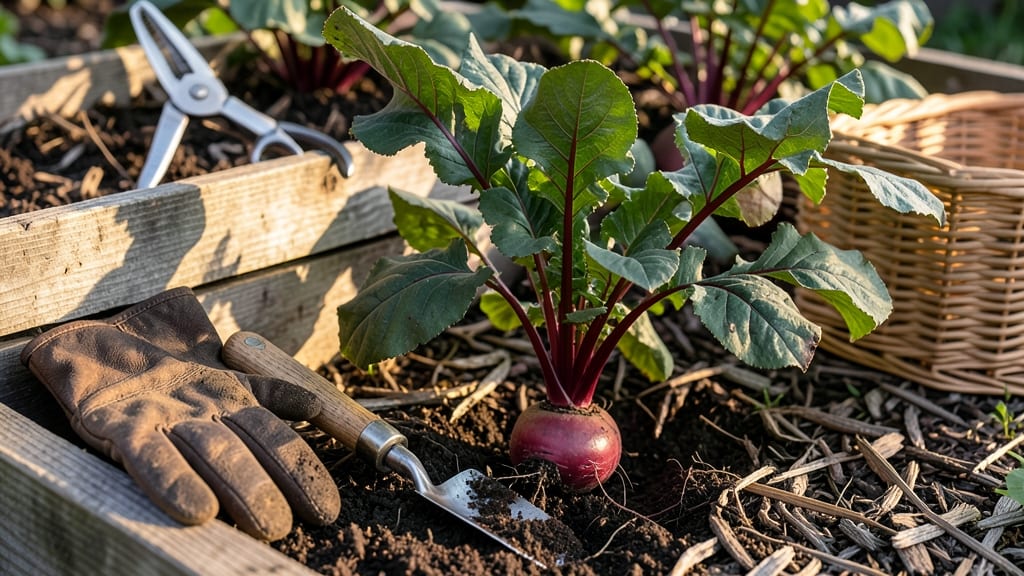
Harvesting beets from your garden at the right time ensures they’re tender, sweet, and packed with flavor 🍠 — but timing is trickier than it looks.
Picture this: you’ve waited weeks for those deep red roots, only to pull them when they’re tough, woody, or way past their prime. That’s the difference between a crisp, perfect beet and one that’s barely edible.
The good news? With just a few simple visual cues, you can tell exactly when to harvest for that ideal texture and taste.
Most gardeners know beets take about 50 to 70 days to mature, but the real secret lies in their size, color, and how easily they come out of the soil.
A root that’s 1 to 3 inches wide with glossy skin and vibrant greens is your golden ticket to harvest time. Ignore these signs, and you might end up with beets that are either too small or too tough for your favorite recipes.
In this guide, I’ll break down the three key visual cues to harvest beets at their peak, plus how to avoid common mistakes that ruin flavor and texture. Whether you’re growing them for salads, roasting, or pickling, these tips will help you pull the perfect beet every time.
3 Visual cues to harvest beets at peak crispness and sweetness
Timing your beet harvest correctly means the difference between a crisp, sweet root and a woody, tough mess. Many gardeners wait too long, letting beets develop that unappealing fibrous texture.
But with these three key visual cues, you’ll know exactly when to pull them for peak flavor and texture. The secret lies in checking the root size, leaf health, and soil conditions—all before the beet’s natural sugars turn to starch.
I’ve learned from experience that ignoring these signs can lead to disappointment. One year, I harvested my beets a week late, and the once-tender roots had turned hard and bitter. Since then, I’ve made it a habit to inspect my beet patch regularly.
The good news? These cues work for both baby beets and full-sized varieties, so you can apply them no matter what type you’re growing.
Here’s the game-changer: if you spot one or more of these three signs, it’s time to grab your gardening gloves and head to the patch.
The sooner you act, the sweeter your harvest will be. Let’s break down each visual cue so you can master the art of beet harvesting.
🌱 3 Visual Cues to Harvest Beets
- 1. Root Diameter: Beets are ready when roots reach 1–3 inches in diameter. For baby beets, aim for 1–2 inches—smaller than a baseball but larger than a golf ball. Larger varieties can grow up to 3 inches before they start to toughen.
- 2. Leaf Health: Healthy beet greens should be 4–6 inches tall, deep green, and vibrant. If leaves are yellowing, wilting, or sparse, the beet may be stressed or overripe. Also, check for bolting (flower stalks)—this means it’s past its prime.
- 3. Soil and Skin: Gently tug on the beet tops—if the root pulls easily from the soil, it’s ready. The skin should feel smooth and firm, not rough or woody. If the soil is dry and cracked, water the patch first to make harvesting easier.
Pro tip: Morning harvests are ideal because the soil is moist from overnight watering, making it easier to pull beets cleanly. I’ve also found that harvesting on a cool, cloudy day helps preserve the beet’s crispness longer.
If you’re unsure, grab a handful of beets and taste-test one—if it’s sweet and tender, you’re golden!
Once you’ve identified these cues, act quickly. Beets left in the ground too long will develop a woody core and lose their natural sweetness. The good news? You can harvest beets gradually over a few weeks, so you’re not overwhelmed with a sudden glut.
This also lets you enjoy them at their peak while leaving room for new plantings.
Don’t overlook the color of the beet either. While red beets are iconic, varieties like golden beets or chioggia (striped) should also have a rich, consistent hue. If the color starts to fade or the beet looks shriveled, it’s past its prime.
Pay attention to these subtle clues—they’re your garden’s way of telling you it’s time to harvest.
If you’re growing beet greens separately (a practice I love for continuous harvests), they’re ready when leaves reach 6–8 inches tall. Simply snip the outer leaves, leaving the center to keep growing. This method lets you enjoy fresh greens all season while the roots mature below ground.
One final cue: weather patterns. If a hard frost is forecast within a week, harvest your beets immediately—even if they’re not fully sized. Frost can make them soft and mushy, ruining their texture.
I’ve had to rush harvests before, and while the beets might be smaller, they’re still delicious when cooked properly.
By mastering these three visual cues, you’ll never again miss the perfect moment to harvest beets. The result? A garden full of crisp, sweet roots that taste like summer in every bite. Happy harvesting! 🌱
How to harvest beets without damaging future growth
Pulling beets from the garden requires gentle technique to protect both your harvest and future crops. Use the right tools and timing to avoid breaking roots or disturbing nearby plants.
Baby beets and mature varieties need slightly different approaches, but the goal is always the same: minimize soil disruption while maximizing yield.
Start by harvesting baby beets when they reach 1–2 inches in diameter—this is ideal for tender, sweet roots.
For full-sized beets, wait until they’re 2–3 inches wide but before the greens turn tough. Morning harvests work best when soil is moist but not soggy, making roots easier to pull cleanly.
- 1. Choose the right time: Harvest baby beets at 40–50 days (1–2" diameter) or full-sized at 60–70 days (2–3" diameter).
- 2. Use proper tools: Grab a hand fork or garden trowel to loosen soil around roots before pulling.
- 3. Grip the greens: Hold the leafy tops firmly and twist gently to avoid breaking the root.
- 4. Shake off soil: Rinse roots under cool water to remove dirt without damaging the skin.
- 5. Store properly: Keep beets in a plastic bag in the fridge for up to 2 weeks or cure for long-term storage.
For baby beets, you can harvest every 2–3 weeks to encourage continuous production. Leave some roots in the ground if you want larger beets later—just thin seedlings early to avoid overcrowding. Always harvest on a dry day to prevent soil from sticking to roots.
After harvesting, water the soil lightly to help remaining plants recover. Avoid disturbing roots of nearby beets, and consider mulching to retain moisture. If you’re harvesting in hot weather, do it early in the morning to prevent wilting.
Store harvested beets in a cool, dark place like a root cellar or fridge. Don’t wash them before storage—just brush off dirt. For long-term storage, cure beets by leaving them in the sun for a few hours to toughen the skin before storing.
With these steps, you’ll enjoy crisp, flavorful beets without sacrificing future harvests—just like a seasoned gardener! 🌱