
Picking
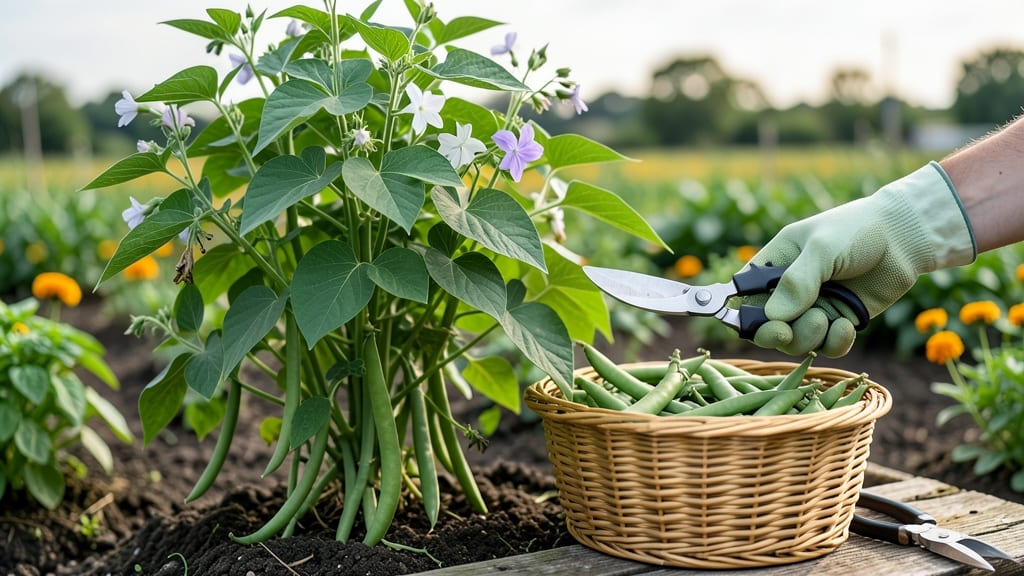
To pick beans from your garden at the perfect moment means capturing their sweetest, crispest flavor before they toughen or shrivel.
Harvesting beans at the wrong time means sacrificing flavor, texture, and even yield—so knowing exactly when to pick them can turn a good harvest into a great one. 🌱
Most gardeners miss the window because they rely on days after planting rather than visual cues. The truth? Bean maturity is all about pod size, color, and a simple snap test—details I’ll break down so you never overlook the ideal moment.
You’ll also learn how weather, variety type, and even the time of day affect ripeness, plus how to store your harvest to keep those beans fresh and delicious for weeks.
3 Visual cues to identify perfectly ripe garden beans
Knowing when to pick beans from your garden transforms a mediocre harvest into a flavorful feast. The key lies in visual cues that reveal optimal maturity—pod size, color, and seed development. These three indicators work together to ensure your beans are crisp, tender, and packed with sweetness.
Ignoring these signs can lead to tough, stringy pods or overripe beans that lose their appeal. Let's break down what to look for so you never miss the perfect moment.
First, pay attention to the pod length as your primary clue. Most green bean varieties reach peak flavor when pods measure between 4 to 6 inches. This size ensures the beans have developed enough sweetness but haven't started to toughen.
Shorter pods (under 3 inches) are still immature, while longer ones may become fibrous. Measuring a few pods daily helps track progress, especially in fast-growing varieties like Blue Lake or Kentucky Wonder.
Next, examine the pod color, which shifts as beans mature. Fresh, ripe green beans should have a vibrant, saturated green hue. Avoid pods that appear dull or yellowish—these are overripe.
Some heirloom varieties, like Romano beans, develop a slight waxy coating when fully ripe, but they should still retain their bright color. Color consistency across multiple pods confirms they're ready for harvest.
Finally, check the seed development inside the pod. At peak ripeness, seeds should be visible but not overly large. If you can see distinct shapes but they’re still small (about the size of a pencil eraser), that’s ideal.
Larger seeds mean the beans have passed their prime and will be starchy rather than sweet. Gently squeezing the pod can also help—if it snaps cleanly when bent, it’s ready to pick.
🌱 Numbered Highlights: When to Pick Beans
- Pod Length: 4-6 inches (measure daily for consistency)
- Pod Color: Vibrant green (avoid yellow or dull pods)
- Seed Size: Visible but small (pencil eraser-sized or smaller)
- Pod Texture: Firm and crisp (snaps easily when bent)
- Harvest Time: Morning hours (cooler temps preserve freshness)
Timing your harvest matters just as much as the visual cues. Always pick beans in the early morning when temperatures are cooler. This preserves their crispness and prevents wilting. Use sharp scissors or pruners to avoid damaging the plant, and harvest every 2-3 days to encourage continuous production.
Regular picking also reduces the risk of pests and diseases, as overripe pods attract insects and fungal growth.
Different bean varieties have slightly varied ripening times, so familiarize yourself with your specific type. For example, bush beans like Blue Lake mature in about 50-55 days, while pole beans like Rattlesnake take closer to 60-65 days.
Tracking your planting date and monitoring growth helps you anticipate the harvest window. Once you recognize these visual cues, you’ll develop an instinct for knowing exactly when to pick.
Overlooking these signs can lead to bitter, tough beans that lack the sweetness gardeners love. For instance, leaving pods on the vine too long causes them to thicken and develop strings, ruining texture. On the flip side, picking too early results in underdeveloped flavors.
Striking the balance between these extremes ensures every bean you harvest is a culinary delight. With practice, you’ll train your eyes to spot perfectly ripe beans effortlessly.
Pro tip: Store freshly picked beans in the refrigerator for up to 5-7 days to maintain freshness. For long-term storage, blanch and freeze them—this locks in flavor and texture for months.
Whether you’re serving them steamed, sautéed, or in salads, understanding these visual cues guarantees a harvest that rivals store-bought quality every time.
Remember, the more consistently you harvest at the right stage, the more your bean plants will produce. This encourages bushier growth and extends the harvest season. So grab your pruners, head to the garden, and start checking those pods—your taste buds will thank you!
How often and when to harvest beans for maximum yield
Timing your bean harvest correctly is the secret to keeping your plants productive all season. Beans thrive when picked at the right frequency and time of day, but many gardeners miss the ideal window.
I’ve learned that harvesting too early means wasted effort, while waiting too long leads to tough, stringy pods and reduced production.
For most varieties, you’ll want to start checking for ripe beans about 50-65 days after planting. But the real magic happens in the details—like picking in the cool morning hours when pods are crispest.
I’ve found that even a 2-hour difference in harvest time can affect flavor and texture, so consistency matters.
✅ Morning Harvesting (Best Practice)
- Crispest pods (less heat-induced wilting)
- Reduces fungal risk (dry dew evaporates)
- Easier to spot ripe beans in natural light
- Requires early starts (before 8 AM)
- Less flexible for busy schedules
❌ Afternoon Harvesting (Use Sparingly)
- Good for hot climates (avoids midday heat stress)
- Flexible for evening gardeners
- Pods may be softer (heat exposure)
- Higher risk of fungal spores spreading
- Harder to judge ripeness in fading light
I recommend harvesting beans every 2-3 days during peak production (June-August). This frequent picking signals your plants to produce more pods instead of letting them go to seed. If you miss the window, beans can turn woody and lose their sweet flavor within 24 hours of reaching full maturity.
Seasonal timing also matters—early in the season, beans mature faster in warm climates (like Zone 8+), while cooler areas may need to wait until July. I’ve noticed that pole beans often ripen slightly later than bush varieties, so adjust your schedule accordingly.
Always check pods for firmness and seed visibility—these are your best indicators.
One pro tip I’ve picked up: Harvest the youngest pods first to keep the plant balanced. This prevents overloading any single branch and ensures a steady supply.
And if you’re growing dry beans (like pinto or black beans), wait until pods turn brown and seeds are fully developed—this can take 90-120 days after planting.
Finally, store harvested beans in the fridge for up to 5 days or freeze them for longer storage. Proper timing in the garden means better flavor in your kitchen—and fewer trips to the store! 🌱