
Picking
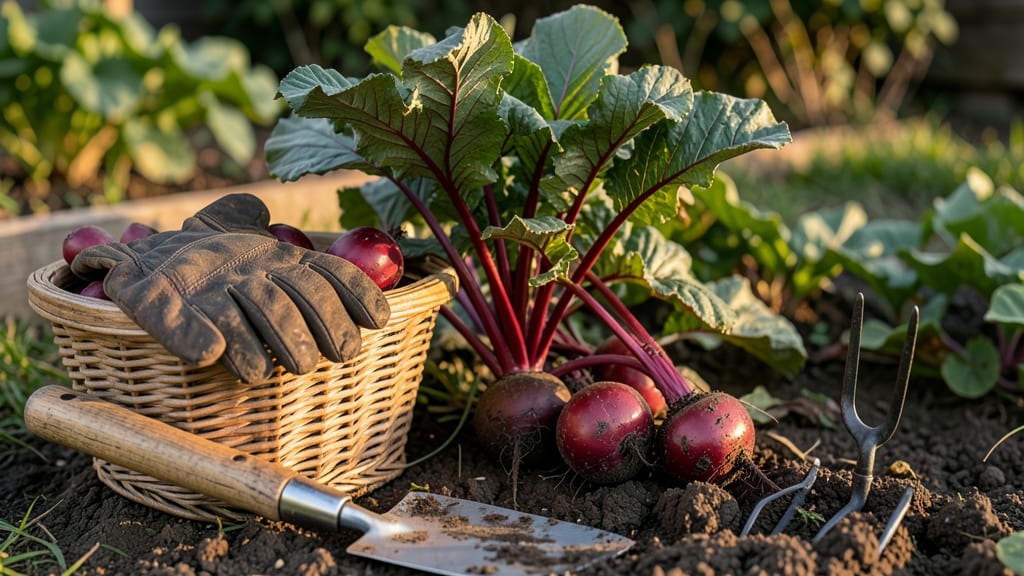
To pick beetroot from the garden at the perfect moment means enjoying sweet, tender roots instead of tough, bitter ones—so timing is everything.
Harvesting too early leaves you with undersized 🍠, while waiting too long turns them woody and tough. The key? A simple finger-press test combined with size and color cues that tell you exactly when to pull them.
Whether you're in USDA Zone 6a or another climate, soil conditions and seasonal shifts play a big role. Too much heat or dryness can speed up maturity, while cool, moist soil slows it down—so knowing your garden’s signals is half the battle.
Below, I’ll walk you through the foolproof method for checking readiness, how to adjust for your local weather, and even how to store your harvest to keep those roots sweet for weeks.
How to determine beetroot harvest time using the finger-press test
Knowing when to harvest beetroot can transform your garden from a source of tough, fibrous roots to a treasure trove of sweet, tender bites. The finger-press test is my go-to method for pinpointing the perfect moment—when beetroots are at their peak flavor and texture.
This simple technique combines visual cues with a tactile check to ensure you never miss the window of optimal ripeness.
Beetroots typically reach harvest readiness between 50 and 75 days after sowing, but relying solely on days-to-maturity can lead to mistakes. Instead, focus on three key indicators: size, color, and texture.
The finger-press test zeroes in on that last factor, giving you a foolproof way to assess readiness without guesswork. Let’s break it down step by step.
Gently brush away the soil around the beetroot to expose the root. Aim for a diameter of 2 to 3 inches. Roots smaller than 1 inch are still immature, while those larger than 3 inches may become woody.
Healthy beet greens should be vibrant and deep green. Yellowing or wilting leaves signal stress, while overly lush greens may mean the root is still growing. Trim leaves to 2 inches above the root to redirect energy to the bulb.
Press your thumb firmly into the beetroot’s skin. If it resists slightly but doesn’t dent deeply, it’s ready to harvest. A deep indentation means it’s underripe, while a soft, yielding skin indicates over-maturity and potential woodiness.
The beetroot should have a deep, uniform color throughout. Stripes or pale spots suggest uneven growth. For varieties like Chioggia, the marbling should be clearly visible but not washed out.
Pick beetroots on a cool morning after dew has evaporated but before the sun intensifies. This minimizes stress on the plant and ensures the best flavor and texture.
One common mistake is waiting too long, assuming bigger roots are better. But beetroots left in the ground past their prime can become hard and woody, ruining their sweetness.
Conversely, harvesting too early results in small, underdeveloped roots that lack flavor. The finger-press test bridges this gap by giving you a tangible way to judge ripeness.
Pro tip: If you’re growing multiple varieties, like Detroit Dark Red or Golden Beets, the finger-press test works universally. However, some heirloom varieties may have slightly different texture cues, so always cross-reference with size and color.
For example, Golden Beets often have a slightly softer skin at peak ripeness compared to deep red varieties.
After harvesting, store beetroots in a cool, dark place with high humidity, like a root cellar or refrigerator crisper drawer. They’ll keep for up to a month, but for the best flavor, use them within a week.
If you notice any roots developing sprouts or soft spots during storage, it’s a sign they’ve passed their prime and should be cooked or preserved immediately.
Don’t let the fear of over-maturity hold you back—confidence in the finger-press test will have you harvesting beetroots at their sweetest, most tender stage every time. With practice, you’ll develop an instinct for when to pull them from the soil, ensuring your garden delivers the best flavors all season long.
Once you master this technique, you’ll wonder how you ever guessed when to harvest beetroots before! The key is patience and attention to detail, but the reward is unbeatable: homegrown beetroots that rival anything you’ve ever tasted.
Soil conditions that signal it's time to harvest beetroot
Your beetroot's soil isn't just dirt—it's a living indicator of when to harvest. When the topsoil feels slightly dry to the touch but still holds moisture, your beetroot is often at peak ripeness.
This ideal moisture balance ensures tender roots without the risk of woody texture. Pay attention to how quickly the soil dries after watering; beetroot thrives in consistently moist but not soggy conditions.
Temperature also plays a crucial role. In warmer climates (Zones 8-10), beetroot matures faster—often ready by early summer—while cooler zones (4-7) may need to wait until late summer or early fall. The soil temperature should be between 60-75°F for optimal growth, with roots ripening more quickly in the heat.
If your region experiences hot summer spells, harvest sooner to avoid stress on the plants.
| Condition | Optimal Specification | Harvest Signal |
|---|---|---|
| Soil Moisture | Slightly dry topsoil | Roots firm to touch |
| Temperature | 60-75°F soil temp | Faster ripening |
| Daylight Hours | 12-14 hours | Peak sweetness |
| Climate Zone | 4-10 (adjust timing) | Harvest window shifts |
Daylight hours also influence harvest timing. Beetroot grows fastest during longer daylight periods (12-14 hours), which typically occur in late spring to early fall. If you're in a region with shorter summer days, like the Pacific Northwest, your beetroot may take longer to mature.
Monitor the foliage growth rate—when leaves slow down but roots feel firm, it’s time to harvest.
Adjust your schedule based on your local frost dates. In USDA Zones 4-6, aim to harvest before the first frost, while Zones 7-10 can extend harvesting into fall.
If frost threatens, harvest immediately, even if roots aren’t perfect size—smaller beetroot is better than none! Mulch heavily in fall to protect soil moisture and extend the harvest window.
One final trick: Check the soil at dusk when temperatures drop. If the top inch feels cool but the lower soil remains warm, your beetroot is likely nearing harvest.
This temperature gradient signals the plant is shifting energy from leaves to roots—a classic sign of ripeness. Pair this with the finger-press test for foolproof results.
Don’t ignore the color cues either. Deep, vibrant hues (like rich red or golden yellow) mean your beetroot is ready. Pale or uneven coloring? Wait a few days. By tuning into these soil signals, you’ll harvest beetroot at its sweetest—every time. 🌱