Picking
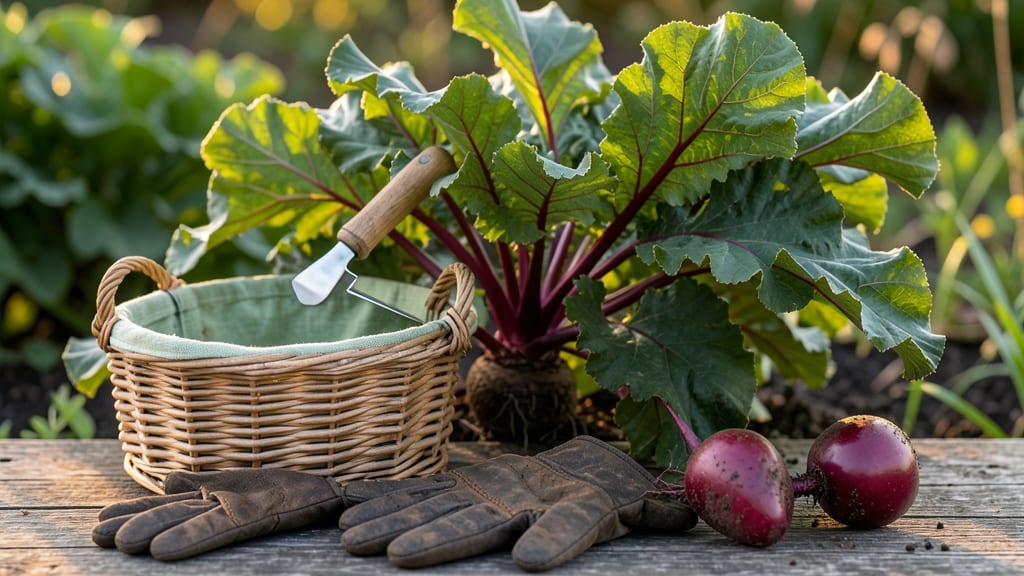
Picking beets from your garden at the right time ensures sweet, tender roots 🥕—but timing is everything, and most gardeners miss the window.
Harvesting too early means small, watery beets, while waiting too long turns them tough and woody. The key? Watch for three simple visual cues that tell you when these earthy roots are ready to pull.
From leaf size to root diameter, I’ll show you exactly what to look for—plus how to adjust for your climate and variety. No guesswork, just foolproof harvesting.
By the end, you’ll know the perfect moment to harvest beets for peak flavor, whether you’re growing baby beets or full-sized heirlooms in Zone 6a.
3 Visual cues to harvest beets at perfect sweetness
Harvesting beets at the wrong time can turn your sweet, tender roots into tough, woody messes. I’ve learned the hard way—overripe beets taste bitter and lose their vibrant color. But don’t worry! With these 3 visual cues, you’ll know exactly when to pull them for peak sweetness and texture.
The key lies in observing leaf color, root size, and soil resistance—each one gives you a clear signal it’s time to harvest.
First, let’s talk about the foliage. Healthy beet greens should be deep green and vibrant, not yellowing or wilted. If the leaves start to turn yellow or bolt (send up flower stalks), your beets are past their prime.
I always check the leaf size too—when they’re about 4-6 inches tall, that’s your first green light. The greens act like a barometer for the root’s readiness below ground.
Now, let’s dig into the root size. Most gardeners aim for beets that are 1-3 inches in diameter. Baby beets (like ‘Babybeat’ or ‘Little Ball’) can be harvested as small as ½ inch, but standard varieties need that extra time to develop sweetness.
I use a ruler to check—if the root feels firm and reaches about the size of a golf ball, it’s likely ready. Overlooking this step often leads to beets that are either too small or woody.
Here’s where it gets interesting: the soil test. Gently squeeze the soil around the beet root—if it resists slightly (like pressing your thumb into a ripe avocado), the beet is ready. If the soil feels too loose or the beet slides out easily, it’s not fully developed.
This tactile cue is my favorite because it combines both root firmness and soil moisture into one quick check. Pro tip: Do this on a dry day when the soil isn’t overly wet.
-
1. Leaf Color & Size
Deep green leaves (4-6" tall) signal readiness. Yellowing or bolting means it’s too late! -
2. Root Diameter
Aim for 1-3 inches (golf ball size). Smaller = baby beets; larger = woody texture. -
3. Soil Resistance Test
Gently squeeze soil—if it resists slightly, the beet is ready. Too loose? Wait a few days.
Don’t ignore the color of the beet itself—this is your final check. Deep red, gold, or purple hues (depending on your variety) mean the beet is fully mature. If the color is pale or streaky, it’s not ready.
I once grew ‘Golden Beets’ that turned a dull yellow because I harvested too early. The lesson? Trust your eyes—color is nature’s way of telling you it’s time!
Timing matters too. For spring-planted beets, aim to harvest between 50-70 days after sowing, depending on the variety. Late summer plantings should be ready by early fall. I always mark my planting dates on a calendar so I don’t miss the window.
And remember: Baby beets (like ‘Detroit Dark Red’) can be harvested earlier—sometimes in as little as 30-40 days—while larger heirlooms need the full 60-70 days.
One mistake I see often is waiting until the beet greens yellow or bolt. By then, the root has started to develop a tough, fibrous texture. The greens are your early warning system—if they’re thriving, the root is too.
Another red flag? Cracks in the soil around the beet, which can mean the root has outgrown its space. If you see this, harvest immediately before the beet splits or becomes misshapen.
After you’ve confirmed all three cues, it’s time to harvest! Use a fork to gently loosen the soil around the beet, then grasp the greens and pull upward. Avoid cutting the greens too close to the root—leave about 1 inch of stem to prevent bleeding.
I always harvest on a dry day to make cleanup easier and to avoid muddying the roots. Once pulled, brush off excess soil and store in the fridge for up to 2 weeks for maximum freshness.
Now that you know these visual cues, you’ll never guess wrong again. The next time you’re in your garden, take a moment to check the leaves, roots, and soil—your beets will thank you with sweet, tender perfection. Happy harvesting! 🥕
How long until beets reach harvest readiness (by variety)
Knowing when to pick beets depends entirely on the variety you're growing. Baby beets like 'Babybeat' mature in just 30-40 days, while heirloom varieties such as 'Chioggia' can take up to 70 days.
Golden beets like 'Golden' often reach harvest readiness around 50-60 days. These timelines assume ideal conditions, but your local climate and soil can shift harvest windows by weeks.
In cooler climates like USDA Zone 6a, beets planted in early spring (March-April) typically reach harvest by late June to early July. For late summer plantings (July-August), expect harvests in October-November before the first frost.
If you're growing in warmer zones, your harvest window may extend into winter months.
Soil conditions play a critical role too. Well-draining, loamy soil speeds up growth, while clay-heavy or waterlogged soil can delay maturity by 10-15 days. Amend your soil with compost or aged manure 2-3 weeks before planting to create optimal conditions for faster growth.
Adjust your harvest expectations based on soil temperature. Beets grow best when soil stays between 50-75°F. If your spring is unusually cold, extend your timeline by 1-2 weeks. Conversely, in hot climates, beets may mature faster but can develop a woody texture if left too long.
For continuous harvests, consider planting succession crops every 2-3 weeks. This ensures a steady supply of fresh beets throughout the growing season. Always check for harvest readiness by gently squeezing the root—if it resists pressure, it's ready to pull.
Pro tip: Thin seedlings to 3-4 inches apart when they're 2 inches tall. This reduces competition and speeds up growth, helping you reach harvest 5-7 days sooner than crowded plants.