
Picking
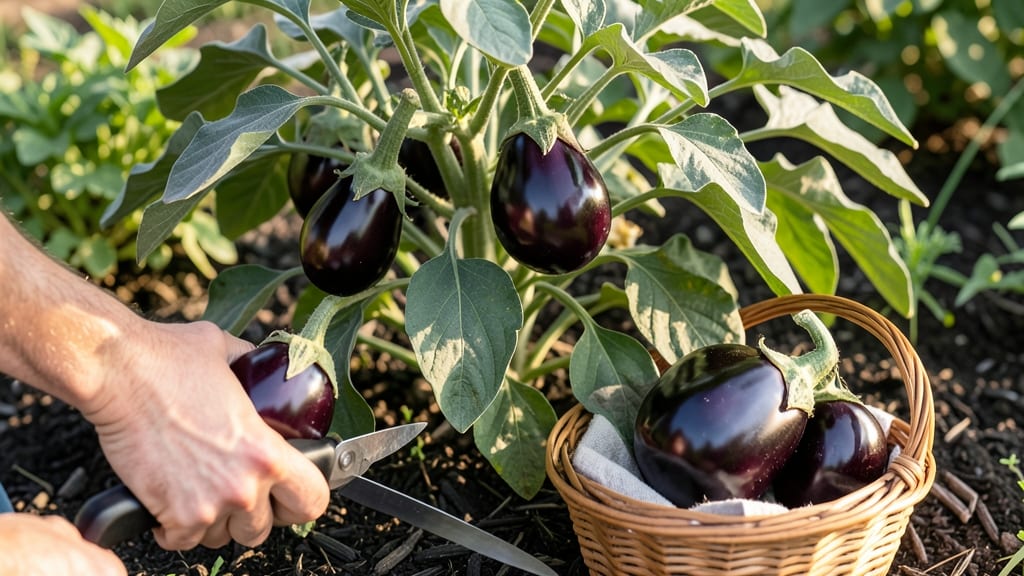
Picking eggplant in the garden at the right time means the difference between tender, flavorful fruit and tough, seedy disappointment—and it all comes down to color, size, and a little texture test.
Picture this: you’ve nurtured your 🍆 plants all season, and now the fruit is swelling, but how do you know exactly when to snip? Miss the window, and you’re left with bitter flesh or wasted effort. Get it right, and you’ll harvest glossy, firm eggplants packed with flavor.
Most gardeners focus on color, but the real key is a mix of visual cues and a simple firmness check. A deep purple or glossy skin is a start, but the stem should twist off cleanly, and the fruit should feel heavy for its size.
Ignore these signs, and you might end up with overripe squash or underripe pucker.
Below, I’ll walk you through the exact steps to spot perfect ripeness, adjust for your climate, and even troubleshoot common mistakes—so you never second-guess your harvest again.
How to identify perfect eggplant ripeness by color and size
Eggplants are finicky about timing—pick too early, and you’ll get bitter, seedy fruit. Harvest too late, and the flesh turns spongy and bland. The secret lies in color shifts and size benchmarks that signal peak ripeness, not just a random purple hue.
I’ve learned the hard way that ignoring these cues leads to wasted effort (and sad compost trips).
Most gardeners focus on color changes as the primary indicator, but size and texture play equally important roles. For example, a 6-inch eggplant with deep purple skin might still be firm and delicious, while an 8-inch one with the same color could be overripe.
The key is understanding how these factors work together across different varieties.
Here’s what I check first: a glossy, vibrant skin (not dull or streaky) combined with a full-size fruit that feels heavy for its shape. These visual cues, paired with a gentle stem test, ensure you harvest at the perfect moment—before pests or weather ruin your crop.
Let’s break down the specifics.
Most eggplant varieties turn a deep, uniform purple when ready, but don’t let color fool you—some heirloom types (like 'Rosa Bianca') keep green shoulders even when ripe. I once picked a fully purple eggplant that was still tough because I ignored its size (only 3 inches long).
Always cross-reference color with the other cues in the table above.
Size matters more than you’d think. A standard eggplant should reach 6–8 inches in length, while Asian varieties like 'Ichiban' stay small (3–4 inches) but develop a glossy sheen.
Pro tip: Measure against your hand—if it fits your palm, it’s likely ready. Smaller fruits often lack flavor development.
Green shoulders aren’t always a red flag. Many heirloom varieties retain green where the stem meets the fruit, even when fully ripe. For example, 'Black Beauty' might show green near the calyx, but its glossy purple and firm texture confirm ripeness.
When in doubt, check the stem separation—if it twists off easily, it’s ready.
Don’t overlook surface gloss. A ripe eggplant has a slightly shiny skin, almost like it’s been lightly oiled. Dull or streaky skin? That’s a sign it’s overripe or stressed.
I learned this the hard way after letting a batch sit too long—by the time I noticed the dullness, the flesh was watery and bland.
Temperature affects ripening speed. In hot climates (like Zone 9+), eggplants mature faster and may need harvesting in as little as 60 days. In cooler zones (like Zone 7), they take 80–100 days to ripen.
Always adjust your expectations based on your local growing conditions—my Zone 6 garden needs extra patience!
One final
The texture and stem test: why color alone isn’t enough
Color is your first clue, but eggplant ripeness depends on more than just purple skin. Many gardeners pick too late, ending up with overripe, seedy fruit that’s tough and bitter.
Others harvest too early, missing the peak flavor window. The real secret? A two-step texture and stem test that works for every variety—even heirlooms with unusual coloring.
Start by gently pressing the eggplant skin with your thumb. A ripe fruit should feel firm yet slightly yielding, like a ripe avocado. If it’s rock-hard, it’s underripe; if it’s soft or squishy, you’ve waited too long.
This test is especially critical for heirloom varieties that may stay green or striped even when fully mature.
Next, check the stem separation—the most reliable ripeness indicator. Gently twist the fruit at its stem. If it snaps cleanly with just a slight tug, it’s ready. If the stem resists or tears, wait a few days.
This method works for Asian eggplants, Italian globes, and even white or green varieties where color isn’t a reliable guide.
⚠️ WARNING: Common Mistakes That Waste Your Harvest⚠️ Ignoring Variety Traits: Heirloom eggplants like 'Rosa Bianca' or 'Ichiban' may stay green or white even when ripe. Always use the texture and stem test over color for these types. Asian varieties (e.g., 'Fairy Tale') are best picked smaller and firmer than standard eggplants.
⚠️ Harvesting in Extreme Heat: Temperatures above 90°F can make eggplants overripe faster. Check fruits every 2-3 days during heatwaves, even if they look fully colored. Morning harvests prevent sunscald on exposed skin.
For container-grown eggplants, the texture test is even more critical since roots can’t absorb enough water in small pots. If the soil feels dry, the fruit may shrink or develop hollow centers.
Always water deeply the day before testing for accurate firmness readings. Pro tip: Use a moisture meter to avoid guesswork.
Don’t dismiss green shoulders on purple eggplants—this is normal and doesn’t mean the fruit is unripe. The key is the color intensity on the majority of the skin. For white or striped varieties, focus on the matte-to-glossy shift in the skin’s finish.
Once the skin has a slight sheen, combine this with the stem test for confirmation.
Once you master these tests, you’ll never miss the sweet spot for eggplant flavor. The best fruits have thin, tender skins and few seeds—a reward for your patience.
Store harvested eggplants at room temperature for up to a week, or refrigerate for longer storage. Now grab those pruners and put your new skills to the test! 🍆