Picking
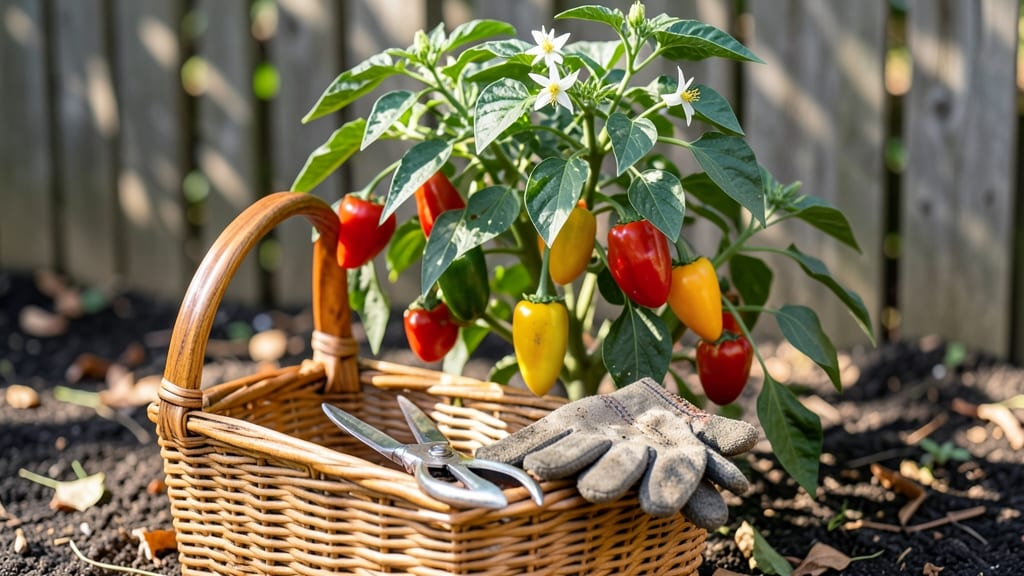
Picking garden salsa peppers at the right time ensures bold flavor and maximum heat—wait too long, and you risk losing both.
Most gardeners assume color alone determines ripeness, but texture, size, and even the time of day matter just as much. A pepper that looks ready might still need a week on the vine to develop its full fiery potential, while one left too long turns mealy and bitter.
In this guide, I’ll break down the exact ripeness cues—from deep green to vibrant red—and when to harvest based on your climate, so you never miss the perfect moment.
You’ll also learn how to test firmness, spot overripe peppers, and store your harvest for the longest shelf life, ensuring every bite packs the punch you grew them for.
Color-coded ripeness guide: when to harvest salsa peppers for maximum heat
If you're growing salsa peppers for that perfect fiery kick in your homemade salsa, timing your harvest is everything. The color of your peppers isn't just about aesthetics—it directly impacts heat levels, flavor, and even the texture of your final dish.
Green peppers might be mild and crunchy, while fully ripe red, orange, or yellow varieties pack serious heat and sweetness. Let's break down the color-coded ripeness stages so you can harvest at peak performance.
Most gardeners make the mistake of waiting for peppers to turn red before picking, but some salsa peppers like jalapeños or serranos are best harvested green for maximum heat. Others, like habaneros or cayennes, develop their signature heat and flavor only when fully ripe.
Understanding these color cues ensures you're harvesting at the right moment for your specific recipe needs.
Here's a quick reference for the most common salsa pepper colors and their corresponding ripeness stages:
| Color | Ripeness Stage | Heat Level | Ideal Harvest Time | Flavor Profile |
|---|---|---|---|---|
| Green | Immature | Highest (especially in varieties like jalapeños) | 60-75 days after transplanting | Grassy, sharp, crisp texture |
| Light Green | Early Mature | Moderate to high | 70-80 days after transplanting | Balanced heat, slightly sweeter |
| Red | Fully Ripe | Lower (sweeter, fruitier) | 85-90 days after transplanting | Sweet, fruity, mild heat |
| Yellow/Orange | Fully Ripe (varies by variety) | Moderate to high (depends on type) | 80-90 days after transplanting | Complex, citrusy, balanced heat |
For jalapeños and serranos, harvesting at the green stage gives you the most intense heat, which is perfect for classic salsas. However, if you're growing habaneros or cayennes, waiting for them to turn red, orange, or yellow will unlock their full flavor complexity and heat potential.
Always check the specific variety you're growing, as some peppers like cherry peppers can be harvested at multiple stages.
The size of your peppers also plays a role in determining ripeness. A fully ripe jalapeño should be about 3-4 inches long and feel firm but heavy for its size. If it's too small or lightweight, it's not ready yet.
Pay attention to the stem too—when you gently twist the pepper, it should snap cleanly from the plant, indicating it's at peak ripeness.
Don't forget that environmental factors like temperature and sunlight can affect ripening. In hotter climates, peppers may ripen faster, while cooler temperatures can slow the process.
If you're in a region with short growing seasons, harvesting at the green stage might be your best bet to ensure you get any peppers at all. Always monitor your plants closely and adjust your harvest timing based on local conditions.
Once you've identified the perfect ripeness stage for your salsa peppers, act quickly! Overripe peppers can become soft and mealy, losing both flavor and heat. Use a clean pair of pruning shears or simply twist the pepper off the stem to avoid damaging the plant.
Store your freshly harvested peppers in a cool, dark place for up to a week, or freeze them for long-term storage to preserve their heat and flavor.
Pro tip: If you're unsure whether a pepper is ready, do a quick taste test on one pepper. This will give you instant feedback on the heat level and flavor, helping you decide if the rest are ready for harvest.
Just be sure to wash your hands thoroughly afterward—those salsa peppers pack a punch!
By mastering these color-coded ripeness cues, you'll always know exactly when to harvest your salsa peppers for maximum heat and flavor. Whether you're making a classic pico de gallo or a spicy habanero salsa, timing is key to unlocking the full potential of your homegrown peppers. Happy harvesting!
How to test pepper ripeness beyond color: the 5-Step touch-and-taste method
Color isn’t the only way to judge when your garden salsa peppers are ready for harvest. While deep green or red hues give clues, true ripeness hides in texture, weight, and even flavor.
I’ve learned the hard way that relying solely on color can lead to underripe peppers with weak heat or overripe ones that turn mealy. Here’s my foolproof 5-step method to test ripeness beyond what you see.
The key to perfect salsa peppers lies in combining visual cues with hands-on tests. You’ll need just your fingers, a little patience, and a willingness to taste-test (yes, really!). This method works for green, red, or yellow varieties, ensuring you harvest at peak flavor and heat.
Let’s break it down step by step, starting with the simplest test that reveals more than you’d expect.
🌶️ Numbered Highlights: The 5-Step Touch-and-Taste Test
- 1. Size Check: Peppers should be 3-4 inches long. Smaller ones lack flavor and heat.
- 2. Squeeze Test: Gently press the pepper. It should feel firm but slightly yielding, like a ripe avocado.
- 3. Weight Test: Hold the pepper in your palm. A ripe pepper feels heavy for its size due to developed seeds and flesh.
- 4. Stem Twist: Gently twist the pepper at the stem. It should separate cleanly without tearing the fruit.
- 5. Taste Test: Cut open a pepper and sample the flesh. Sweetness and heat should be balanced, not bitter or bland.
The size check is your first line of defense. Peppers under 3 inches are usually too young, while those over 5 inches may be past their prime. I’ve found that jalapeño and serrano varieties often hit the sweet spot at exactly 4 inches.
Pay attention to how the pepper’s shape changes—ripe peppers tend to plump up and develop a slight curve at the base.
Next, the squeeze test reveals what’s happening inside the pepper. A perfectly ripe pepper should give just a little under gentle pressure, like pressing your thumb into a ripe tomato. If it feels rock-hard, it’s underripe; if it’s mushy, it’s overripe.
Pro tip: Test peppers in the morning when they’re firmer and cooler. I always harvest mine between 8 and 10 AM for the best texture results.
Don’t overlook the weight test, which tells you about internal development. A ripe pepper feels surprisingly heavy for its size because the seeds and flesh have fully matured. I like to compare peppers side by side—hold two in each hand and notice the difference.
The heavier one is almost always the riper choice. This test works especially well for bell pepper varieties used in salsa, where flesh density matters for texture.
The stem twist might seem simple, but it’s one of the most reliable indicators. When a pepper is ready, the stem will separate cleanly from the plant with just a gentle twist. If you feel resistance or hear a tearing sound, the pepper isn’t quite ready.
I’ve learned this the hard way—trying to pull an underripe pepper often damages both the fruit and the plant. Always twist, never pull!
Finally, the taste test is where you get the most accurate feedback. Cut open a pepper and sample the flesh near the stem. You’re looking for a balance of sweetness and heat—not a sharp bite or a bland aftertaste.
For salsa peppers, the heat should be noticeable but not overwhelming. If the pepper tastes seedy or bitter, it’s past its prime. This step might seem obvious, but it’s the only way to truly know if your peppers are ready for the salsa pot.