
Picking
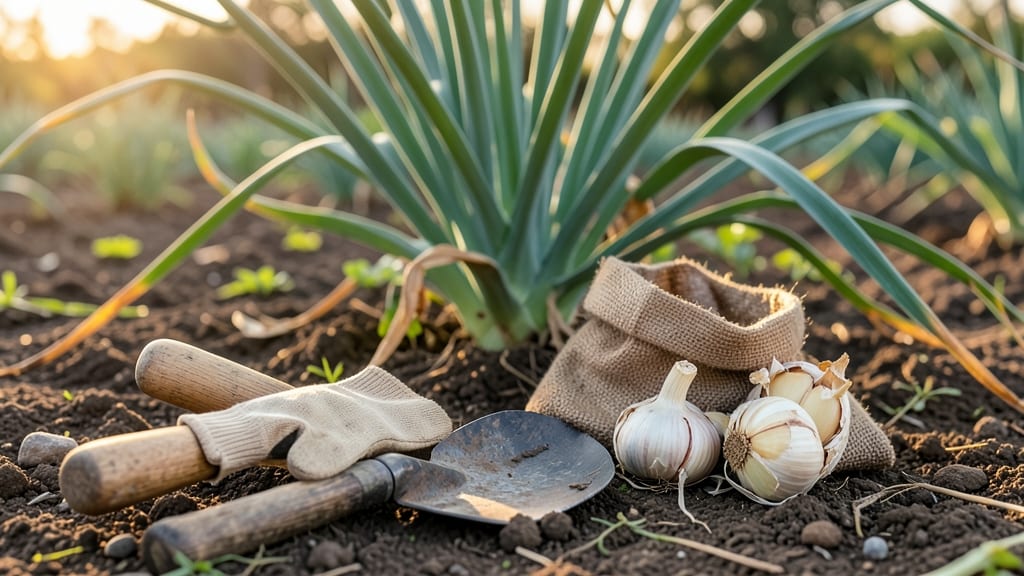
Picking garlic from your garden at the right time ensures plump, flavorful bulbs that store beautifully for months—so don’t miss the window.
Harvesting too early gives you tiny, underdeveloped cloves, while waiting too long risks splitting bulbs or attracting pests. The key? Watch for three unmistakable signs—like lower leaves turning brown and crispy—that signal it’s time to dig.
In Zone 6a, that usually lands in mid-to-late summer, but regional weather and variety can shift the timeline. Below, I’ll walk you through the exact cues to look for, plus how to cure and store your harvest for maximum shelf life.
Whether you’re a first-time grower or a seasoned gardener, these tips will help you bend the stems—not the rules—of garlic harvesting for a bountiful yield.
3 Key signs garlic is ready for harvest (bend the stem, not the rules)
Knowing when to pick garlic from your garden is like nailing a home run—get it right, and you’ll enjoy plump, flavorful bulbs all year.
The three key signs of readiness are easy to spot once you know what to look for, and the bend test is my favorite trick for beginners.
Unlike many crops, garlic doesn’t give obvious color changes like tomatoes, so you’ll rely on leaf condition, stem flexibility, and bulb firmness to decide the perfect moment.
Garlic planted in fall typically matures in late June to early July, but timing varies by climate. In cooler regions, harvest may stretch into August, while warmer zones might see garlic ready as early as June.
The key is to watch for these visual and tactile cues rather than relying on a calendar. Ignoring these signs can lead to small, pithy bulbs or even rot if left too long in the ground.
🌱 3 Signs Your Garlic Is Ready to Harvest
-
1. Lower Leaves Turn Brown and Crispy
The bottom 6-8 leaves should dry out completely, while the top 2-3 leaves remain green. This means the bulb is fully developed but still protected. -
2. The Stem Bends (Not Breaks) Easily
Gently grasp the main stem near the bulb—it should bend at a 45-degree angle without snapping. If it snaps, wait 1-2 weeks; if it resists, harvest sooner. -
3. Bulbs Feel Firm and Round
Dig up a test bulb—it should be plump, solid, and wrapped in papery skin. If it’s small or still covered in green skin, give it more time.
Pro Tip: Use a garden fork to loosen soil before pulling—this prevents bulb damage.
Let’s talk about that bend test—it’s the secret weapon of experienced gardeners. When you gently bend the stem near the bulb, you’re checking the maturity of the neck, where the bulb attaches to the stem.
A mature garlic bulb has a flexible but sturdy neck—it won’t snap like a green stem or feel mushy like an overripe one. Think of it like testing a ripe avocado: just enough give to know it’s ready.
Another tactile clue is the bulb’s firmness. When you dig up a test bulb, press a clove gently—it should feel solid and heavy for its size. If it’s light or spongy, it’s not ready.
Overripe garlic bulbs can split or rot in storage, so timing is everything. I’ve learned the hard way: harvesting too late ruins months of hard work in minutes.
Don’t overlook the paper skin forming around the cloves—this is your final green light. As garlic matures, the outer layers dry out and develop a parchment-like texture. This skin protects the cloves during curing and storage, preventing mold and spoilage.
If you see this, your garlic is prime for harvest, even if the tops are still green.
Regional differences matter too. In warmer climates like Zone 8-10, garlic may mature earlier, while cooler zones (4-6) might see harvests delayed until July. Pay attention to your local frost dates—garlic can handle light frosts but won’t survive a hard freeze after harvest.
If frost is forecast, harvest 2-3 weeks early and cure indoors.
Here’s a common mistake I see: gardeners waiting until all leaves turn brown. While this can work, it often means the bulbs are overripe. The top 2-3 green leaves are crucial—they photosynthesize and feed the bulb until harvest.
Once they start browning, it’s time to act. Pro tip: Harvest on a dry, sunny day to speed up curing.
If you’re still unsure, dig up one bulb as a test. Cut it open to check for fully formed, plump cloves. If they’re small or still wrapped in green skin, wait another week.
This simple step saves hours of curing frustration later. Trust me, your future self will thank you.
Remember, garlic is perennial in warm climates, but most home gardeners treat it as an annual crop. The harvest window is short, so stay vigilant. Once you master these three signs, you’ll never second-guess garlic harvest time again—just bend that stem and reap the rewards! 🌱
What happens if you pick garlic too early or too late?
Harvesting garlic at the wrong time can turn your hard work into disappointment. If you pick too early, you’ll end up with small, underdeveloped bulbs that lack flavor and storage potential. The cloves may even split or rot prematurely, making them unusable.
On the flip side, leaving garlic in the ground too long risks overripe bulbs that sprout or develop soft, mushy cloves—turning your harvest into a soggy mess.
Timing matters because garlic bulbs need 10-12 months to mature fully. Rushing the process means missing out on the full flavor development and size potential.
Meanwhile, waiting too long can lead to bolting (flowering), where the plant diverts energy to seeds instead of bulbs, leaving you with tiny, useless harvests.
Early Harvest Risks vs. Late Harvest Risks
- Small bulbs (under 1 inch)
- Poor flavor (mild, watery taste)
- Short storage life (3-6 months max)
- Split cloves (easy to bruise)
- Overripe bulbs (soft, mushy)
- Sprouting cloves (green shoots)
- Rot risk (from excess moisture)
- Bolting (wasted energy on flowers)
If you accidentally harvest too early, don’t toss those tiny bulbs! Use them immediately in cooking while they’re still fresh, or braid and cure them for short-term storage. Their flavor won’t be as intense, but they’re still edible.
For overripe garlic, you can peel and freeze the cloves whole or chop them for immediate use in soups and sauces before they spoil.
To avoid these mistakes, always check for the bend test: grasp the stem near the bulb and gently bend it. If it snaps cleanly, your garlic is ready.
If it bends without breaking, wait a few more days. This simple trick saves you from wasted harvests and ensures you get the best bulbs possible.
Regional climate plays a role too. In warmer zones (USDA 8-10), garlic may mature faster and need harvesting earlier in summer. In cooler zones (USDA 3-6), the harvest window often extends into early fall. Adjust your timing based on your local frost dates and growing conditions.
Remember: Patience is key with garlic. Rushing the harvest means missing out on the full potential of your crop. Keep an eye on those leaves, and when they’re ready, pull them gently by the stems—not the roots—to preserve bulb integrity.
A little attention to detail now means months of flavorful garlic later.