
Picking
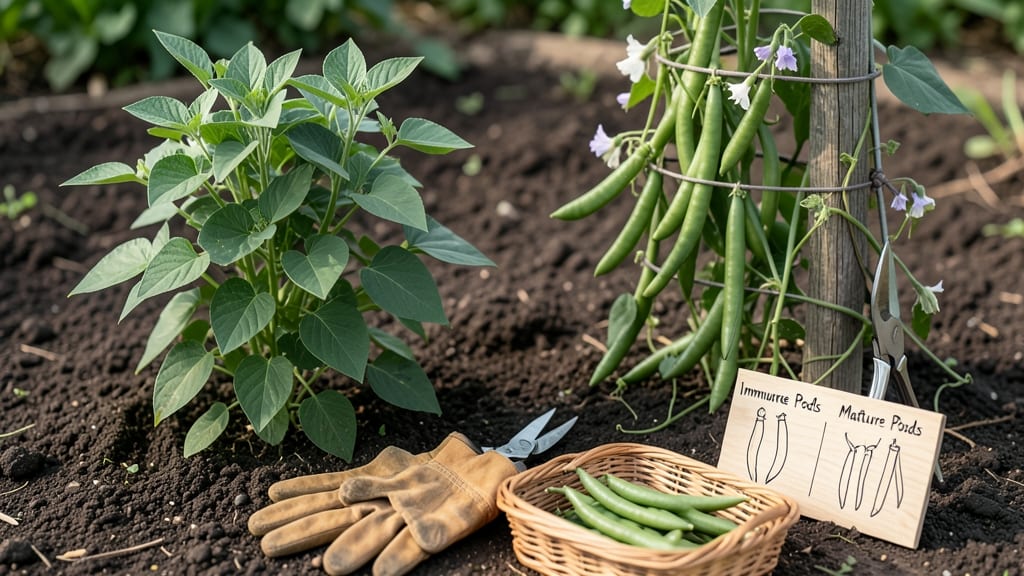
To pick green beans from your garden at the perfect time, watch for pods that are 4-6 inches long with a deep, even green color and a crisp snap when bent.
Picking green beans at the wrong time can turn your harvest from crisp, flavorful perfection into tough, stringy disappointment—here’s exactly when (and how) to pluck them for the best taste.
Most gardeners miss the window because they focus only on size, but the texture and color are just as critical. Overripe beans turn yellow, and underripe ones stay pale and woody.
Below, I’ll break down the exact cues to look for, how often to harvest for maximum yield, and what to do if you’ve already missed the best window.


How to determine green bean ripeness by pod size and color
Timing your green bean harvest is everything—pick too early, and you’ll miss out on flavor; too late, and you’ll end up with tough, stringy pods. The key lies in understanding pod size, color cues, and texture at their peak ripeness.
Most gardeners focus on length, but width and seed development are just as critical for that perfect snap and sweetness.
Green beans mature quickly, so checking your plants every 2-3 days ensures you catch them at their prime. Early in the season, pods start small and pale, but as they ripen, they darken and plump up.
Knowing these visual benchmarks helps you avoid the common mistake of waiting until pods are overripe and woody.
Here’s a quick visual guide to help you identify the perfect moment to harvest:
| Stage | Pod Length | Pod Width | Color | Seed Development | Texture | Action |
|---|---|---|---|---|---|---|
| Immature | Under 3 inches | Thin | Light green | Barely visible | Firm, leathery | Wait 3-5 days |
| Optimal Harvest | 4-6 inches | ½ inch wide | Deep green | Plump, not hard | Crisp, snaps easily | Pick immediately |
| Overripe | 6+ inches | Wide | Yellowing | Hard, developed | Tough, stringy | Avoid harvesting |
For bush beans, aim for pods that are 4-5 inches long with a deep green hue. If you’re growing pole beans, they may reach 6 inches or more before peak ripeness, but the same color and texture rules apply.
Always check the pod’s flexibility—it should bend slightly without snapping back, indicating perfect tenderness.
Color is your best friend when harvesting green beans. Start with light green pods that gradually darken to a rich, vibrant green as they ripen. If you notice yellowing tips or dry patches, the bean has passed its prime and will lose flavor.
Pay attention to the stem end—it should remain fresh and green, not withered.
Texture is the final clue to green bean ripeness. At the perfect stage, pods should feel firm but yield slightly when gently squeezed. If they feel leathery or rubbery, they’re past their prime.
For a true test, try the "snap test": hold a pod between your fingers and bend it gently. If it snaps with a crisp, clean break, it’s ready to pick!
Harvesting at the right time isn’t just about taste—it also boosts plant productivity. When you remove ripe pods, the plant redirects its energy to producing more beans instead of letting them overmature.
This means a longer harvest season and a higher yield for you. Plus, frequent picking encourages bushier growth and prevents pests like Mexican bean beetles from targeting overripe pods.
If you’re unsure whether your green beans are ready, err on the side of earlier harvests. Beans picked at the optimal stage store well in the fridge for up to 5-7 days, so you won’t lose out on flavor.
Overripe beans, on the other hand, can spoil quickly and won’t taste as fresh, even if you cook them immediately.
Pro tip: Use a small hand pruner or sharp scissors to snip pods just above the first set of leaves. This prevents damage to the plant and keeps it healthy for future harvests.
And remember, the more consistently you pick, the more your green bean plants will reward you with a bountiful, flavorful harvest all season long.
Best practices for picking green beans to maximize yield and flavor
Timing is everything when it comes to harvesting green beans. If you wait too long, those tender pods turn tough and stringy, while picking too early means missing out on flavor and yield.
The key is consistency—harvest every 2-3 days once your plants start producing. This keeps the plants focused on making more beans instead of letting pods over-mature.
I’ve learned the hard way that skipping harvests—even just once—can lead to a sudden flood of overripe beans that the plant struggles to recover from. The goal is to encourage continuous production by removing ripe pods regularly.
This also prevents the plant from diverting energy into seed development, which is what happens when beans stay on the vine too long.
When to Pick Green Beans: Pro Tips
- Start harvesting when pods reach 4-6 inches long and are deep green. This is the sweet spot for flavor and texture.
- Use your fingers to gently pinch pods at the stem—this avoids damaging the plant. For bush varieties, this works perfectly, but for pole beans, small pruning shears can help reach higher pods.
- Check seed development: Ripe beans have plump but soft seeds inside. If seeds feel hard or the pod starts yellowing, you’ve waited too long.
- Harvest in the morning when pods are crispest. This also gives you time to store or cook them before they lose freshness.
- Avoid over-mature pods—they drain the plant’s energy and can reduce future yields. If you see dry, brown, or shriveled pods, it’s a sign you’ve missed your window.
One of my biggest takeaways is that frequency beats quantity. Even if you only get a handful of beans per harvest, picking consistently keeps the plant productive.
I once let my green beans go for a full week, and when I finally harvested, the pods were tough, the flavor was bland, and the plant looked exhausted.
Since then, I’ve made it a habit to check my plants every 2-3 days—especially during peak production in July and August.
For pole bean varieties, which can grow up to 6-8 feet tall, I use a small pair of clean pruning shears to avoid stretching or breaking the stems. Always sterilize your tools with rubbing alcohol between uses to prevent spreading disease.
And remember: the more you pick, the more your plants will produce—it’s like giving them a little nudge to keep going.
If you’re growing bush beans, which mature faster, you can often harvest the entire plant at once when most pods are ready. But for continuous harvests, stick to the 2-3 day rule.
Pro tip: Harvest on cloudy days to reduce stress on the plant, and always leave a few pods unharvested to encourage more flowers and beans.
Finally, don’t forget to store your harvest properly. Place freshly picked beans in the fridge in a paper towel-lined container to absorb moisture and extend freshness for up to a week.
If you’re not using them right away, consider blanching and freezing for long-term storage—this preserves that crisp, fresh flavor you worked so hard to achieve.