Picking
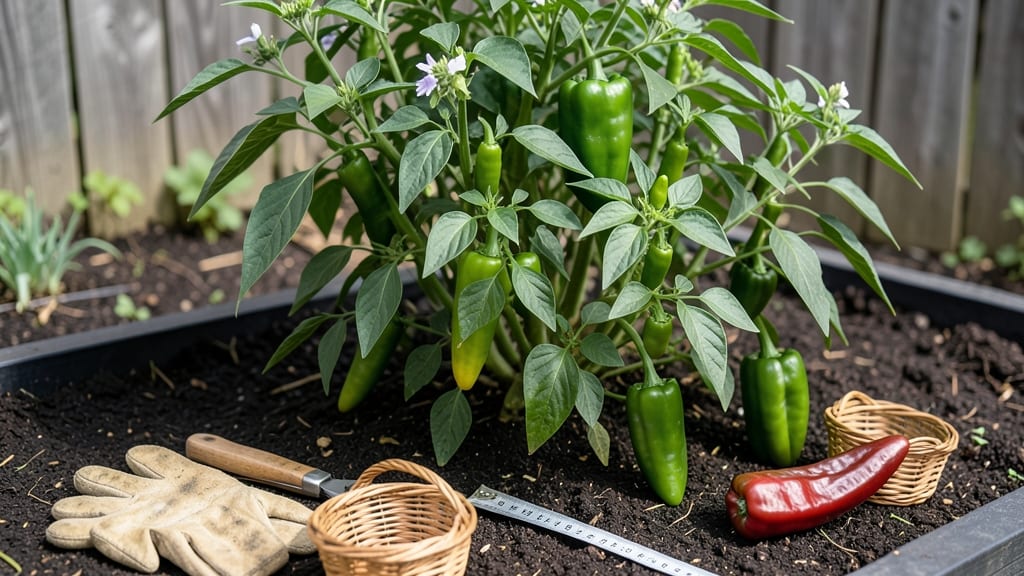
To pick jalapeños from your garden at their peak heat and flavor, time it right between 60 and 90 days after planting—when the peppers hit 3 to 5 inches and turn from dull green to vibrant 🌶️.
Picture this: you’ve been waiting months for those first spicy rewards, only to pull a pepper that’s still bland or too soft. That’s the frustration of picking too early or too late—both mistakes can ruin your harvest before it even hits the kitchen.
Beyond days to maturity, watch for firm skin that resists gentle pressure and a glossy sheen, not wrinkled or dull patches. Heat-loving varieties like jalapeños also signal readiness when the stem snaps cleanly at the base, a trick that saves you from tugging too hard and damaging the plant.
In this guide, I’ll break down the exact color stages (green, light green, or red), the best tools for harvesting, and how often to pick to keep your plants producing—plus storage tips to preserve that signature kick long after harvest.
Jalapeño color-stage guide: when to harvest for optimal heat and flavor
Timing your jalapeño harvest is everything—picking too early means bland, underdeveloped peppers, while waiting too long can lead to overripe or even wrinkled pods with diminished heat. The color stage is your best indicator, but it’s not the only factor.
Jalapeños mature through distinct phases, each offering unique flavor profiles and heat levels, from grassy green to sweet red. Understanding these stages helps you decide whether to harvest for fresh eating, pickling, or long-term storage.
Most gardeners focus on the green stage because that’s when jalapeños are typically harvested for pickling or cooking. However, allowing them to ripen to red or yellow can unlock deeper, sweeter flavors and a slightly milder heat.
The key is balancing size, firmness, and color to ensure you’re picking at peak maturity. For example, a 3-5 inch jalapeño with glossy skin is usually ready, but its color tells you whether it’s time for the kitchen or the pantry.
Here’s the breakdown of jalapeño color stages, their ideal harvest windows, and how they impact flavor and heat:
The green stage is where most jalapeños are harvested because they pack the most heat and tanginess. These peppers are ideal for pickling or cooking in dishes where you want a sharp, bright flavor. They typically measure 3-5 inches long and feel firm to the touch.
If you’re growing a red-ripening variety, you can leave them on the plant longer, but be mindful—they’ll soften and become less heat-intensive as they ripen.
When jalapeños transition to light green or yellow, they’re still great for fresh eating but develop a slightly sweeter, more complex flavor. The heat level may drop slightly, but the aromatic depth increases.
This stage is perfect if you’re making salsas or fresh salsas where you want a balance of heat and sweetness. Look for peppers that are still firm but show hints of their mature color—this is your cue to harvest.
For those who prefer fully ripe jalapeños, the
How to test jalapeño ripeness: beyond color—firmness, size, and heat checks
When it comes to jalapeños, color isn’t the only indicator of ripeness. Many gardeners focus solely on the green-to-red transition, but the best peppers combine size, firmness, and heat development.
I’ve learned that harvesting too early means milder, less flavorful peppers, while waiting too long can result in wrinkled, overly soft pods with diminished heat. Let’s break down the three key tests to determine the perfect harvest window.
Start with the size benchmark—ideal jalapeños measure 3 to 5 inches long. Smaller peppers (under 2 inches) are still developing their signature heat and flavor. I’ve found that peppers in this range often lack the bold, crisp texture and balanced spiciness you crave.
For pickling or cooking, you can harvest slightly earlier (around 2.5 inches), but for fresh eating or drying, wait until they reach that 3-inch minimum.
When to Pick Jalapeños: The 3 Must-Know Checks
🌱 Pro Tip: For maximum heat, harvest when peppers are glossy and firm—this ensures peak capsaicin development.
Next, perform the firmness test to avoid overripe peppers. Gently press your thumb into the pepper’s skin—if it dents easily, it’s past its prime. Overripe jalapeños become soft, wrinkled, and mealy, losing their crisp snap and developing a bitter aftertaste.
I’ve ruined batches by ignoring this step, especially in hot, dry summers when peppers ripen faster. For the best texture, harvest when the skin feels firm but slightly yielding, like a ripe avocado.
Don’t overlook the stem separation test, a trick I learned from a local pepper enthusiast. Grasp the pepper’s stem and twist gently—if it snaps cleanly near the plant, it’s ready. If the stem resists or tears, wait a few days.
This method also helps you avoid damaging the plant, which can stress the jalapeño and reduce future yields. For heirloom varieties, this test is especially critical since they often ripen unevenly.
Finally, check the seed and heat development. Cut open a pepper to inspect the seeds—white or light tan seeds indicate peak ripeness, while black or shriveled seeds mean the pepper has overripe.
I’ve noticed that peppers with fully developed seeds also pack the most capsaicin, the compound responsible for heat. If you’re growing jalapeños for fresh salsas or hot sauces, prioritize peppers with white seeds and vibrant color.
Adjust your harvest timing based on your intended use. For pickling, harvest when peppers are 2.5 to 3 inches and still firm—this ensures they hold their shape during processing.
For drying or cooking, wait until they’re 4 to 5 inches and fully colored, as they’ll concentrate their heat and flavor. I’ve found that red jalapeños (if your variety allows) are sweeter and less spicy, perfect for stuffing or roasting.