
Picking
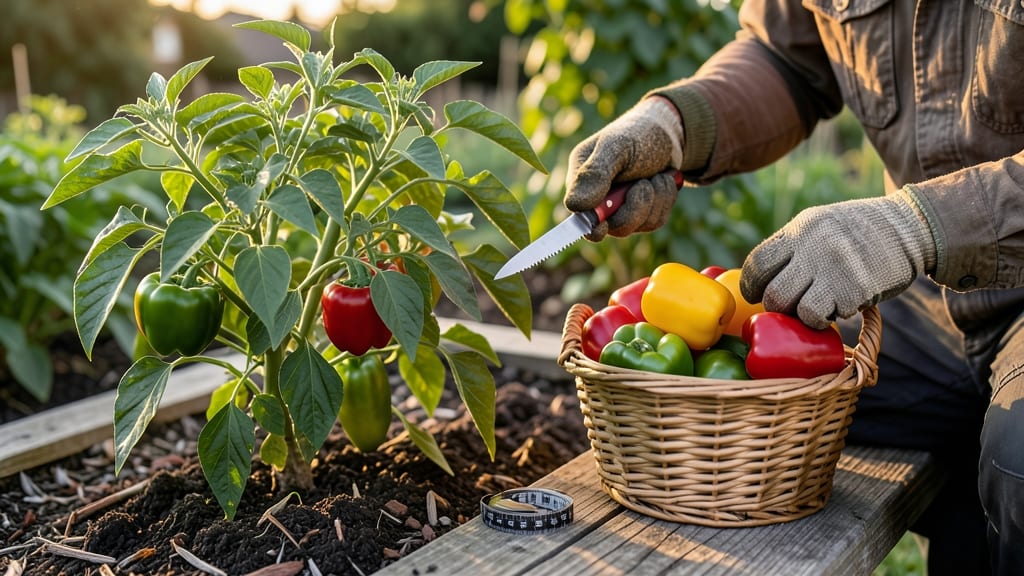
Picking peppers from your garden at the right time ensures sweet, vibrant flavors and keeps your plants productive all season long.
Ever snipped a pepper only to find it bitter or underripe? You’re not alone—most gardeners learn the hard way that timing is everything. The difference between a crisp, flavorful pepper and a mealy mess often comes down to color shifts, firmness, and even the weather.
In this guide, I’ll walk you through the exact signs to watch for—from deepening hues to the perfect snap at the stem—so you never miss the window again. We’ll also cover how climate affects ripening and the one mistake that ruins flavor before it even reaches your plate.
Ready to harvest like a pro? Let’s dive into the color checklist, texture tricks, and seasonal secrets that’ll turn your garden into a pepper powerhouse.
How to identify pepper ripeness by color and size
Harvesting peppers at the right time ensures the best flavor and prevents overripeness. Most gardeners focus on color changes and size benchmarks, but heirloom varieties often break these rules.
Let’s explore how to spot the perfect moment for bell peppers, jalapeños, and other types to maximize your harvest.
For most pepper varieties, ripeness starts with a color transformation. Green peppers, like bell peppers, turn deep red, yellow, or orange when fully ripe. However, some varieties—such as jalapeños or serrano peppers—can stay green and still be ready for picking.
Always check the size and firmness alongside color to avoid mistakes.
Here’s a quick reference for common pepper types and their ripeness cues:
Bell peppers are one of the easiest to time. They start green and shift to deep red, yellow, or orange when fully ripe. Aim for a 3–6 inch length and a glossy, firm skin.
If left too long, they’ll become leathery and lose sweetness. For jalapeños, size matters more than color—most are ready at 2–3 inches, even if still green.
Heirloom peppers often defy color rules. Some stay green, while others develop purple, black, or striped hues. Always check the seed packet or plant description for specific cues. If unsure, pick when the pepper feels firm and reaches its mature size—this works for almost any variety.
Don’t forget to check the stem end. A ripe pepper’s stem will often brown or yellow, while an unripe one stays green. This is a subtle but reliable sign, especially for hot peppers like serranos. If the stem snaps easily when bent, it’s ready for harvest.
Overripe peppers lose flavor and texture, but underripe peppers can be even worse. They’re often bland, tough, or seedy. For the best results, harvest early in the morning when peppers are cool and crisp. This gives you the peak flavor and texture for cooking or fresh eating.
If you’re growing peppers for long-term storage, harvest them when fully colored but still slightly firm. This ensures they’ll last longer in your pantry. For immediate use, like grilling or stuffing, pick at peak ripeness for the best taste and texture.
Pro tip: Regular harvesting encourages more production. Pinch off peppers as soon as they’re ripe to keep the plant focused on new growth. This works especially well for jalapeños and bell peppers, which can produce multiple harvests in a season.
🌶️
Firmness and texture checklist: the overlooked signs of perfect harvest time
When it comes to harvesting peppers, most gardeners focus on color and size—but the true indicators of ripeness often lie in texture and firmness. A pepper that looks perfect might still be underripe or overripe if you don’t check these tactile clues first.
I’ve learned the hard way that ignoring these signs can lead to bland, rubbery peppers or even bitter disappointment when they’re past their prime.
Start by gently squeezing the pepper between your thumb and forefinger. A ripe pepper should feel firm yet slightly springy, almost like a ripe avocado. If it gives too easily or feels soft, it’s not ready yet.
This test works for bell peppers, jalapeños, and even heirloom varieties—though some thicker-skinned peppers (like banana peppers) might need a firmer touch. Pay attention to the wall thickness too; mature peppers have thicker flesh that resists gentle pressure.
⚠️ callout-warning
Don’t confuse firmness with toughness. A pepper that’s too hard might still be underripe, while one that’s soft or wrinkled is likely overripe. For hot peppers, overripe peppers can develop a harsh, bitter flavor—even if they’re fully colored. Always check stem separation first: a ripe pepper’s stem should snap cleanly when bent, not drag or tear.
🌶️ Pro Tip: Test a few peppers from different branches—ripeness can vary even on the same plant!
Next, examine the stem separation point. A ripe pepper’s stem should detach easily with a slight twist, leaving a clean break. If the stem resists or tears, the pepper isn’t ready. This is especially critical for green peppers, which are often harvested before full ripeness.
For colored peppers (red, yellow, orange), the stem end should turn brown or slightly woody—a clear sign it’s time to pick.
Don’t overlook the glossy finish either. A ripe pepper’s skin should have a slight sheen, almost like a fresh apple. Dull or matte skin often signals underwatering or overripeness. I once ignored this clue and ended up with leathery, flavorless peppers—a mistake I won’t repeat!
For thin-walled varieties like cherry peppers, the glossiness is even more pronounced when they’re ready.
One of my biggest lessons? Harvest frequency matters. Peppers left on the plant too long can drain energy from new blooms, reducing your overall yield. Check your plants every 2-3 days during peak season (July–September) to spot ripe peppers early.
Use clean, sharp pruners or scissors to avoid damaging the plant, and always leave a small stem attached to prevent rot.
Finally, trust your tactile memory. After harvesting a few batches, you’ll start recognizing the ideal firmness and texture by feel alone. Keep a harvest journal to note when peppers reach their peak—this helps you adjust for climate variations or plant maturity.
With practice, you’ll never miss the perfect moment to pick again!