
Picking
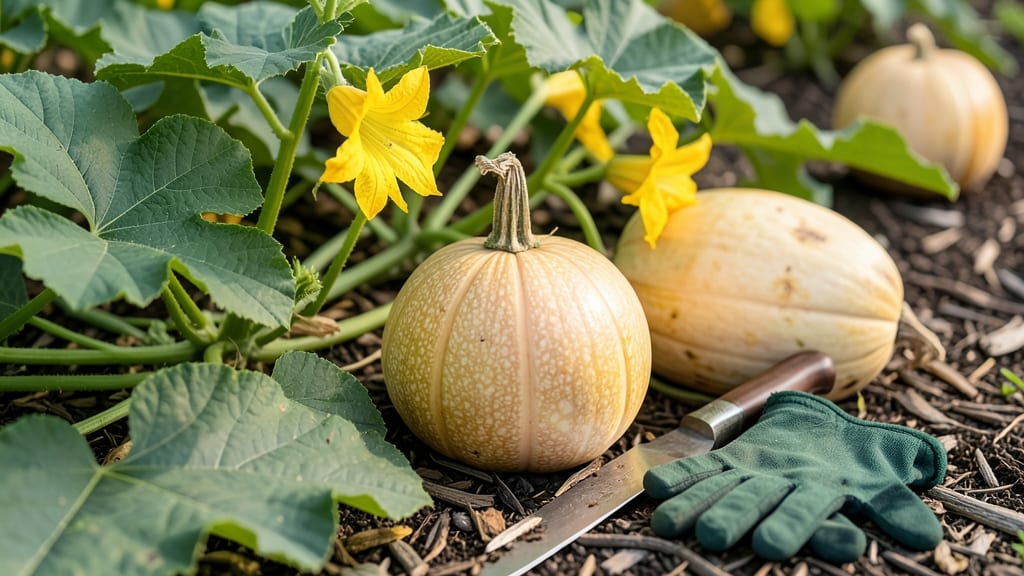
To pick spaghetti squash from your garden at the perfect moment, watch for a dull yellow rind and a stem that snaps cleanly—these are the clearest signs it’s ready to harvest.
Harvesting spaghetti squash 🎃 too early means tough, fibrous strands, while waiting too long turns the flesh into a mushy mess. The difference between tender and disappointing comes down to timing, and these visual cues are your shortcut to success.
Most gardeners miss the mark because they rely on days after planting instead of the plant’s own signals. Here’s how to read the rind, test the stem, and know exactly when to reach for that knife—plus what to do once you’ve got it home.
You’ll learn the three foolproof methods to check ripeness without cutting into the squash, how to store it for maximum freshness, and the one mistake that ruins texture faster than anything else.
How to identify spaghetti squash ripeness through seed color & skin changes
Spaghetti squash is ready to harvest when its seed cavity shifts from white to yellow or brown, signaling the starch conversion that makes the flesh tender. This color change—often overlooked—is your first clue that the squash is nearing peak ripeness.
Pair this with rind hardness and stem drying, and you’ll avoid the common mistake of harvesting too early or too late.
I’ve learned the hard way that waiting for the rind to dull yellow isn’t enough—you also need to check the seed color inside. A mature spaghetti squash will have seeds that are tan or light brown, not the pale white of an immature fruit.
This shift happens gradually, so monitor your squash weekly in late summer to catch the perfect moment.
Here’s the key: the skin should harden like a ripe cantaloupe but not turn tough or woody. Run your thumb over the rind near the stem—if it resists pressure slightly but doesn’t dent, it’s ready.
Meanwhile, the stem should dry out and snap cleanly when bent, not bend like a green stem.
🎃
| Cue | Description | Action |
|---|---|---|
| Seed Color | Shifts from white to tan/yellow-brown | Check cavity by gently probing with a knife |
| Rind Hardness | Dull yellow, firm but not tough | Press with thumb—shouldn’t dent deeply |
| Stem Condition | Dries out, snaps cleanly when bent | Twist gently—clean break = ready |
| Weight | Feels heavy for its size | Lift squash—heavy = water-filled and ripe |
| Leaf Signal | Yellowing and dying back | Harvest within 3–5 days of leaf drop |
Don’t rely solely on the rind color—some squash stay green well past maturity. I once harvested a squash with a perfect yellow rind only to find the seeds were still white and the flesh was woody and bland.
The lesson? Always verify with the seed color test, which is non-destructive if you’re gentle.
To test without cutting, use a small knife or screwdriver to pierce the squash near the stem. If the cavity inside is tan or brown, it’s ready. If it’s still white, wait 3–5 more days. This method works even for container-grown squash, where space limits visual checks.
Another pro tip: Tap the squash with your knuckles—ripe spaghetti squash produces a deep, hollow sound, like knocking on a watermelon. An underripe one will sound dull or flat. Combine this with the seed color check, and you’ll nail the harvest window every time.
🌱
If you’re growing spaghetti squash in cooler climates, watch for early frost warnings. Harvest before temperatures drop below 50°F (10°C), even if the squash isn’t fully ripe. An underripe squash can still be used—just expect slightly firmer flesh that cooks down tender with extra time.
Store harvested squash in a cool, dry place (50–55°F) for up to 2 months. Avoid refrigeration until after cutting, or the flesh will turn mushy. For long-term storage, cure the squash for 10 days in a warm (80–85°F), humid spot before storing.
✂️
The 3 best methods to test spaghetti squash ripeness before harvesting
Knowing exactly when to harvest your spaghetti squash can be tricky—overripe fruits turn tough and stringy, while underripe ones lack sweetness. These three foolproof methods will help you determine peak ripeness without cutting into the squash. Start with the easiest visual cues, then move to hands-on tests for absolute confidence.
The key to perfect spaghetti squash lies in its seed color, rind texture, and internal maturity. Unlike other squashes, spaghetti squash doesn’t soften as it ripens—instead, it develops a dull yellow rind and a harder exterior.
Here’s how to test each one accurately, even if you’re new to growing this unique variety.
For the thumb pressure test, start by selecting a squash that’s already showing dull yellow coloring. Apply firm pressure with your thumb—if the skin resists indentation and feels firm to the touch, it’s a strong indicator of ripeness.
This method works best on squashes that are 80–90 days old, as younger fruits will still feel soft.
The seed color comparison is my favorite trick because it gives you a direct look at internal maturity. Use a small knife to slice a 1-inch slit near the blossom end (the opposite side of the stem).
If the seeds are still white or pale green, wait 3–5 days before testing again. Once they turn tan or brown, the squash is ready to harvest.
If you’re unsure about internal readiness, the tap test provides instant feedback. Hold the squash with one hand and gently tap it with your knuckles. A deep, resonant thud signals that the stringy flesh is fully developed, while a dull thud means it needs more time.
This method is especially useful for larger squashes, which can take longer to mature evenly.
Pro tip: Combine these methods for 100% accuracy. A squash that passes all three tests—hard rind, tan seeds, and hollow tap—is guaranteed to yield tender, flavorful strings.
Harvest in the morning after the dew has dried to ensure the longest shelf life and best texture.
Remember, spaghetti squash won’t soften like butternut or acorn varieties—it actually becomes firmer as it ripens. Overlooking these cues can lead to tough, fibrous flesh, so always double-check before harvesting. With these techniques, you’ll never guess again!