
Picking
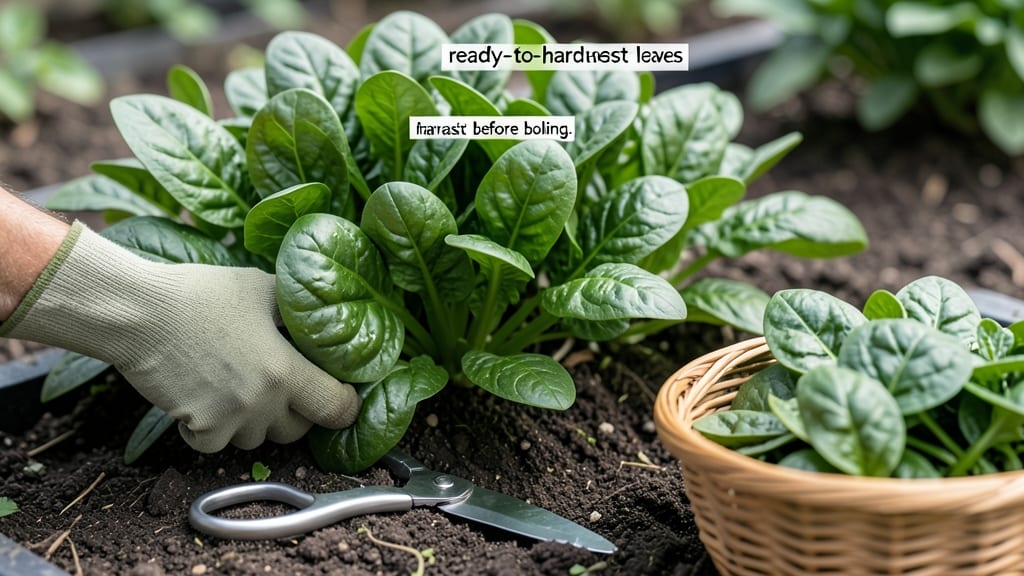
To pick spinach from your garden at the perfect moment means tender, flavorful leaves that regrow for a second harvest—never bitter or tough.
Picture this: you’ve nurtured your 🥬 spinach for weeks, and now the leaves are finally big enough to harvest. But wait—pick too early, and you’re wasting potential; wait too long, and you’re left with bolted stems and wasted effort.
The right timing isn’t just about size; it’s about flavor, texture, and even the weather.
Most gardeners miss the sweet spot because they focus on days after planting instead of leaf size and plant signals. The key is harvesting outer leaves when they’re 4–6 inches long, bright green, and still crisp—not woody or stringy.
This method keeps your spinach producing for weeks, not just a single sad harvest.
Below, I’ll walk you through the exact signs to watch for, how to avoid common mistakes (like over-maturity or bolting), and the best techniques for continuous regrowth. Ready to turn your spinach patch into a never-ending salad source?
Best time to harvest spinach for flavor and texture
Timing your spinach harvest is everything—pick too early, and you’ll miss peak flavor; too late, and those tender leaves turn tough and bitter. The ideal harvest window for spinach is when leaves reach 4–6 inches long and remain bright green and crisp.
This usually happens 30–60 days after planting, depending on your variety and growing conditions.
But here’s the secret: spinach is a cut-and-come-again crop, meaning you can harvest outer leaves repeatedly while the plant keeps producing. The key is selective harvesting—never take more than 1/3 of the plant at once to avoid stressing it.
This method extends your harvest season by 4–6 weeks if done correctly.
Environmental factors like temperature and daylight also play a huge role. Spinach thrives in cool weather (50–70°F) and can even improve in flavor after a light frost (for hardy varieties like 'Winter Bloomsdale').
But if temperatures creep above 75°F, your spinach may bolt prematurely, sending up flower stalks and ruining the tender leaves.
Watch for visual cues like leaf size and color. When spinach leaves reach 4–6 inches, they’re typically ready for harvest.
But if the leaves start looking yellowish or developing a stem, your plant is bolting—a sign it’s past its prime. Bolting spinach becomes stringy and bitter, so act fast if you see flower stalks emerging.
For continuous harvests, focus on the outer leaves first. These mature quicker and won’t stunt the plant’s growth. Use clean, sharp scissors or pruners to snip leaves just above a leaf node (where new growth emerges).
This encourages the plant to produce more leaves in the center, giving you a second (or even third) harvest in just 2–3 weeks.
One pro tip: If you’re growing spinach in late summer or fall, a light frost can actually sweeten the flavor. Varieties like 'Tyee' or 'Space' hold up well in cooler temps, so don’t rush to harvest—let nature enhance that taste!
Just be sure to pick before temperatures drop too low, or the leaves may turn mushy.
Finally, avoid harvesting in direct midday sun or during hot afternoons. Spinach wilts quickly when exposed to heat, so harvest in the morning when leaves are crisp and hydrated.
Store harvested leaves in the fridge for up to 5–7 days in a perforated bag to keep them fresh for salads or cooking.
By mastering these harvest timing tricks, you’ll enjoy flavorful, tender spinach all season long—no bitter surprises here! 🥬
Leaf-by-leaf harvesting techniques for continuous regrowth
Spinach thrives when you practice leaf-by-leaf harvesting, a method that keeps your plants producing tender greens for weeks instead of just one big harvest. The key is to pick the outer leaves first—these are the oldest and largest, leaving the younger, more tender inner leaves to grow.
This approach mimics how spinach grows naturally and encourages regrowth without stressing the plant.
Timing your harvests is just as important as which leaves you pick. Aim to harvest when leaves reach 4–6 inches long and are bright green and crisp. If you wait too long, the leaves become tough, bitter, and prone to bolting (flowering), which ends your harvest season prematurely.
A well-timed, selective harvest can extend your spinach production by 3–4 weeks or more!
How to Harvest Spinach Leaf-by-Leaf for Regrowth
- 🌱 Step 1: Wait for maturity – Harvest only when outer leaves reach 4–6 inches long and are fully tender. Younger leaves should still be 2–3 inches.
- ✂️ Step 2: Pick outer leaves first – Use clean scissors or fingers to snip or twist off the largest, oldest leaves at the base. Avoid cutting into the inner rosette.
- 📅 Step 3: Space harvests 1–2 weeks apart – Give the plant time to regrow 3–5 new leaves before harvesting again. Over-picking stresses the plant.
- 💧 Step 4: Water and fertilize after harvesting – Keep soil consistently moist and apply a light nitrogen feed (like fish emulsion) to encourage regrowth.
- 🌡️ Step 5: Adjust for weather – In hot weather, harvest more frequently to prevent bolting. In cool weather, you can space harvests up to 3 weeks apart.
One common mistake is harvesting too aggressively, which can shock the plant and stunt regrowth. Never remove more than one-third of the plant at a time, and always leave the central growth point intact.
This ensures the plant continues producing new leaves from the base, giving you a steady supply of fresh greens.
For continuous regrowth, I recommend harvesting every 7–10 days during peak growing seasons (spring and fall). In cooler months, you can stretch this to 2–3 weeks without sacrificing yield.
Keep an eye on the plant’s health—if leaves start looking yellow or leggy, it’s time to pause harvesting and focus on care instead.
Pro tip: Use harvested leaves immediately or store them in the fridge for up to 5 days in a damp paper towel. This keeps them crisp and flavorful while you wait for your next batch to regrow.
With the right technique, your spinach plants can provide multiple harvests over several weeks—making your garden a leafy green powerhouse! 🥬