
Picking
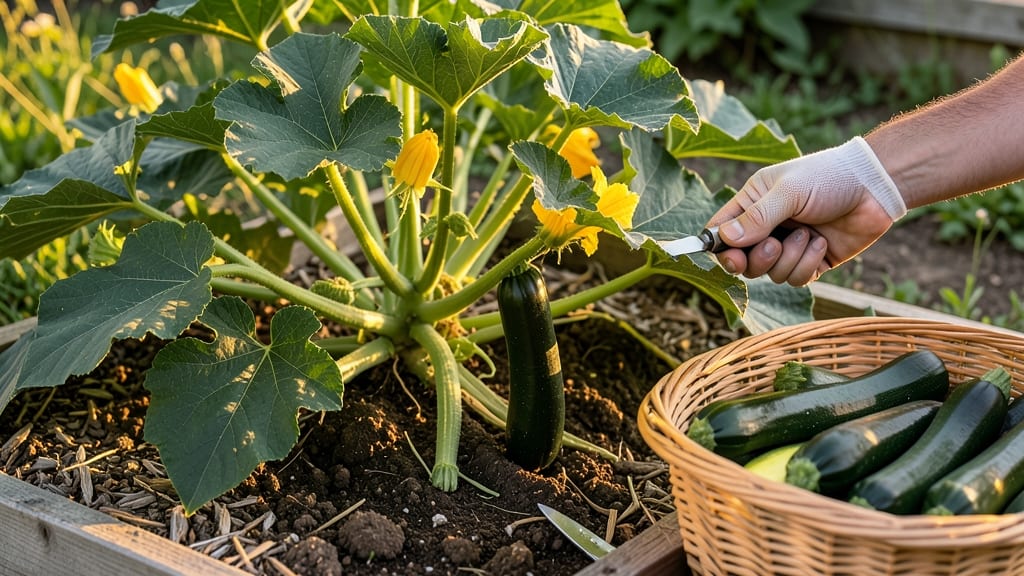
To pick zucchini from your garden at the perfect moment means capturing crisp, seedless squash before they turn tough and seedy—something even experienced gardeners sometimes get wrong.
Imagine slicing into a zucchini only to find it bitter or woody, all because you waited just a few days too long. The difference between a tender, flavorful harvest and a disappointing one comes down to three simple tactile tests you can do in seconds.
These tests—checking skin firmness, seed development, and stem readiness—will help you determine the exact moment to harvest, ensuring your zucchini stays at its peak for salads, grilling, or baking.
Below, I’ll walk you through each method, including visual cues to avoid common mistakes and seasonal adjustments for consistent, high-yield production all summer long.
3 Tactile tests to pick zucchini at peak ripeness
Zucchini grows fast—sometimes too fast—and that means the window between perfect ripeness and overripe is narrow. I’ve learned the hard way that waiting just a day or two can turn a tender, seedless zucchini into a tough, seedy one.
The key is using your hands to test three simple but critical factors: skin firmness, seed development, and stem attachment. These tactile checks take seconds but make all the difference in flavor and texture.
Why rely on touch? Visual cues like size and color can be misleading, especially in shady spots or under fluctuating summer temperatures. Your fingers provide instant feedback about the internal maturity of the zucchini—something you can’t see from the outside.
I’ve used these tests for years, and they’ve helped me harvest zucchini that’s consistently crisp, flavorful, and seedless, even when I’m not watching the plants every hour.
Here’s how to apply each test in your garden, along with the science behind why they work:
What to do: Gently press your thumb against the side of the zucchini. If the skin gives slightly but doesn’t dent, it’s ready. If it dents easily, it’s underripe; if it feels hard and woody, it’s overripe.
Why it works: The skin’s firmness reflects cell wall development. At peak ripeness, the cells are firm but still tender—like a ripe avocado. Overripe zucchini develops lignin, a tough polymer that makes the skin hard.
What to do: Cut the zucchini lengthwise (or peek inside the blossom end if it’s still attached). Look for small, pale seeds that are peanut-sized or smaller. If seeds are larger than a dime or darkening, the zucchini is past its prime.
Why it works: Seeds grow rapidly once pollination occurs. When they’re tiny, the zucchini’s flesh is mild and sweet. Larger seeds mean the plant has shifted resources to seed development, making the flesh bitter and fibrous.
What to do: Gently twist the zucchini at the stem attachment point. If the stem snaps cleanly with minimal resistance, it’s ready. If it resists strongly, the zucchini needs more time; if the stem pulls away easily, it’s overripe.
Why it works: The stem’s firmness indicates how deeply the zucchini is anchored to the plant. At peak ripeness, the vascular connection weakens naturally, making harvest easier. Overripe zucchini often detaches on its own, signaling the plant is redirecting energy to seed production.
Pro tip: Combine these tests for the most accurate results. For example, a zucchini might feel firm to the touch but have large seeds—this is a classic sign of uneven ripening, often caused by inconsistent watering or temperature swings.
In this case, harvest it anyway (it’s still edible) but adjust your care routine to prevent future issues.
Timing matters too. Early in the season, zucchini ripens faster due to cooler temperatures. Later in summer, heat can slow growth, so check your plants every 2-3 days rather than waiting for a set schedule.
I’ve found that morning harvests work best because the zucchini is cooler and firmer, making the tactile tests more reliable.
What if you miss the window? Don’t panic. Overripe zucchini can still be used—just peel it, remove the seeds, and use it in bread, fritters, or soups where texture isn’t critical.
But with these tests, you’ll spend far less time dealing with giant, seedy zucchini and more time enjoying the tender, sweet harvest you’ve earned.
One final reminder: The more you harvest, the more your zucchini plant will produce. This is thanks to the plant’s natural response to pruning stress. By picking regularly, you’re encouraging the plant to focus on fruit production rather than letting a few zucchini grow to monstrous sizes.
It’s a win-win for your garden and your dinner table.
Now grab your gardening gloves and give those zucchini a feel—they’re telling you exactly when it’s time to pick! 🌱
How often to check your zucchini plants for harvest-ready fruit
Checking your zucchini plants every 2-3 days is the golden rule for a bountiful harvest. During peak summer months (June-August), your plants may produce fruit faster, so increase checks to daily inspections if you notice rapid growth.
Early in the season, when plants are still establishing, reduce checks to every 3-4 days to avoid overwhelming yourself with tiny zucchini.
Your first harvest typically arrives 45-55 days after planting, though this varies by variety and climate. In cooler regions, expect a slightly delayed harvest, while warmer areas may see fruit ready in as few as 40 days.
The key is consistency—once your plants start flowering, they’ll signal readiness with visible fruit growth within 7-10 days.
Use this summary-table to track your zucchini’s growth stages and ideal harvesting windows:
Balancing harvest frequency with plant health is crucial. Over-picking can stress your zucchini, while neglecting to harvest can lead to bitterness and reduced yield. Aim to remove 1-2 zucchini per plant every 2-3 days during peak production.
If you notice yellowing leaves or wilting, cut back on harvesting and focus on watering and fertilizing to revive the plant.
Seasonal adjustments matter too. In early summer, when days are shorter, zucchini grow slower, so checks every 3-4 days suffice. By mid-summer, when heat accelerates growth, switch to daily inspections to catch zucchini at their peak.
Late summer slows production again, so reduce checks to every 4-5 days until frost.
Pro tip: Set a weekly reminder to inspect your plants, even if no fruit is visible. Early detection of pests, diseases, or nutrient deficiencies gives you time to act before harvest season arrives. With consistent checks, you’ll enjoy a steady supply of tender, seedless zucchini all summer long.