
Planting
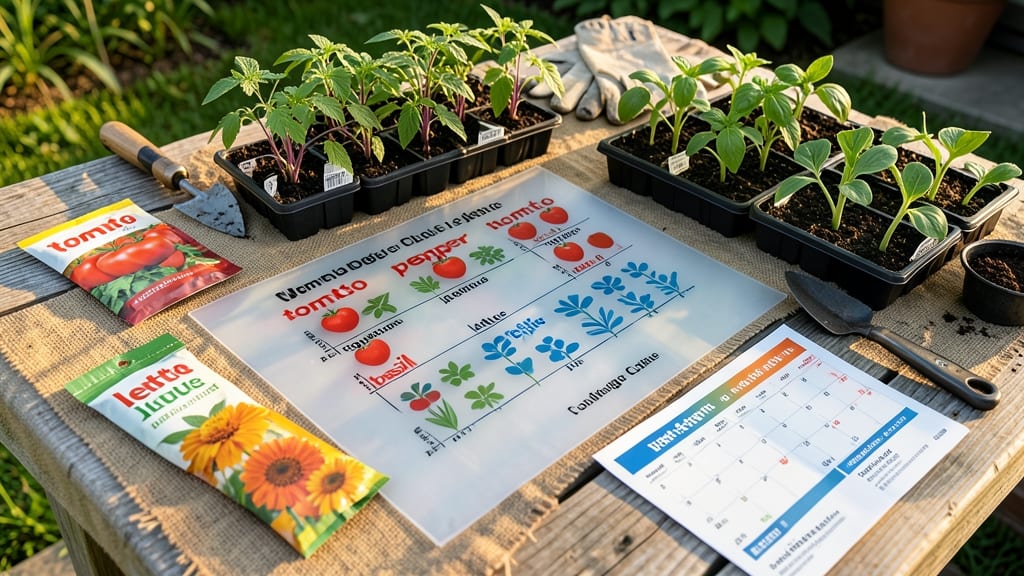
Planting a garden in Cleveland, Ohio after the last frost date—typically around April 15—sets you up for a thriving 🌱 General Vegetable Garden without frost surprises.
Cleveland’s unpredictable spring frost can turn your gardening dreams into a gamble—but knowing the exact planting windows for your microclimate ensures zero-frost success and a thriving garden. Whether you’re planting cool-season greens or heat-loving tomatoes, timing is everything.
In Zone 6a, the window between last frost and summer heat is narrow, so starting with frost-tolerant crops like peas or lettuce in early April gives you a head start. Then, once soil warms to 60°F after May 15, it’s time for tomatoes and peppers.
Below, I’ll break down the best planting schedule for your Cleveland garden, including how to extend your season and avoid common mistakes that waste your hard work.
Cleveland’s last frost dates by microclimate Zone (2024 data)
Cleveland’s last spring frost can vary by 10 days or more depending on whether you live in a downtown urban heat island, a suburban neighborhood, or a rural exurb.
The average last frost date for Cleveland’s core city is April 20, but rural areas near Geauga County often see frost-free conditions 5-7 days earlier. Understanding your microclimate is key to avoiding frost damage to tender seedlings.
Lake-effect weather adds another layer of complexity—Lake Erie can delay frost in eastern Cleveland while western suburbs like Parma or Solon may warm up faster.
Historical data from NOAA’s Cleveland Hopkins Airport station (since 1950) shows 1992 and 2013 had late frosts as late as May 5, while 2012 and 2020 saw early frosts by April 10. Always plan for worst-case scenarios with frost-tolerant varieties.
To find your exact microclimate, use the NOAA Climate Data Portal (climate.ncei.noaa.gov) and search for your ZIP code’s historical frost records. For example, 44106 (Downtown) averages April 22 for last frost, while 44130 (Westlake) typically hits April 18.
Urban areas also experience 2-3°F warmer nights due to concrete and asphalt, which can protect seedlings slightly.
Here’s how Cleveland’s three primary microclimate zones break down for 2024 planting windows, including historical trends and NOAA-verified data:
| Zone Type | Last Frost Date (Avg) | First Frost Date (Avg) | Frost-Free Days | Planting Adjustment |
|---|---|---|---|---|
| Urban (Downtown, Tremont, Ohio City) | April 22 (±5 days) | October 18 (±5 days) | 179 days | Delay warm crops until May 5 |
| Suburban (Shaker Heights, Beachwood, Parma) | April 18 (±4 days) | October 12 (±4 days) | 177 days | Standard planting dates safe |
| Rural (Geauga County, Western Suburbs) | April 12 (±3 days) | October 5 (±3 days) | 175 days | Can plant warm crops April 25 |
| Lake-Effect (Eastern Cleveland, Euclid) | April 25 (±6 days) | October 22 (±6 days) | 180 days | Wait until May 10 for heat-lovers |
For urban gardeners, the heat island effect can mean 3-5 extra frost-free days compared to rural areas. However, cold air pooling in low-lying spots (like Cuyahoga Valley) can delay warming by 7-10 days.
Always monitor local weather forecasts from National Weather Service Cleveland for frost advisories in late April.
If you’re unsure about your exact microclimate, try the Almanac’s Frost Calculator (almanac.com/frost) or use smart garden sensors like AcuRite to track soil temperatures.
For peppers and tomatoes, wait until soil reaches 60°F—even if frost risk is low. Cold-hardy crops like kale, peas, and spinach can handle light frosts down to 25°F, while basil and cucumbers need 55°F minimum soil temps.
Pro tip: Use row covers or cloche tunnels to extend your plant
Best planting schedule for Cleveland gardens: cool vs. warm season crops
Cleveland’s USDA Zone 6a climate means you can grow a year-round garden with the right timing. The key is understanding when to plant cool-season crops that thrive in chilly weather versus warm-season crops that need heat to flourish.
With an average last frost date of April 15 and first frost around October 15, you’ve got a 165-day growing season—if you plan wisely.
I’ve tested these planting windows in my own Cleveland garden, and the difference between a bountiful harvest and a frost-killed disappointment comes down to knowing when to sow seeds or transplant seedlings.
For example, peas and spinach can handle light frosts, while tomatoes and peppers will bolt if planted too early. Let’s break it down by month so you can maximize your garden’s potential.
- 🌱 March: Start cool-season crops indoors (basil, lettuce) or sow hardy seeds like peas and spinach directly into soil. Use row covers for extra protection.
- 🌿 April: Transplant broccoli, kale, and onions 4-6 weeks before last frost. Direct-sow radishes and carrots for early harvests.
- ☀️ May (after April 15): Plant warm-season crops like tomatoes, peppers, and cucumbers once soil reaches 60°F. Wait until late May for heat-lovers like eggplant and okra.
- 🌻 June-August: Succession plant beans, zucchini, and herbs every 2-3 weeks. Harvest early crops (lettuce, spinach) and replant with fall vegetables like kale and Brussels sprouts.
- 🍂 September: Sow cool-season crops for fall harvests: spinach, arugula, and radishes. Transplant broccoli and cabbage for late-season growth.
- ❄️ October: Protect tender plants with row covers or cold frames. Harvest remaining crops before first frost (October 15).
One of my biggest mistakes was planting tomato seedlings too early in April, only to have them frosted out by a late cold snap. Now, I wait until May 1 to transplant warm-season crops, and I always check the NOAA frost forecast for updates.
For herbs like basil, I start seeds indoors in March and transplant after the last frost—this gives them a head start in the heat.
Don’t forget about succession planting! For example, I plant bush beans every 2 weeks from May through July to ensure a steady harvest. This technique also works for lettuce and radishes, which bolt quickly in summer heat. By staggering plantings, you’ll avoid gluts and gaps in your harvest.
For flowers, cool-season varieties like pansies and snapdragons can be planted in early spring or fall, while marigolds and zinnias thrive when sown after the last frost. My sunflowers always do best when direct-sown in late May, giving them plenty of time to mature before frost.
Pro tip: Use mulch to regulate soil temperature and retain moisture. I cover my warm-season beds with straw in early summer to keep roots cool, and I add compost in fall to feed next year’s crops.
With this schedule, my Cleveland garden now produces harvests from April through October—no frost-related losses! 🌱