
Planting
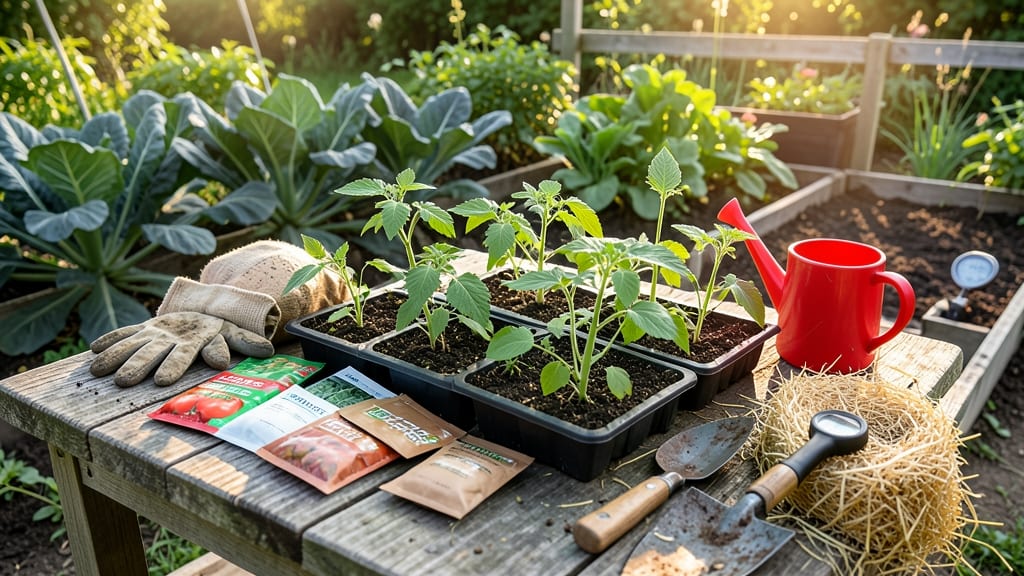
Planting a garden in Georgia at the right time means the difference between a thriving harvest and lost seeds—especially in USDA Zones 7b and 8a, where frost dates shift faster than you’d expect.
Picture this: you’ve prepped your soil, ordered seeds, and cleared your schedule for spring gardening—only to watch your tender seedlings wilt under an unexpected late frost. Georgia’s warm climate tricks beginners into thinking they can plant early, but timing is everything.
Miss the window, and you’ll spend summer chasing growth instead of enjoying it.
Here’s the good news: Georgia’s long growing season gives you two prime planting windows—spring and fall—plus smart tricks to stretch your harvest through summer’s heat.
Whether you’re a first-timer or a seasoned gardener, knowing when to start your 🌱 General Garden sets you up for success from the first spade in the dirt.
Below, I break down the exact frost dates for your region, the best crops to plant by month, and how to beat Georgia’s heat or humidity without sacrificing your yield. No more guesswork—just a garden that grows.
Georgia’s frost-free planting calendar: key dates for USDA zones 7b & 8a
Understanding Georgia’s frost-free planting windows is key to avoiding frost damage and maximizing your garden’s potential. In USDA Zone 7b, the last frost typically occurs around March 15, while Zone 8a sees it slightly earlier, around February 28.
These dates mark the perfect time to plant warm-season crops like tomatoes and peppers.
First frosts usually arrive between November 15-30, depending on elevation. Higher elevations (like the Blue Ridge Mountains) may experience frost earlier, while coastal areas like Savannah enjoy extended growing seasons. Always adjust your planting schedule based on your local microclimate for best results.
For cool-season crops like lettuce and broccoli, start seeds indoors 4-6 weeks before your last frost date. In Zone 7b, this means beginning in late February, while Zone 8a gardeners can start slightly later in early March.
These crops thrive in cooler temperatures and can even tolerate light frosts.
Warm-season crops, including tomatoes, peppers, and eggplants, need consistent warmth to germinate. Wait until the soil temperature reaches at least 60°F—usually after April 15 in most of Georgia. Use a soil thermometer to confirm readiness, especially in higher elevations where nights stay cooler.
Succession planting is a game-changer in Georgia’s long growing season. After harvesting early crops like radishes or lettuce, replant with quick-growing varieties like bush beans or zucchini in late spring. This keeps your garden productive from March through October.
Don’t forget about fall planting! Georgia’s mild winters allow for a second harvest season. Start planting cool-season crops like spinach and carrots in late August for a fall harvest before the first frost. Use black plastic mulch to extend the season by warming the soil.
Microclimates play a huge role in Georgia’s planting success. Urban areas with concrete and pavement may experience heat islands, while rural spots with trees can stay cooler. Observe your garden’s unique conditions for 2-3 years to refine your planting schedule.
Elevation matters too! In the Appalachian region, last frosts can occur as late as April 15, while coastal areas like Savannah may see them by March 1. Adjust your schedule by 1-2 weeks based on your elevation zone.
Always monitor local weather forecasts and use frost cloth for early or late-season plants. With these adjustments, you’ll enjoy a frost-free garden from spring through fall.
Best vegetables to plant by month in Georgia: a seasonal guide
Georgia’s extended growing season lets you enjoy fresh vegetables almost year-round, but timing is everything. Cool-season crops like lettuce and peas thrive in spring and fall, while warm-season favorites such as tomatoes and peppers need consistent warmth.
By following a month-by-month schedule, you’ll maximize yields and avoid common pitfalls like bolting greens or stunted tomatoes. Let’s break down the best planting windows for your garden’s success.
Start with late winter crops like onions and spinach, which tolerate cooler temperatures. As spring warms, transition to warm-season staples like peppers and okra by May.
Fall planting begins in August with heat-tolerant varieties, then shifts to cool-season greens by September. This strategic approach ensures continuous harvests without overlapping incompatible plants.
- 🌱 February-March: Plant onions, spinach, and peas for early spring harvests. Soil temps should reach 50°F+.
- 🌱 April-May: Sow tomatoes, peppers, and beans after last frost (mid-March). Use row covers for early starts.
- 🌱 June-July: Direct-sow okra, sweet potatoes, and cucumbers. Succession plant lettuce for fall.
- 🌱 August-September: Plant broccoli, kale, and carrots for fall harvests. Avoid bolting by choosing heat-tolerant varieties.
- 🌱 October: Sow garlic and cover crops like clover to protect soil. Mulch warm-season plants for winter.
Succession planting is key to non-stop harvests. For example, sow bush beans every 2 weeks from May to July to enjoy fresh pods all summer.
Similarly, lettuce planted in 3-week intervals ensures a steady supply from spring to fall. This method works especially well for fast-growing crops like radishes and turnips.
Don’t overlook fall planting—it’s when many gardeners achieve their most abundant harvests. Broccoli and cabbage planted in August mature just before winter, while spinach and kale thrive in cooler temperatures. Use black plastic mulch to warm soil early in spring or late fall for a head start on seedlings.
Adjust timing based on your microclimate. Coastal areas (Zone 8a) can plant tomatoes 2-3 weeks earlier than Piedmont regions (Zone 7b). Mountain zones (Zone 7a) may need to wait until late April for warm-season crops.
Always check soil temperatures—warm-season plants like peppers need soil at 60°F+ to germinate properly.
Pro tip: Keep a planting journal to track what works best in your garden. Note when you sowed, harvested, and any challenges like pests or weather delays. Over time, you’ll refine your schedule to match your local conditions perfectly. Happy planting! 🌱