
Planting
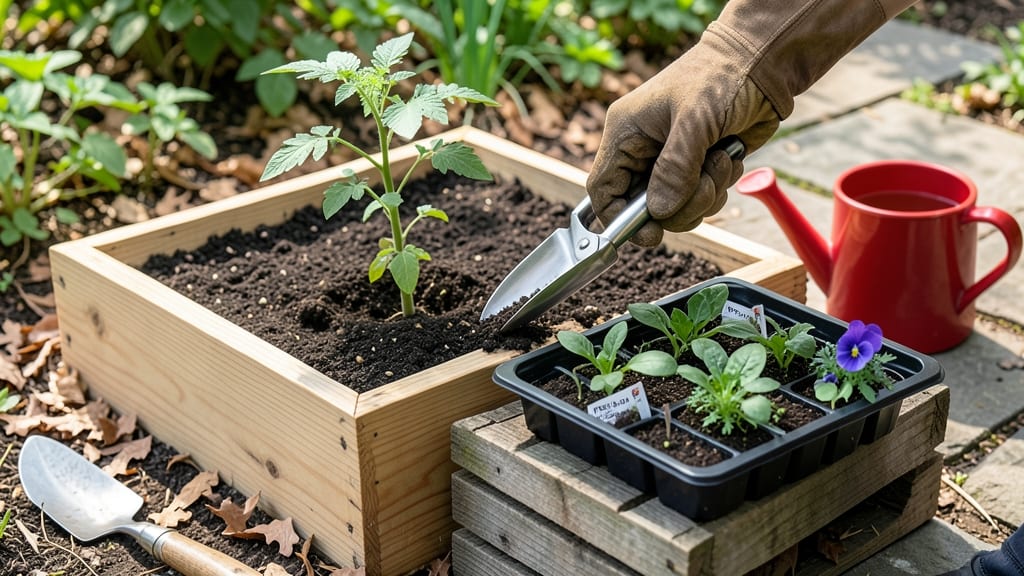
To plant a garden in Michigan, wait until after the last frost date — typically mid-April to early May in zones 5b-6b — when soil temperatures hit 50°F or warmer.
Michigan gardeners know timing is everything — plant too early and risk frost damage, too late and miss peak harvests. But with the state’s diverse USDA zones and unpredictable springs, knowing exactly when to plant your zero-frost crops can mean the difference between a thriving garden and a disappointing one.
Most warm-season vegetables like tomatoes, peppers, and cucumbers need 10 consistent frost-free days before planting, while cool-season crops can handle a light frost. The key is balancing soil warmth with air temperatures, which is why April 15 is the magic cutoff for many gardeners in southern Michigan.
Below, I break down the zone-by-zone planting windows, how to adjust for late frosts, and the best crops to prioritize for Michigan’s short growing season. No more guessing — just actionable deadlines for your 🌱 garden.
Michigan’s last frost dates by zone: the critical timeline for zero-frost crops
Understanding Michigan’s last frost dates is the first step to growing a successful vegetable garden. The state spans USDA zones 4a through 6b, meaning frost timing varies dramatically from the Upper Peninsula to southern regions.
For zero-frost crops like tomatoes, peppers, and cucumbers, planting too early can mean lost plants, while waiting too long shortens your harvest window.
Most Michigan gardeners use the 10-day rule after the average last frost date to safely plant warm-season crops. This buffer accounts for late frosts and ensures young plants have time to establish roots before summer heat arrives.
Southern Michigan (zone 6b) typically sees its last frost by April 20th, while northern zones (4a) may not be frost-free until May 20th or later.
Here’s a zone-by-zone breakdown of Michigan’s average last frost dates, including historical data and practical planting windows for your zero-frost crops:
| USDA Zone | Avg. Last Frost | Safe Planting Window | Zero-Frost Crops | Notes |
|---|---|---|---|---|
| 4a (Upper Peninsula) | May 15 | May 25 - June 1 | Tomatoes, Peppers, Cucumbers | Use row covers for earlier starts |
| 4b (Northern Lower) | May 1 | May 10 - May 20 | Bush Beans, Zucchini, Basil | Start indoors 4-6 weeks early |
| 5a (Central) | April 25 | May 5 - May 15 | Peppers, Eggplant, Okra | Monitor soil temps (55°F+) |
| 5b (Southern) | April 15 | April 25 - May 5 | Tomatoes, Cucumbers, Melons | Longer growing season |
| 6a (Thumbs Region) | April 10 | April 20 - April 30 | Sweet Potatoes, Peppers, Corn | Early starts possible |
| 6b (Southwest) | April 5 | April 15 - April 25 | All Zero-Frost Crops | Warmest zone; longest season |
For tomatoes, which are especially frost-sensitive, I recommend waiting until the 10-day rule is past even in southern zones. In zone 6b, that means planting no earlier than April 25th.
In colder zones like 4a, you might need to start seedlings indoors in early April and transplant after May 15th.
Peppers and eggplants are even more delicate—these crops need soil temperatures above 60°F to thrive. In northern Michigan, this often means waiting until late May. Use a soil thermometer to check temperatures before planting; cool soils will stunt their growth.
Cucumbers and squ
How to adjust planting dates for Michigan’s unpredictable weather patterns
Michigan’s weather can shift faster than a summer thunderstorm, leaving gardeners scrambling to adjust planting schedules. While the average last frost date for southern Michigan might be May 15, northern regions like the Upper Peninsula can see frost well into June.
To avoid losing your tomatoes or peppers to a surprise freeze, I’ve developed a flexible approach that combines technology, protective gear, and smart crop selection.
Start by using the USDA Plant Hardiness Zone Map and local frost-free date calculators like the Michigan State University Extension’s Garden Tool. These tools provide 10-day windows rather than single dates, giving you a buffer for late frosts.
For example, if your zone’s average last frost is May 10, plant your warm-season crops like cucumbers or squash between May 20 and May 30 to account for variability.
⚠️ callout warning ⚠️
Even after the official last frost date, late frosts can still occur—especially in USDA Zone 4 areas like Traverse City or Marquette. Here’s how to protect your plants:
- Use row covers (floating fabric) for 2-3 weeks after the last frost to shield seedlings.
- Monitor forecasts via the National Weather Service or local ag weather apps for frost warnings.
- Avoid planting frost-sensitive crops (like eggplants) until June 1 in northern Michigan.
Pro Tip: Keep a soil thermometer handy—most warm-season crops need soil temps of 55-65°F to thrive.
For gardeners in Zone 5b-6a, where summers are shorter, I recommend planting fast-maturing varieties like bush beans or radishes as early as April 15 under row covers. These crops can tolerate cooler soils and still deliver harvests before the first frost.
Meanwhile, cool-season crops such as kale or spinach can handle early spring plantings, even if frost is still a risk—they’ll just grow slower until warmer temps arrive.
Extend your growing season with season extenders like cold frames, hoop houses, or even black plastic mulch. These tools can push your harvest window by 3-4 weeks in both spring and fall.
For instance, I’ve used a simple hoop house to grow lettuce in October when outdoor temps dip below 40°F. Just ensure proper ventilation to avoid overheating during sunny days.
Don’t overlook cold-hardy varieties designed for Michigan’s climate. For example, ‘Early Girl’ tomatoes mature in 55 days, while ‘Striped Roman’ tomatoes take 80 days. Plant the faster variety first (late May) and the slower one (early June) to stagger your harvest.
Similarly, ‘Winterbor’ kale thrives in cool weather and can be planted as early as March or as late as August for a fall harvest.
Create a personalized planting checklist based on your microclimate. Note the dates you plant, use protective covers, and monitor growth. For example, my checklist includes:
- ✅ April 15: Plant peas and spinach (cold-hardy).
- ✅ May 1: Set out row covers for broccoli and cabbage seedlings.
- ✅ May 20: Transplant tomatoes and peppers after soil warms to 60°F.
- ✅ June 15: Direct-sow beans and cucumbers.
By combining flexible planting dates, protective gear, and climate-adapted crops, you can turn Michigan’s unpredictable weather into an advantage. My garden thrives because I treat planting dates as guidelines, not rules—always ready to adapt when Mother Nature throws a curveball. 🌱