
Planting
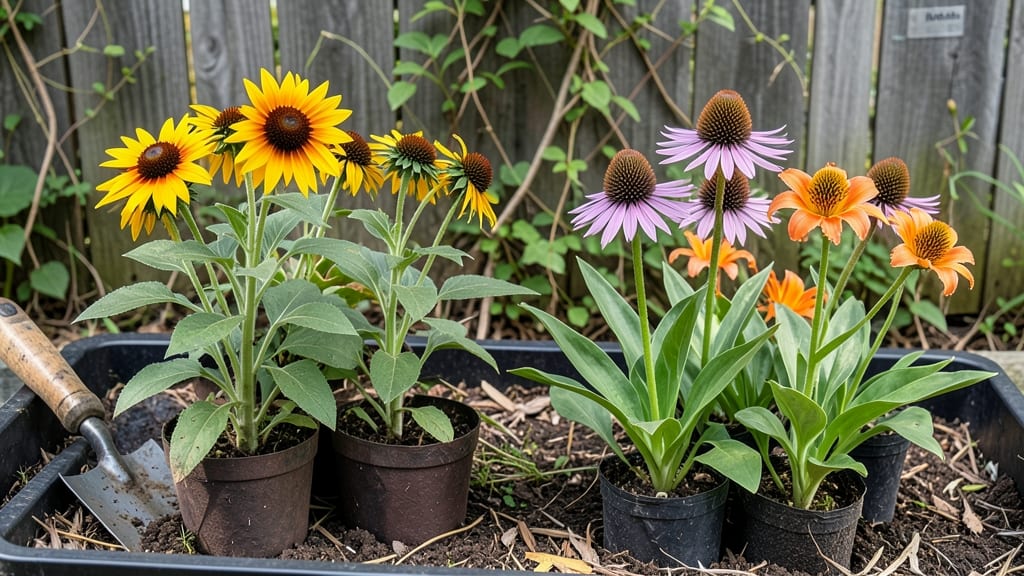
Planting a garden in North Carolina means timing your crops to the exact frost-free dates that shift from the Coastal Plain to the Mountains—get it wrong, and you risk stunted plants or wasted seeds.
North Carolina’s diverse climate—from coastal breezes to mountain highlands—means your garden’s planting window can vary by hundreds of days. Get the exact frost-free dates for your county to maximize yields and avoid late-season surprises.
Cool-season crops like lettuce and broccoli thrive when planted 4-6 weeks before the last frost, while tomatoes and peppers need to wait until 2-3 weeks after. Whether you’re in Zone 6a or Zone 8b, this guide breaks down the best months for planting your 🌱 General Vegetable Garden.
Discover how to adjust for microclimates, extend your growing season, and pick the perfect planting window for your location—so you can enjoy a bountiful harvest all year.
NC county-by-county frost-free dates for planting vegetables and flowers
North Carolina’s 100+ counties span USDA Zones 6a-8b, creating dramatic differences in frost-free dates. In the mountains, gardeners may wait until mid-May to plant warm-season crops, while coastal gardeners can start as early as mid-February.
These variations mean tomatoes planted too early in the Piedmont risk frost damage, while broccoli sown too late in the Coastal Plain bolts before harvest.
Understanding your local frost dates is critical for timing cool-season crops like lettuce and warm-season staples like peppers. The last spring frost determines when to plant heat-lovers, while the first fall frost dictates when to harvest or protect tender plants.
Below, I’ve compiled average frost-free dates for NC’s major regions, with county-specific guidance for the most popular gardening areas.
🌱
| Region | Last Spring Frost | First Fall Frost | Warm-Season Planting Window | Cool-Season Planting Window |
|---|---|---|---|---|
| Coastal Plain (e.g., New Hanover, Carteret) | Feb 15 - Mar 1 | Nov 15 - Dec 1 | Mar 1 - Apr 15 | Aug 1 - Sep 15 |
| Piedmont (e.g., Wake, Mecklenburg, Guilford) | Mar 15 - Apr 1 | Nov 1 - Nov 15 | Apr 15 - May 1 | Jul 15 - Aug 15 |
| Mountains (e.g., Haywood, Buncombe, Watauga) | May 1 - May 15 | Oct 15 - Nov 1 | May 15 - Jun 1 | Jun 15 - Jul 15 |
| Sandhills (e.g., Richmond, Scotland) | Mar 1 - Mar 15 | Nov 1 - Nov 10 | Mar 15 - Apr 1 | Jul 1 - Aug 1 |
| Tidewater (e.g., Currituck, Dare) | Feb 1 - Feb 15 | Nov 20 - Dec 5 | Feb 15 - Mar 1 | Aug 15 - Sep 1 |
Note: Microclimates can shift dates by 1-2 weeks. Check local weather stations for real-time updates.
For warm-season crops like tomatoes, peppers, and squash, plant 2-3 weeks after your county’s last frost date. In Zone 8b (coastal), this could mean mid-February for early varieties, while in Zone 6a (mountains), wait until mid-May. Succession planting every 2 weeks ensures a continuous harvest.
Cool-season crops like lettuce, broccoli, and spinach thrive when planted 4-6 weeks before the last frost. In the Piedmont, this means late February to early March, while mountain gardeners should wait until late April.
For fall planting, aim to sow 8-10 weeks before the first frost—early August in the Coastal Plain and mid-July in the Piedmont.
🌿
Local variations matter! For example, Asheville’s elevation (2,200 ft) can delay frost dates by 2-3 weeks compared to nearby Hendersonville. Similarly, southern-facing slopes warm up faster than northern exposures.
Use these general guidelines, then adjust based on your specific microclimate. For precise county data, consult the NC State Climate Office or your local Cooperative Extension service.
Pro tip: Hardened varieties of tomatoes and peppers can tolerate light frosts (28°F). If you’re eager to plant early, choose cold-resistant cultivars like ‘Stupice’ tomatoes or ‘Jalapeño M’ peppers, which can handle brief chills down to 25°F. Pair them with row covers for extra protection.
🪴
Don’t forget about fall planting! Many <
How to adjust planting times for NC’s unique microclimates
North Carolina’s three distinct regions—Mountains, Coastal Zone, and Piedmont—each have unique frost patterns that can shift planting windows by 4-6 weeks. For example, Asheville’s last frost often arrives in mid-April, while Wilmington’s coastal warmth may see tomatoes thriving by late February.
Understanding these differences helps you avoid late-season losses or stunted growth from premature planting.
In the Mountains (Zone 6a-7a), cooler temperatures mean longer growing seasons but shorter frost-free periods. Gardeners here often start seeds indoors by February 15 to transplant after the April 15 last frost date.
Meanwhile, the Coastal Zone (Zone 8a-8b) enjoys warmer winters, allowing year-round planting of heat-loving crops like okra and sweet potatoes. The Piedmont (Zone 7a-7b) sits in between, with variable frost dates that demand flexible planning.
Key Adjustments by Microclimate
- Mountains: Start cool-season crops (kale, spinach) indoors by January 15 for transplanting after April 15 last frost. Use row covers to extend spring harvests.
- Coastal Zone: Plant warm-season crops (tomatoes, peppers) as early as February 15—no need to wait for last frost. Focus on succession planting for continuous harvests.
- Piedmont: Balance early spring (March 1) and fall crops (September 15) using cold frames to protect tender plants from unpredictable frosts.
- All Regions: Extend seasons with row covers (+2-4 weeks) or cold frames (+4-6 weeks) for cool-season crops like lettuce and broccoli.
For Mountain gardeners, focus on fast-maturing varieties like bush beans (50 days) or radishes (25 days) to capitalize on the shorter growing season. I’ve found that planting peas in early March under frost cloth often yields harvests by May, just before the summer heat arrives.
Meanwhile, Coastal gardeners can afford to direct-sow warm-season crops like cucumbers and squash in late January, thanks to milder winters.
In the Piedmont, where frost dates fluctuate wildly, I recommend planting a mix of early and late varieties. For example, sow carrots in March for a May harvest, then succession-plant every 2 weeks until July 15 to stretch yields into fall.
This strategy ensures continuous production even if unexpected frosts hit in October.
To extend your growing season, invest in low-cost season extenders like row covers ($10-$20) or cold frames ($50-$100). I’ve used floating row covers to protect lettuce and spinach through light frosts in April and October, adding 4-6 extra weeks of harvest time.
For warm-season crops, black plastic mulch can raise soil temps by 5-10°F, letting you plant tomatoes 2 weeks earlier in cooler Piedmont areas.
Pro tip: Track your local frost dates for 3 years to spot patterns. In my Piedmont garden, the last frost has ranged from March 10 to April 5—knowing this helps me time transplants like peppers and eggplants for peak summer growth.
With these adjustments, you’ll maximize your NC garden’s potential, no matter where you’re planted. 🌱