
Planting
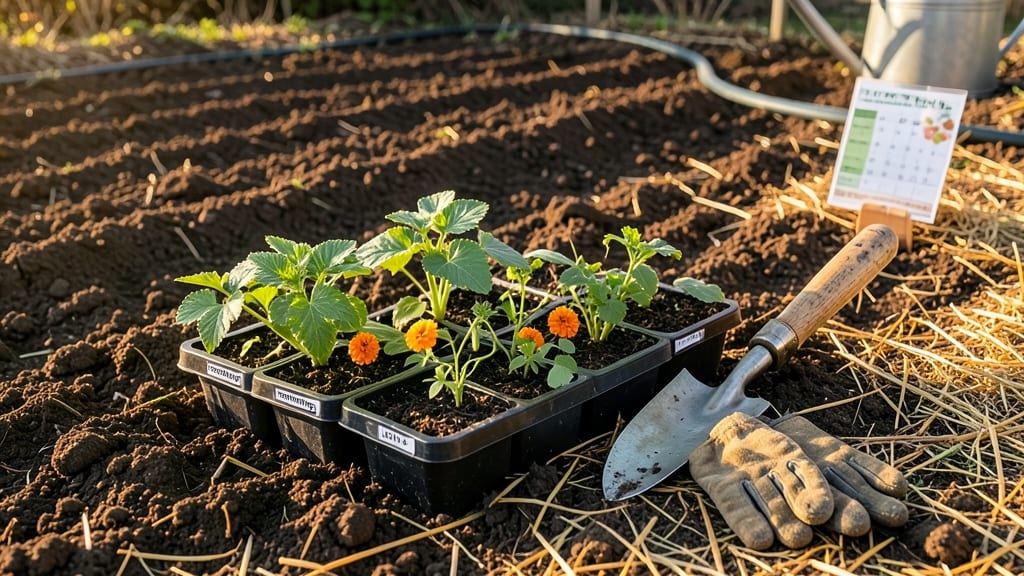
Planting a garden in New Brunswick means timing it right to beat the frost — aim for mid-April to mid-May for spring crops and early August to early September for fall harvests.
New Brunswick’s unpredictable climate can make or break your garden—planting at the wrong time means wasted seeds and stunted growth. But timing it right unlocks a bountiful harvest, even in Canada’s shortest growing season.
Cool-season crops like 🥕 kale and potatoes thrive when soil warms to 50°F (10°C) after the last frost, while tomatoes and peppers need two weeks of warm weather before going in. Missing the window? No problem—we’ll show you how to stretch the season with simple tricks.
Below, you’ll find a month-by-month planting guide tailored to New Brunswick’s Zone 5b, plus frost charts by region so you never guess again. Ready to grow?
New Brunswick’s frost dates and safe planting windows by region
New Brunswick’s frost dates can vary dramatically between regions, making it critical to know when to plant your cool-season and warm-season crops. Fredericton, Saint John, and Moncton each have slightly different last spring frost and first fall frost dates, which directly impact your planting schedule.
Getting these dates wrong can mean the difference between a thriving garden and lost seeds.
For Fredericton, the average last spring frost typically occurs around May 15, while the first fall frost arrives by October 10. In Saint John, coastal influences delay spring frost to about May 20, but the fall frost hits earlier, around October 5.
Moncton’s last frost is usually May 10, with the first frost arriving by October 15, giving it the shortest growing season of the three.
Rural areas often experience earlier frosts than cities due to cooler microclimates. If you’re gardening in a rural NB location, expect your last frost to be around May 5-10 and your first frost to arrive by October 1-5.
Always check local frost-free days—Fredericton averages 160 days, while Saint John gets 170 days.
Here’s how to use these dates for cool-season crops like kale, peas, and lettuce: Plant them 4-6 weeks before your last frost.
For warm-season crops such as tomatoes, peppers, and cucumbers, wait until 2 weeks after your last frost and plant 8-10 weeks before your first frost for a fall harvest.
🌱
| Region | Last Spring Frost | First Fall Frost | Frost-Free Days | Cool-Season Planting Window | Warm-Season Planting Window |
|---|---|---|---|---|---|
| Fredericton | May 15 | October 10 | 160 days | April 15 - May 15 | May 30 - August 15 |
| Saint John | May 20 | October 5 | 170 days | April 1 - May 20 | June 1 - August 20 |
| Moncton | May 10 | October 15 | 155 days | April 1 - May 10 | May 25 - August 10 |
| Rural Areas | May 5-10 | October 1-5 | 145-155 days | March 25 - May 5 | May 20 - August 5 |
For Fredericton gardeners, your warm-season crops like tomatoes and peppers should go in the ground by May 30 to avoid late frosts. Use row covers if planting earlier to protect tender seedlings.
In Saint John, you have a slightly longer window, but coastal winds can still damage young plants, so harden them off properly before transplanting.
If you’re growing potatoes or onions, plant them as early as March 15 in rural areas or April 1 in cities to take advantage of cooler soil temperatures.
Best crops to plant in New Brunswick by month (with local expert tips)
New Brunswick’s short growing season demands smart planning—start with cool-season crops like kale and spinach in early spring, then transition to tomatoes and peppers after the last frost.
Local Master Gardeners recommend using frost dates as your guide, not calendar months, since frost can arrive as early as mid-October or as late as November.
For Zone 5b, aim to plant hardy greens by late April and warm-season crops by mid-May. Fall planting starts in early August for a late harvest. Below are the best crops for each month, plus pro tips to maximize your yield in New Brunswick’s climate.
Pro tip: Use succession planting for lettuce and radishes—sow every 2 weeks from May to August for a steady supply. Local gardeners also swear by companion planting, like pairing basil with tomatoes to deter pests naturally.
Don’t overlook herbs like parsley and cilantro, which thrive in New Brunswick’s cool summers. Plant them in partial shade to prevent bolting. For flowers, try nasturtiums—they’re edible, pest-repellent, and bloom all season long.
Remember: Soil temperature matters more than air temperature. Use a soil thermometer to confirm 50°F (10°C) for cool crops and 60°F (15°C) for warm crops before planting. Happy growing!