
Planting
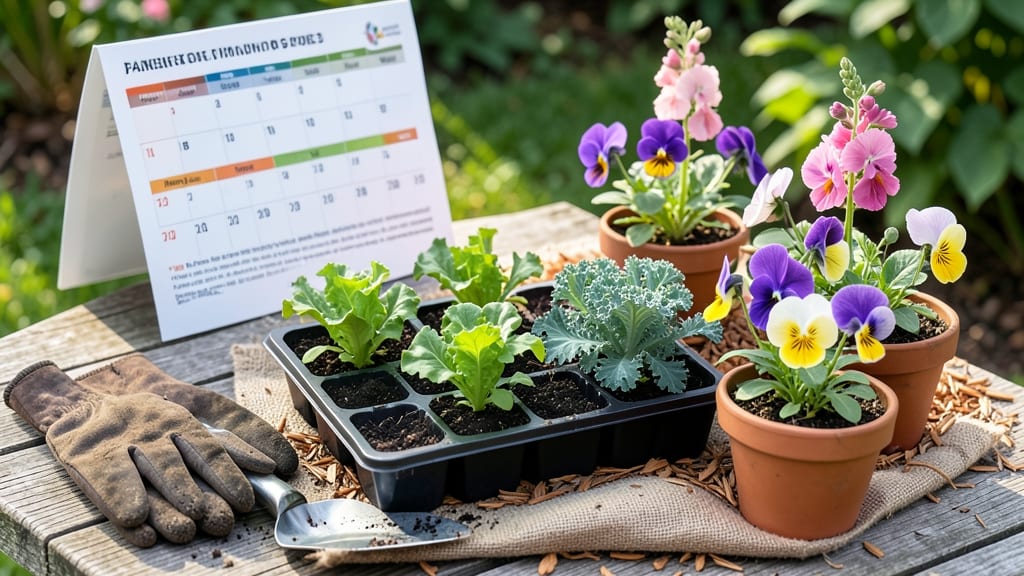
Planting a garden in Pennsylvania at the right time means the difference between a lush harvest and a sad, wilted disappointment.
Pennsylvania’s diverse microclimates—from the humid Appalachians to the cooler northern valleys—mean your garden’s success hinges on planting at the perfect time. Get the wrong timing, and your tomatoes might bolt or your peppers fail to thrive. But nail these deadlines, and you’ll enjoy a bountiful harvest that rivals the pros.
Whether you’re in Zone 6b (like Pittsburgh) or Zone 7a (like Lancaster), the last frost date isn’t the only factor. Soil temperature, local weather patterns, and even your yard’s microclimate play a role.
I’ll break down the exact windows for cool-season crops like lettuce and warm-season favorites like peppers, so you can plant with confidence.
Ready to transform your backyard into a thriving 🌱 General Garden? Here’s how to time it perfectly—and avoid the most common mistakes Pennsylvania gardeners make.
Pennsylvania planting deadlines by Zone 6b vs. 7a: exact dates for vegetables, flowers, and herbs
Pennsylvania’s Zone 6b (Pittsburgh, Scranton) and Zone 7a (Harrisburg, Lancaster) share similar growing seasons but differ by 2-3 weeks in critical planting windows.
The average last frost date shifts from April 20th in Zone 6b to April 10th in Zone 7a, while the first frost arrives October 20th in Zone 6b and October 10th in Zone 7a. These differences mean your tomatoes or peppers could bolt if planted too early in Zone 6b, while Zone 7a gardeners risk stunted growth if they wait too long.
For cool-season crops like spinach and kale, Zone 6b gardeners should start seeds indoors by March 15th and transplant 4-6 weeks before last frost. In Zone 7a, you can push this to March 25th indoors and direct-sow outdoors by April 1st.
Meanwhile, warm-season crops such as beans and squash wait until May 15th in Zone 6b but can go in May 1st in Zone 7a.
Soil temperature is just as critical as frost dates. Most warm-season plants need soil at 60°F+, which Zone 6b often hits 2 weeks later than Zone 7a. Use a soil thermometer to confirm readiness—don’t risk transplanting tomato seedlings into cold soil, or they’ll shock and stall.
Here’s how the key deadlines compare for your Zone 6b vs. 7a garden:
Outdoors: April 10
Outdoors: April 1
Outdoors: May 15
Outdoors: May 1
Basil: May 15
Basil: May 1
For tomatoes and peppers, timing is everything. In Zone 6b, start seeds March 1st indoors and transplant after May
How to adjust planting times for Pennsylvania’s microclimates: urban heat islands, mountain slopes, and river valleys
Pennsylvania’s microclimates can feel like entirely different gardening worlds. In Philadelphia’s urban heat islands, asphalt and buildings trap heat, warming soil 2-3 weeks earlier than rural areas. Meanwhile, the Poconos’ mountain slopes stay cooler, delaying planting by 10-14 days.
Even river valleys like the Susquehanna create localized humidity that extends growing seasons by 3-4 weeks near water.
These variations mean your neighbor’s perfectly timed tomato plants might struggle in your yard. The key is adjusting planting deadlines based on your specific conditions.
I’ll show you how to identify your microclimate and modify standard planting charts accordingly—so you can avoid bolting lettuce or stunted peppers caused by misjudging your local climate.
- Urban Areas (e.g., Philly, Pittsburgh): Plant warm-season crops 1-2 weeks earlier (soil warms faster). Start tomatoes April 15 instead of May 1.
- Mountain Regions (e.g., Poconos, Allegheny Plateau): Delay planting by 7-10 days. Wait until May 10 for peppers in Zone 6b areas.
- River Valleys (e.g., Susquehanna, Delaware): Extend fall planting by 2 weeks. Try a second crop of spinach in late September.
- North-Facing Yards: Plant heat-loving crops like okra or sweet potatoes in June instead of May.
- South-Facing Slopes: Start cool-season crops 3 weeks earlier. Sow carrots by March 1 instead of March 22.
To assess your microclimate, start by observing your yard for 3 days. Note where morning sun hits first (likely your warmest spot) and where frost lingers (usually low-lying areas).
Use a soil thermometer to check if your soil reaches 50°F (ideal for cool crops) or 60°F (needed for warm crops) 1-2 weeks earlier than your neighbors’.
For example, if your Zone 6b garden in the city hits 60°F soil by April 20 (instead of April 27), you can plant tomatoes and peppers 2 weeks early. In contrast, a mountain garden might only reach that temperature by May 5, requiring a delayed start.
Near large bodies of water, humidity helps retain warmth, so you can often plant fall crops 10 days later than inland areas.
Pro tip: Use row covers in cooler microclimates to create a 5-10°F warmer environment, effectively extending your planting window. In urban heat islands, provide afternoon shade for heat-sensitive crops like cucumbers or squash to prevent bolting.
These small adjustments can mean the difference between a bountiful harvest and a disappointing yield.
Remember, Pennsylvania’s microclimates aren’t just about zones—they’re about localized conditions. By paying attention to your specific environment and adjusting your planting timeline accordingly, you’ll give your garden the best chance to thrive, no matter where you live in the state. Happy planting! 🌱