Planting
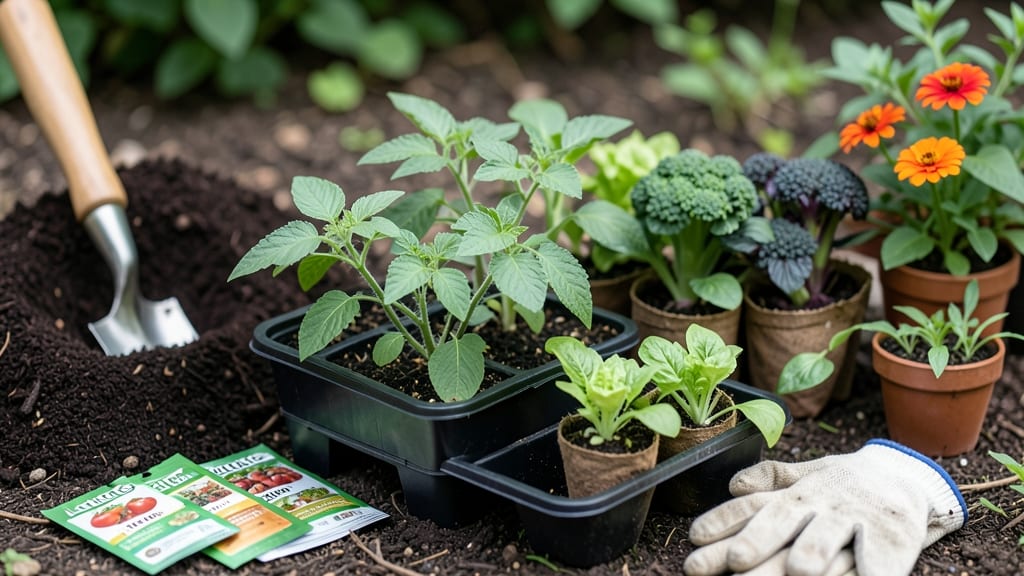
Planting a garden in Virginia requires precise timing—cool-season crops like spinach and broccoli need to hit the soil 4-6 weeks before your last frost, while tomatoes and peppers demand warmth after that danger zone passes.
Virginia gardeners know timing is everything—plant too early, and frost will strike; too late, and your harvest suffers. With USDA Zone 7b’s 150-210 frost-free days, missing the window by even a week can mean the difference between a bumper crop and a disappointing one.
This guide breaks down the exact planting windows for your region, whether you’re in the Piedmont’s cooler microclimates or the Tidewater’s milder zones. We’ll cover soil prep, frost dates, and how to adjust for clay-heavy soils or sandy patches.
By the end, you’ll know not just when to plant, but how to maximize every growing season—from early spring lettuce to late-fall kale—so your garden thrives year after year.
Virginia USDA Zone 7b planting calendar: key deadlines by crop type
Mastering Virginia’s USDA Zone 7b planting schedule means aligning your garden with nature’s rhythm. The last frost date typically falls between March 15–April 15, while the first frost arrives around September 15–October 15.
These dates create a tight window for warm-season crops and a broader one for cool-season varieties. In elevated areas like the Blue Ridge Mountains, frost can arrive 2–3 weeks earlier, while coastal regions like Tidewater enjoy 10–14 extra frost-free days.
Cool-season crops like spinach and broccoli thrive when planted 4–6 weeks before the last frost, often in late February or early March. Warm-season staples such as tomatoes and peppers need to wait until soil temperatures reach 60°F+, usually 2–3 weeks after the last frost.
Perennials like asparagus and rhubarb benefit from early spring planting, while herbs like basil should only go in after the soil warms thoroughly.
⚠️ NON-NEGOTIABLE: Always check your local Virginia Cooperative Extension resources for microclimate adjustments. A 5°F difference can shift planting windows by 2–3 weeks, especially in valleys vs. ridges. For example, Charlottesville’s Piedmont region might see frost 1 week earlier than Richmond’s coastal plain.
Here’s your Virginia Zone 7b planting calendar, broken down by crop type and aligned with frost dates:
| Crop Type | Planting Window | Key Deadlines | Notes for Virginia |
|---|---|---|---|
| Cool-Season Vegetables | Late Feb–Early Mar (Spring) / Aug–Early Sep (Fall) | 4–6 weeks before last frost (Mar 15–Apr 15) | Spinach, kale, broccoli. Use row covers for early starts. |
| Warm-Season Vegetables | Mid-Apr–Early May (Spring) / Late Jul–Early Aug (Fall) | 2–3 weeks after last frost (soil ≥60°F) | Tomatoes, peppers, cucumbers. Test soil with thermometer. |
| Perennials (Asparagus, Rhubarb) | Early Spring (Mar–Apr) | Before active growth begins (avoid frost) | Plant crowns 2–3 inches deep in well-drained soil. |
| Herbs (Basil, Cilantro) | Late Apr–Early May (Spring) / Late Jul (Fall) | After soil warms to 60°F+ | Basil hates frost; cilantro bolts in heat. |
| Flowers (Marigolds, Zinnias) | Late Apr–Early May (Spring) / Late Jul (Fall) | After last frost (soil ≥55°F) | Direct-sow seeds; avoid transplants in heat. |
For warm-season crops, timing is critical—plant tomatoes too early, and they’ll rot in cold soil. Instead, use black plastic mulch to warm the soil 2–3 weeks faster in cooler Piedmont regions. In Tidewater, you can push planting dates 1–2 weeks later thanks to milder winters.
Fall planting offers a second chance for cool-season crops. Sow spinach and radishes by mid-August to harvest before the first frost. Use cold frames to extend harvests into November in sheltered microclimates. Just remember: broccoli planted after September 15 risks bolting before maturity.
Perennials like asparagus and strawberries benefit from early spring planting but can also be established in early fall (by September 15) for root development. Herbs like oregano and thyme are perennial workhorses—plant them in spring or fall and they’ll return year after year with minimal care.
Pro tip: Mark your calendar for succession planting. In Virginia’s short growing season, every 2 weeks counts. For example, sow lettuce every 10 days from March to September to ensure a continuous harvest. This strategy works especially well for bush beans and carrots, which mature quickly.
Don’t forget to account for soil temperature. Use a soil thermometer to confirm warmth before planting warm-season crops. In lowland areas, soil warms 1–2 weeks earlier than elevated sites. If your soil is still below 55°F in May, wait—pepper seeds won’t germ
How to adjust planting times for Virginia’s microclimates and soil conditions
Virginia’s diverse geography—from the cool Piedmont highlands to the warmer Tidewater coast—creates unique challenges for gardeners. In Charlottesville’s Zone 7a, frost lingers longer, while Norfolk’s Zone 8a enjoys extended growing seasons. These differences mean your planting deadlines should shift based on your exact location, not just the state average.
Even within a single county, soil conditions can drastically alter your success. Clay-heavy soils in the Blue Ridge retain moisture but bake in summer, while sandy soils near the Coastal Plain drain too quickly.
Adjusting your approach—whether through row covers, cold frames, or succession planting—can turn these challenges into opportunities for a longer harvest.
- 🌡️ Piedmont (Charlottesville): Wait until April 15 for warm crops like tomatoes; use row covers to extend spring by 3-4 weeks.
- 🌊 Tidewater (Norfolk): Start warm-season crops by March 15; fall planting can continue until November 1.
- 🏡 Urban Heat Islands: Cities like Richmond get 5-10°F warmer than rural areas—plant heat-loving crops like okra 2 weeks earlier.
- 🌱 Clay Soils: Amend with compost + sand (1:1 ratio) to improve drainage; plant deep-rooted crops (carrots, asparagus) first.
- ⏳ Succession Planting: In sandy soils, sow fast-maturing crops (radishes, lettuce) every 2 weeks to prevent washouts.
- ☀️ Cold Frames: Extend fall harvests in Zone 7a by 6-8 weeks for greens and root veggies.
For Piedmont gardeners, I recommend starting cool-season crops like spinach and peas in early March under frost cloth. This gives you a head start before the last frost, while still protecting tender seedlings.
In Tidewater, you can push the envelope further—direct-sow tomatoes as early as March 20 if nighttime temps stay above 50°F.
Soil prep is just as critical. If your garden has clay soil, mix in aged compost and coarse sand to create pockets for roots. For sandy soils, add peat moss or coconut coir to retain moisture.
A simple jar test (fill a jar with soil and water, shake, then measure drainage time) will tell you if your soil holds water too long or drains too fast.
Don’t overlook succession planting—this technique lets you stagger harvests and maximize space. In sandy soils, where crops mature quickly, I plant bush beans every 10 days from May through July. Meanwhile, in clay soils, I focus on longer-season crops like cabbage, which thrive with consistent moisture.
Pro tip: Use cold frames or low tunnels to create microclimates within your garden. A simple PVC hoop house with plastic sheeting can add 10-15°F of warmth, letting you plant spinach in October or kale in November—months earlier than the state average.