Planting
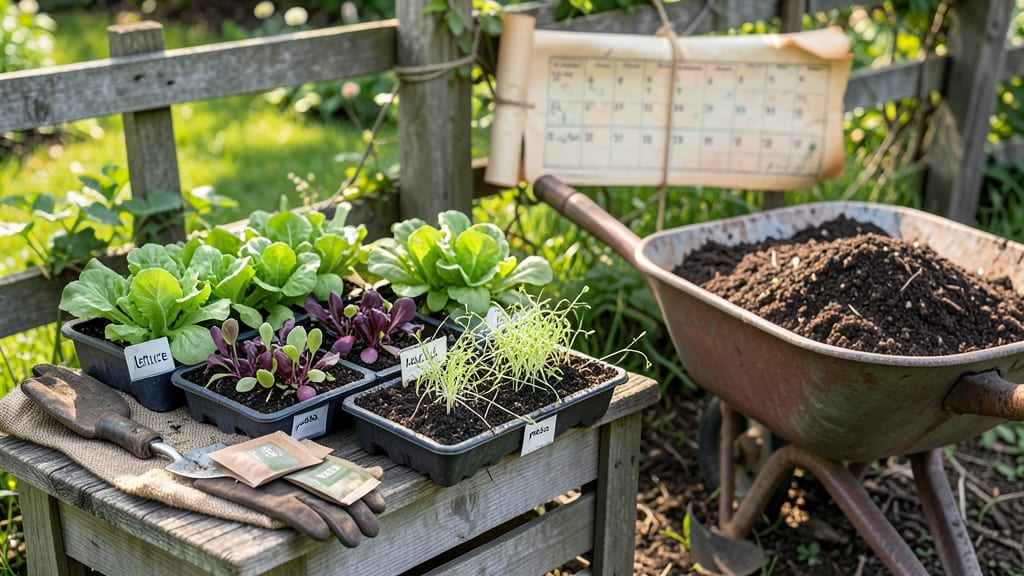
Planting a garden at the right time ensures strong starts, fewer pests, and a bountiful harvest—so timing your crops by zone and season is the key to success.
Timing your garden planting by hardiness zone and crop type can mean the difference between a thriving harvest and wasted seeds—so why guess when you can plant with precision?
Whether you're in Zone 6a or a warmer climate, knowing when to start seeds indoors, when to transplant seedlings, and which crops thrive in early spring versus late summer makes all the difference.
Below, I break down the exact planting months for your region, how to adjust for frost dates, and even how moon phases can play a role—so you can grow with confidence, no matter your experience level.
Best planting months by USDA hardiness Zone & crop type
Planting your garden at the right time isn't just about luck—it's a science based on your USDA hardiness zone, crop type, and frost-free dates. Cool-season crops like kale and peas thrive when temperatures dip, while warm-season favorites such as tomatoes and peppers need consistent warmth.
Even a few weeks off can stunt growth or invite pests, so let's break down the exact windows for your region.
First, find your USDA zone (3-11) using the USDA Plant Hardiness Zone Map. Then, calculate your average last frost date in spring and first frost date in fall—these are your planting bookends.
For example, Zone 5 gardeners might plant cool-season crops in March-April, while Zone 9 can extend planting into November for warm-season crops.
Here’s a quick guide to help you visualize the best planting months for common crops across zones, including whether to start indoors or direct-sow:
For cool-season crops like lettuce or spinach, aim to plant 4-6 weeks before your first frost in fall. In Zone 5, that’s typically August-September, while Zone 9 can plant into November.
Warm-season crops like cucumbers or squash need soil temperatures above 60°F, so wait until after your last frost date—usually May-June in cooler zones.
Herbs like basil and cilantro have unique needs: basil thrives in heat and should wait until soil warms, while cilantro bolts in summer heat—plant it in early spring or late summer for best results. Always check seed packets for specific days to maturity to avoid late-season failures
How to adjust planting times for early spring or late fall harvests
Want to squeeze extra harvests from your garden? Adjusting planting times for early spring or late fall harvests is all about working with—not against—your climate.
Whether you're in a cool coastal zone or a hot inland region, these strategies let you grow fresh produce when others are packing up for the season.
Urban gardeners with limited space can use succession planting and microclimate tweaks to extend seasons, while rural growers might rely on cold frames or row covers. The key is understanding how to time plantings so crops mature before frost or heat stress sets in.
- 1 Start with succession planting: Sow fast-growing crops like radishes or lettuce every 2-3 weeks to ensure a continuous harvest. For tomatoes or peppers, stagger plantings by 2 weeks for extended production. 🌱
- 2 Use row covers: Lightweight floating row covers add 4-8°F protection, letting you plant cool-season crops like spinach or kale 3-4 weeks earlier in spring or later in fall. Secure edges with soil or bricks to prevent wind damage. 🌿
- 3 Leverage cold frames: A cold frame (unheated glass box) can extend the season by 6-8 weeks. Plant hardy greens like swiss chard or arugula in late summer for fall/winter harvests. Monitor soil temps—ideal range is 40-50°F. ❄️
- 4 Adjust for microclimates: Urban gardens near buildings or paved areas stay 5-10°F warmer than rural fields. Plant heat-sensitive crops like cucumbers against south-facing walls in spring. In fall, use black plastic mulch to warm soil for late plantings. ☀️
- 5 Choose frost-tolerant varieties: Opt for cold-hardy cultivars like 'Winter Density' kale or 'Arctic King' cabbage. These survive 20-25°F temps and often taste sweeter after frost. Check seed packets for "days to maturity" and adjust planting dates accordingly. ❄️🌻
For early spring plantings, focus on cool-season crops like peas, broccoli, and carrots. In USDA Zone 5, start seeds indoors 6-8 weeks before your last frost date, then transplant after soil reaches 40°F. Use seedling heat mats to speed germination in cold soil.
In late fall, prioritize root vegetables (beets, turnips) and leafy greens that sweeten with frost. In Zone 7, plant spinach or radishes 6-8 weeks before your first frost. Mulch heavily with straw to insulate roots and prevent freezing.
Pro tip: Track your garden’s microclimate for a year. Note where frost lingers longest (often in low-lying areas) and where heat pools (like paved surfaces). Use this data to fine-tune planting times for future seasons.