
Planting
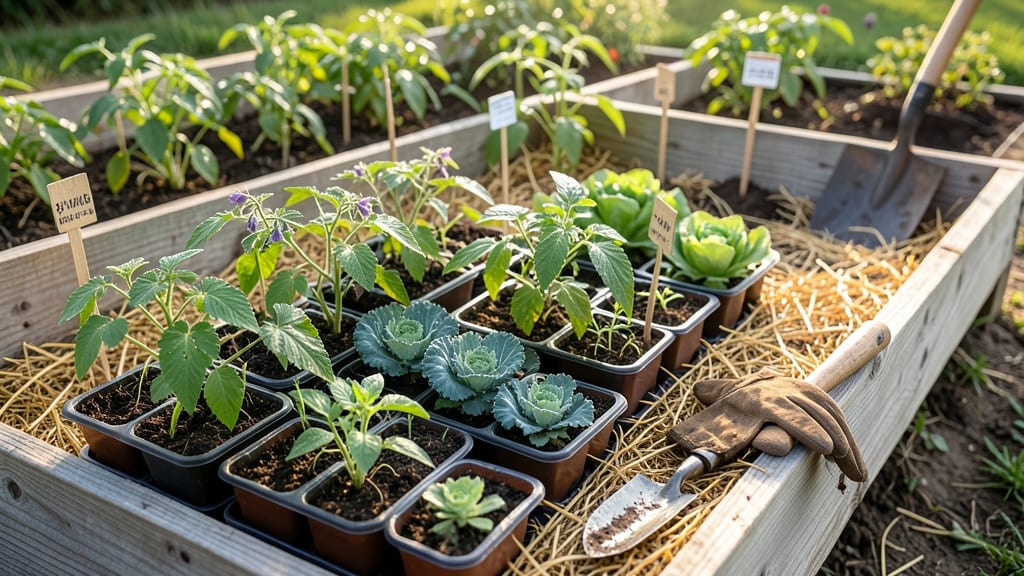
Planting a vegetable garden in New Jersey at the right time means the difference between a bountiful harvest and a sad, stunted mess.
New Jersey’s unpredictable spring weather can turn a gardener’s best-laid plans into a guessing game—unless you know the exact frost dates and ideal planting windows for each vegetable. Timing is everything in NJ gardening, and missing it by even a week can mean stunted plants or lost harvests.
From cool-season greens like spinach and kale to heat-loving tomatoes and peppers, the best planting months vary wildly. Inland areas like Zone 6b have earlier last frost dates than coastal spots in Zone 7a, and a single late freeze can wipe out your hard work.
Here’s what you need to know: the month-by-month planting schedule for NJ, how to stretch your growing season with simple tricks, and the one mistake that ruins more gardens than anything else.
NJ frost dates and planting zones: the critical timeline for vegetable success
New Jersey spans USDA Hardiness Zones 6b to 7a, meaning our last spring frost typically arrives between April 15 and May 15, while the first fall frost hits October 15 to November 1.
These dates create a 150- to 180-day growing season—just enough time for warm-season crops to thrive if planted at the right moment. Missing these windows by even a week can stunt growth or kill tender seedlings overnight.
Your exact planting timeline depends on your county. Coastal areas (like Cape May) enjoy 2-3 weeks earlier last frosts than inland regions (like Sussex County).
For precise guidance, use the NJ Agricultural Experiment Station’s frost date calculator—I always check this before sowing my tomatoes and peppers to avoid frost damage.
Cool-season vegetables (spinach, kale, peas) can handle light frosts and should be planted 4-6 weeks before your last frost date.
Warm-season crops (tomatoes, cucumbers, beans) need soil temperatures above 60°F and should wait until 2 weeks after your last frost—I’ve learned this the hard way with my melon seedlings!
Here’s how NJ’s planting zones break down by county, along with your critical frost dates and ideal planting windows for both cool- and warm-season crops:
| County | Zone | Avg. Last Frost | Avg. First Frost | Cool-Season Planting | Warm-Season Planting |
|---|---|---|---|---|---|
| Atlantic | 7a | April 20 | October 30 | March 15–April 15 | May 1–May 15 |
| Bergen | 6b | April 25 | October 20 | March 1–April 10 | May 10–May 25 |
| Cape May | 7a | April 15 | November 5 | March 1–April 10 | April 25–May 10 |
| Sussex | 6b | May 5 | October 10 | April 1–May 1 | May 20–June 1 |
| Essex | 6b | April 30 | October 15 | March 15–April 15 | May 15–May 30 |
For cool-season crops, I always start seeds indoors 6-8 weeks before the last frost date. This gives seedlings a head start—broccoli and cabbage need time to establish roots before cooler weather sets in. If you’re planting directly outdoors, use row covers to protect young plants from late frosts.
Warm-season crops like tomatoes and peppers are far more forgiving if you wait too long. I’ve had success planting them as late as June 1 in Zone 6b, though yields may be smaller.
The key is soil temperature: Use a soil thermometer to confirm it’s above 60°F before sowing.
Best vegetables to plant in NJ by month: a month-by-month cheat sheet
New Jersey’s diverse microclimates—from coastal breezes to inland heat—mean your planting schedule should adapt. Whether you’re a first-time gardener or a seasoned pro, knowing the ideal planting windows for each vegetable maximizes your harvest.
Below is my month-by-month guide, tailored to NJ’s Zone 6b-7a frost dates and regional growing conditions.
I’ve organized this by cool-season crops (hardy to frost) and warm-season crops (needing warmth), with notes on succession planting to keep your garden productive all season. For example, spinach thrives in early spring and fall, while tomatoes need to wait until after the last frost—usually mid-May in most of NJ.
- 📅 February: Start cool-season crops indoors—broccoli, cabbage, and onions. Direct-sow peas and spinach if soil isn’t frozen.
- 📅 March: Plant kale, lettuce, and radishes outdoors. Harden off tomato and pepper seedlings for late-April transplanting.
- 📅 April: Direct-sow carrots, beets, and green beans. Watch for last frost (varies by county—check April 15-30 for most areas).
- 📅 May: Transplant tomatoes, peppers, and eggplants after frost. Sow cucumbers and squash for summer harvests.
- 📅 June: Plant okra, sweet potatoes, and late beans. Succession-sow lettuce and radishes for fall harvests.
- 📅 July: Direct-sow turnips and collard greens for fall. Watch for bolting in heat-sensitive crops like spinach.
- 📅 August: Plant garlic and hardy greens for winter harvests. Start cool-season crops indoors for early spring.
- 📅 September: Transplant broccoli and cabbage seedlings. Extend season with row covers for kale and spinach.
- 📅 October: Sow cover crops (like clover) to protect soil. Harvest remaining warm-season crops before first frost.
For coastal NJ (like Cape May), delay warm-season crops by 1-2 weeks due to cooler temperatures. Inland areas (e.g., central NJ) can plant tomatoes and peppers slightly earlier. Always check soil temperature—warm-season crops need soil at 60°F+ to thrive.
Pro tip: Use succession planting for bush beans and lettuce every 2 weeks to ensure a continuous harvest. For example, sow lettuce in March, June, and August for spring, summer, and fall crops. This keeps your garden productive even as seasons shift.
Don’t forget to rotate crops yearly to prevent soil depletion and disease. For instance, plant tomatoes where beans grew last year—they’re in different plant families and share fewer pests.
NJ’s short season demands smart planning, but with this guide, you’ll maximize yields and enjoy fresh veggies from spring to fall.