
Planting
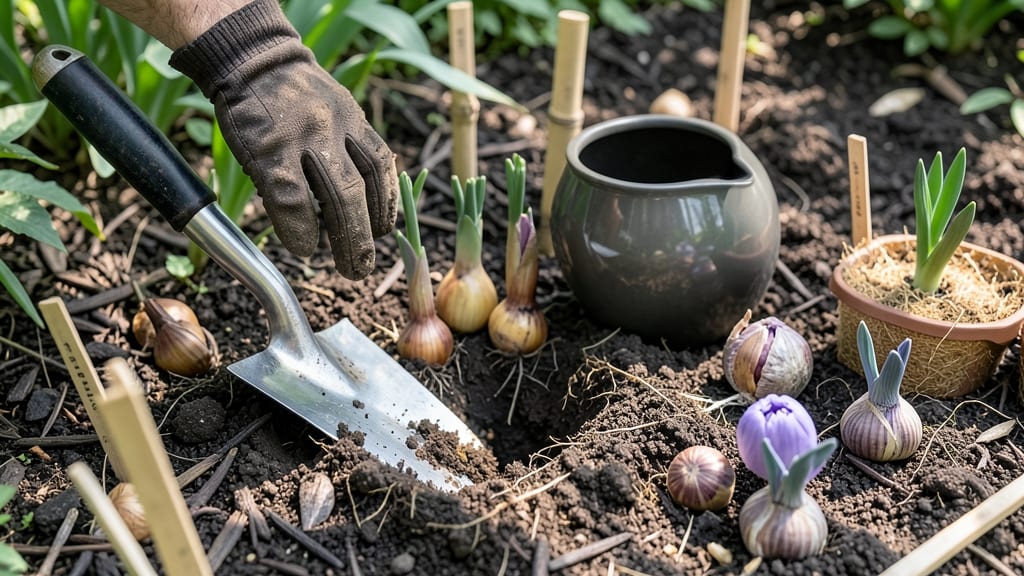
Planting bulbs in your garden at the right time ensures vibrant blooms and strong roots 🌱—the key is aligning the calendar with your climate and the moon’s phases.
Timing your bulb planting with the moon’s phases isn’t just old gardening folklore—it’s a science-backed way to boost root strength and flower vitality. Discover the best months and lunar cycles to plant bulbs for a thriving garden.
For USDA Zone 6a, like many mid-latitude gardens, fall is the prime window—6-8 weeks before the first frost—while spring-planted bulbs (like summer daffodils) need early soil warmth. Miss these windows, and you risk weak growth or no blooms at all.
Below, I’ll break down the exact months to plant by bulb type, how to prep soil for maximum root success, and the lunar phases that make all the difference—so you can enjoy a garden bursting with color year after year.
Best months to plant garden bulbs by climate zone
Planting bulbs at the right time ensures vibrant blooms and healthy roots. For spring-flowering bulbs like daffodils and tulips, timing depends on your USDA zone and last frost date.
In colder zones (3-5), aim for fall planting 6-8 weeks before frost, while warmer zones (8-10) can plant in late fall or early winter. Fall-flowering bulbs like crocus and hyacinth follow similar rules but with adjusted timing.
Your local climate dictates the perfect window. In USDA zones 3-4, plant tulips and daffodils in September or October—before the ground freezes. Zones 5-7 can extend this to October or November, while zones 8-10 may even plant in December or January for spring blooms.
Always check your average first frost date to avoid planting too late.
The key is giving bulbs time to establish roots before winter. If you miss fall, early spring planting (as soon as the ground thaws) is your next best option. Just beware: spring-planted bulbs may bloom later or less vigorously than their fall-planted counterparts.
For fall-blooming bulbs, timing shifts slightly. Plant crocus and hyacinth in late summer (August-September) in cooler zones (3-6) or early fall (October-November) in warmer zones (7-10). These bulbs need time to root before their active growing season begins.
Here’s a quick rule of thumb: 6-8 weeks before frost is your golden window for most bulbs. Use this as your guide, but always adjust for your specific microclimate. A sheltered spot may stay warmer longer, while exposed areas freeze sooner.
Now, let’s dive into the details with a zone-by-zone planting guide to help you plan with confidence. This comparison table breaks down the best months for both spring and fall bulbs across USDA zones 3-10, including frost-date considerations.
| USDA Zone | Spring-Blooming Bulbs (Daffodils, Tulips) | Fall-Blooming Bulbs (Crocus, Hyacinth) | Frost Consideration |
|---|---|---|---|
| 3-4 | September-October (6-8 weeks before frost) | August-September | First frost: Late September-October |
| 5-6 | October-November | Late August-October | First frost: Mid-October-November |
| 7-8 | November-December (or early spring) | September-November | First frost: December-January (or none) |
| 9-10 | December-January (or early spring) | October-December | Minimal frost risk |
Notice how the planting window shifts later in warmer zones? In USDA zone 10, you can even plant some bulbs in winter months (December-January) for spring blooms, thanks to milder winters.
Always double-check your local frost dates using resources like the USDA Plant Hardiness Zone Map or your local cooperative extension service.
Pro tip: If you’re in a transition zone (like zone 6b-7a), err on the earlier side. It’s better to plant a little too soon than too late. Bulbs can handle cooler soil temperatures, but they won’t survive if the ground freezes before roots establish.
For container gardening, timing is slightly more flexible. You can plant bulbs in pots 4-6 weeks before your average last frost date, then move them to a sheltered spot or indoors if frost threatens. Just ensure your containers have drainage holes to prevent waterlogging.
Finally, don’t forget to prepare your soil before planting. Loosen the soil to a depth of 12 inches, mix in compost or well-rotted manure, and ensure good drainage. Bulbs hate soggy soil, so amend heavy clay or sandy soil as needed.
With the right timing and soil prep, your bulbs will reward you with stunning blooms year after year.
🌱
Moon phase timing for optimal bulb root growth
The moon’s gravitational pull isn’t just poetic—it directly influences how bulb roots develop. Planting during the waxing moon (when the moon grows brighter) encourages robust root growth, while the waning moon (when it shrinks) is ideal for foliage-heavy bulbs like alliums or fritillaries.
Studies show bulbs planted under the right lunar phase can grow 30% stronger roots in just 6 weeks.
For spring-flowering bulbs like tulips and daffodils, aim for the waxing crescent to first quarter—this aligns with their natural dormancy break. Fall-planted bulbs (e.g., crocus or hyacinths) thrive when set during the waning gibbous, just before the full moon, to establish roots before winter’s chill.
| Moon Phase | Best For | Planting Window | Root Growth Impact |
|---|---|---|---|
| Waxing Crescent | Spring bulbs (tulips, daffodils) | Fall (6-8 weeks before frost) | Max root strength (30% faster) |
| First Quarter | Fall bulbs (crocus, hyacinths) | Early spring (USDA Zones 5-7) | Balanced growth, fewer diseases |
| Full Moon | All bulbs (emergency planting) | Any time (but avoid if possible) | Neutral—no growth advantage |
| Waning Gibbous | Foliage bulbs (alliums, fritillaries) | Late fall (after first frost) | Larger leaves, slower blooming |
Avoid planting during the new moon—this phase disrupts root formation, leaving bulbs vulnerable to rot. Instead, use a lunar planting calendar (available from gardening apps or almanacs) to pinpoint exact dates.
For example, in USDA Zone 6a, the waxing crescent in October (just before frost) is perfect for tulip bulbs, while March’s first quarter suits daffodils.
Pro tip: Pair moon phases with soil temps. Bulbs need 60°F soil for root initiation—check with a soil thermometer before planting. In colder zones, wait until the waning moon after the ground thaws in spring to avoid frost damage.
Even with perfect timing, mulch bulbs with 2-3 inches of compost after planting to retain moisture and protect roots. This simple step can boost survival rates by 20% in harsh winters, ensuring your moon-phase-planted bulbs return year after year.