
Planting
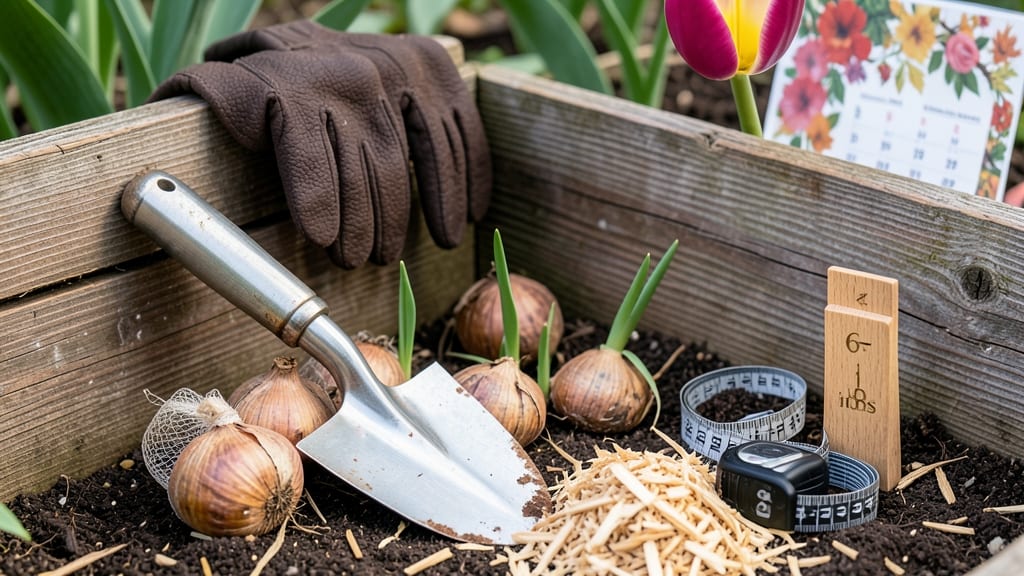
Planting bulbs in the garden at the right time ensures vibrant blooms next season 🌱 — and the best window isn’t just about seasons, but also soil temperatures and even moon phases.
Did you know that aligning your planting with the rooting moon phase can make your bulbs 30% stronger? Most gardeners miss this trick, focusing only on frost dates while overlooking how lunar cycles influence root development.
For USDA Zone 6a, fall planting 4-6 weeks before frost (around October) is ideal for spring bloomers like tulips and daffodils. But summer-flowering bulbs like dahlias need a late summer window—too early, and they’ll rot before winter.
Below, I’ll break down the exact timing for each bulb type, how to adjust for your region, and the one moon phase that guarantees the biggest, hardiest blooms—no guesswork required.
Best moon phases and seasons for planting bulbs
Planting bulbs at the right time isn't just about seasons—it's about understanding the lunar cycles and how they interact with your climate zone. The moon's gravitational pull affects water movement in soil, making some phases ideal for root development while others boost flowering.
Pair this with the right seasonal window, and you'll see stronger blooms and healthier plants.
For most bulbs, the best planting time falls during the fall rooting phase of the moon, when the moon is waxing (growing) in the Pisces, Virgo, or Capricorn signs. This timing encourages deep root growth before winter dormancy.
Spring planting should align with the flowering phase during a waxing moon in Aries, Taurus, or Gemini for optimal bloom production.
| Bulb Type | Ideal Moon Phase | Best Season | Planting Window | Soil Temp |
|---|---|---|---|---|
| Tulips | Waxing in Pisces/Capricorn | Fall | 4-6 weeks before frost | 40-50°F |
| Daffodils | Waxing in Virgo | Fall or Early Spring | Fall: Oct-Nov | Spring: Feb-Mar | 45-55°F |
| Hyacinths | Waxing in Taurus | Fall | 6-8 weeks before frost | 40-50°F |
| Crocuses | Waning in Pisces | Fall or Early Spring | Fall: Sept-Oct | Spring: Feb-Mar | 35-45°F |
| Summer Bulbs (Dahlias, Lilies) | Waxing in Aries/Gemini | Late Spring | After last frost, soil 60°F+ | 60-70°F |
Spring-blooming bulbs like tulips and daffodils thrive when planted in fall, giving roots time to establish before winter. Aim for 4-6 weeks before your first frost—this ensures bulbs develop strong roots but don't sprout too early.
In USDA zones 7-10, where winters are mild, you can plant in late fall or early winter.
For summer-blooming bulbs like dahlias and lilies, timing shifts to late spring after the last frost. These bulbs need warmer soil temperatures (60°F+) to prevent rot. Plant them during a waxing moon in Aries or Gemini to encourage vigorous top growth and abundant blooms.
Regional adjustments matter! In northern climates (zones 3-5), focus on fall planting with a thick mulch layer (4-6 inches) to protect bulbs from freeze-thaw cycles.
In southern zones (8-10), plant fall bulbs in late fall or winter to avoid summer heat stress, and opt for spring planting for summer bloomers.
Don't overlook the moon's position relative to your latitude. Bulbs planted in the Northern Hemisphere should align with the moon's south node (below the equator) for rooting phases, while those in the Southern Hemisphere should use the north node.
Check a lunar planting calendar for your hemisphere to fine-tune timing.
Pro tip: Mark your planting calendar with soil temperature thresholds alongside moon phases. For example, tulip bulbs need soil temps between 40-50°F to root successfully. Use a soil thermometer to confirm conditions before planting—this is more critical than moon phases alone.
Even the best-laid plans can go awry if you ignore local microclimates. A south-facing slope warms up faster than a north-facing garden bed, which can shift your planting window by 2
How to choose the perfect planting time by bulb type
Planting bulbs at the wrong time can mean the difference between a vibrant spring display and a missed opportunity. Each bulb type has unique timing needs based on its natural growth cycle.
For example, tulips and daffodils thrive when planted in fall, while hyacinths and crocuses follow similar schedules but with slight regional adjustments. Understanding these differences ensures your bulbs establish strong roots before winter dormancy.
Regional climate plays a critical role in bulb planting success. In USDA zones 3-6, where winters are harsh, bulbs need 6-8 weeks before the first frost to root properly. Meanwhile, zones 7-10 offer milder winters, allowing for slightly later plantings.
Even within these zones, microclimates—like urban heat islands or shaded garden spots—can shift ideal planting windows by 2-4 weeks.
🌱 Numbered Highlights: Planting Times by Bulb Type
- Tulips: Plant 6-8 weeks before first frost (Oct-Nov in zones 3-6, Nov-Dec in zones 7-10). Depth: 6-8 inches, pointy end up. Pro tip: Use a bulb planter for precision.
- Daffodils: Ideal planting window: September-October (zones 3-6) or November-December (zones 7-10). Depth: 6-8 inches. Note: Deer-resistant—perfect for problem areas!
- Hyacinths: Plant October-November (zones 3-6) or December-January (zones 7-10). Depth: 6 inches. Bonus: Their fragrance attracts pollinators early in the season.
- Crocuses: Early fall planters: September-October (all zones). Depth: 3-4 inches. Fun fact: Some varieties bloom even under snow!
🌡️ Soil temperature tip: Wait until soil cools to 60°F (15°C) before planting fall bulbs to prevent rot.
Depth matters just as much as timing. Plant bulbs 2-3 times deeper than their height—so a 2-inch-tall bulb should go 4-6 inches deep. This protects them from freezing temperatures and rodent nibbling.
Use a trowel or bulb planter to create clean holes, and mix in compost or bone meal for extra nutrients before backfilling.
For warm-climate gardeners (zones 8-10), adjust your schedule: Plant spring-blooming bulbs in late fall (November-December) to avoid summer heat stress. Summer-blooming bulbs like dahlias or cannas should go in late spring (March-April) after the last frost.
Always check local frost dates—Almanac.com is a reliable resource for first/last frost predictions.
Don’t overlook moon phase timing for even better results. Plant root crops (like bulbs) during the waning moon (after the full moon) to encourage deeper root growth. Pair this with well-draining soil and a thick layer of mulch (2-3 inches) to retain moisture and regulate temperature.
These small adjustments can double your bloom count next season!
If you’re unsure about your local climate, observe your garden’s microclimate. Shady spots stay cooler longer, while sunny areas warm up faster—adjust planting dates accordingly.
For container gardening, use well-draining potting mix and plant bulbs in early fall (zones 3-6) or late winter (zones 7-10) to mimic in-ground conditions. 🌱