
Planting
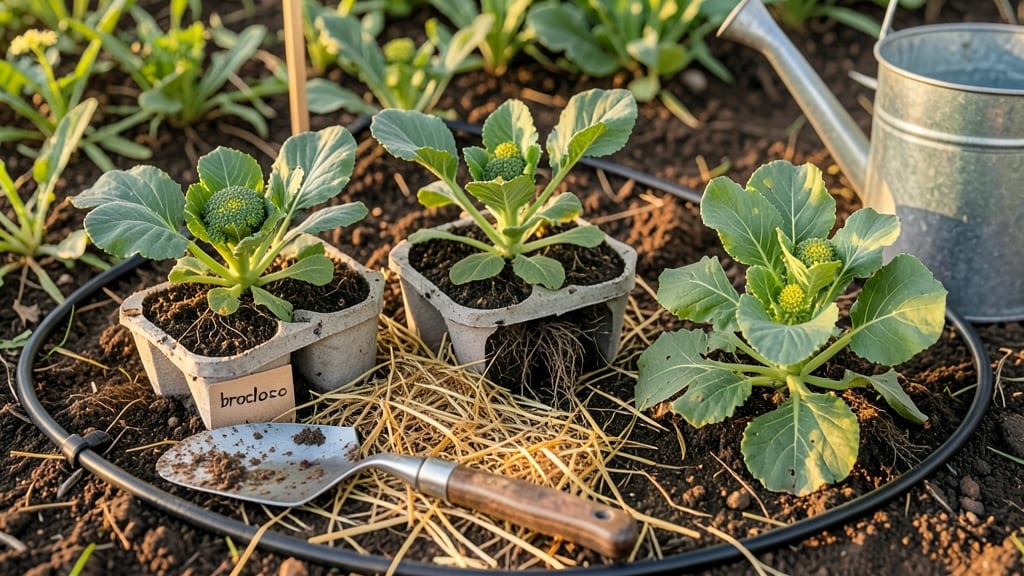
Planting a fall garden in Alabama starts 6-8 weeks before your first frost—typically mid-August to early October—when soil temperatures dip and humidity levels ease just enough for heat-tolerant crops to thrive.
Alabama’s long, hot summers can leave gardeners wondering if a fall harvest is even possible—but with the right timing and heat-tolerant crops, you can thrive in Zone 7B’s extended growing season. Missing the window by even a week could mean stunted plants or pests taking over.
This guide breaks down the exact planting dates for Alabama’s top fall crops, from sweet potatoes to collards, while accounting for Alabama’s unpredictable frost patterns and soil conditions.
You’ll learn how to stretch your harvest into December, avoid common mistakes, and even troubleshoot late-season challenges like humidity and sporadic cold snaps.
Alabama fall planting timeline: exact dates for heat-tolerant crops in zone 7B
Alabama’s Zone 7B climate demands precision when planting fall gardens—too early, and your crops bolt in the heat; too late, and frost ruins your harvest. The key is timing heat-tolerant crops like okra, sweet potatoes, and collards to mature before the first frost (typically November 15 in most areas).
With Alabama’s long growing season, you can push harvests into December with the right schedule.
Your fall planting window opens in mid-August for slow growers like sweet potatoes and closes by early October for quick-maturing greens. The Alabama Cooperative Extension recommends adjusting these dates by 1-2 weeks based on your microclimate—coastal areas may have 10-14 extra frost-free days compared to inland zones.
Start by testing your soil’s temperature and moisture; ideal conditions are 60-75°F and well-draining.
📅 Critical Dates for Alabama Zone 7B:
- Mid-August: Plant sweet potatoes and okra (90+ day crops)
- Late August: Start tomatoes and peppers (60-75 day varieties)
- Early September: Sow collards, kale, and turnips
- Mid-September: Direct-sow radishes and spinach for quick harvests
- Early October (last chance): Plant broccoli and cabbage (use row covers)
For tomatoes and peppers, focus on early-maturing varieties like 'Celebrity' tomato or 'Carolina Wonder' pepper—these can handle Alabama’s late-summer heat while finishing before frost. Start seeds indoors in late July and transplant August 15-20 for optimal growth.
If your soil stays above 80°F in September, use shade cloth to prevent bolting in greens like lettuce.
Alabama’s humidity and sporadic frost make disease management critical. After planting, apply a 2-inch mulch layer of straw or pine needles to retain moisture and reduce soil-borne pathogens. For sweet potatoes, hill soil around vines to encourage tuber development.
Monitor your garden for squash vine borers and aphids, which thrive in fall’s warm nights and cool days.
Don’t overlook succession planting—sow radishes and turnips every 2 weeks from late August through September for a continuous harvest. These fast-maturing crops (30-40 days) are perfect for filling gaps in your planting schedule.
Save space for broccoli and cabbage planted in early October; these can tolerate light frosts and may even sweeten in cold.
Use row covers or low tunnels to extend your growing season by 2-4 weeks. These protect cool-season crops like spinach and lettuce from early November frosts
5 Heat-tolerant crops that thrive in Alabama’s fall garden (and how to extend their season)
Alabama’s fall garden doesn’t have to end with the first chill—heat-tolerant crops like collard greens and black-eyed peas can thrive well into December with the right approach. These Southern favorites not only survive but often taste sweeter after a light frost.
The key? Succession planting and season-extending tools like row covers to shield tender plants from unexpected cold snaps.
For Alabama’s Zone 7B, aim to plant these crops 6-8 weeks before your average first frost (typically mid-November). But don’t wait until September—late August is ideal for hardy varieties like sweet potatoes and okra, which need time to mature before cooler weather sets in.
Even a two-week delay can mean smaller yields or stunted growth, so timing is everything.
- 🌱 Late August: Plant sweet potatoes and okra—they need 90+ days to mature.
- 🥬 Mid-September: Sow collard greens and turnips for harvests through December.
- 🌿 Early October: Add black-eyed peas and cowpeas for late-season protein.
- 🛡️ October 15+: Use row covers to protect greens from light frosts (down to 25°F).
- 📅 November 1: Harvest sweet potatoes before soil temps drop below 50°F.
Collard greens are a fall gardener’s MVP—they taste sweeter after a light frost and can handle Alabama’s humidity better than lettuce. Plant seeds directly in the soil in early September, spacing them 12 inches apart for optimal airflow. For black-eyed peas, choose varieties like ‘Purple Hull’—they mature in 60-70 days, giving you time to harvest before winter sets in.
To extend your harvest into December, invest in floating row covers (like Agribon) or lightweight plastic tunnels. These tools can push harvests 2-3 weeks later by trapping heat and shielding plants from wind.
Just remember to remove covers during the day in warm spells to prevent overheating—Alabama’s fall weather can swing from 80°F to 40°F in a week!
Succession planting is your secret weapon for a continuous harvest. For example, sow a second batch of turnips in early October—while the first crop matures, the second will be ready by November. This method ensures you’re never without fresh greens, even as temperatures drop. Pair this with mulching (straw or leaves) to insulate roots and retain moisture.
Don’t overlook cowpeas—these nitrogen-fixing legumes thrive in heat and improve soil health. Varieties like ‘Purple Crowder’ are perfect for Alabama’s fall garden, offering edible pods and tender leaves.
Plant them after the last summer heatwave (around mid-September) for a late-season boost. With these strategies, your Alabama fall garden can stay productive well past Halloween!