Planting
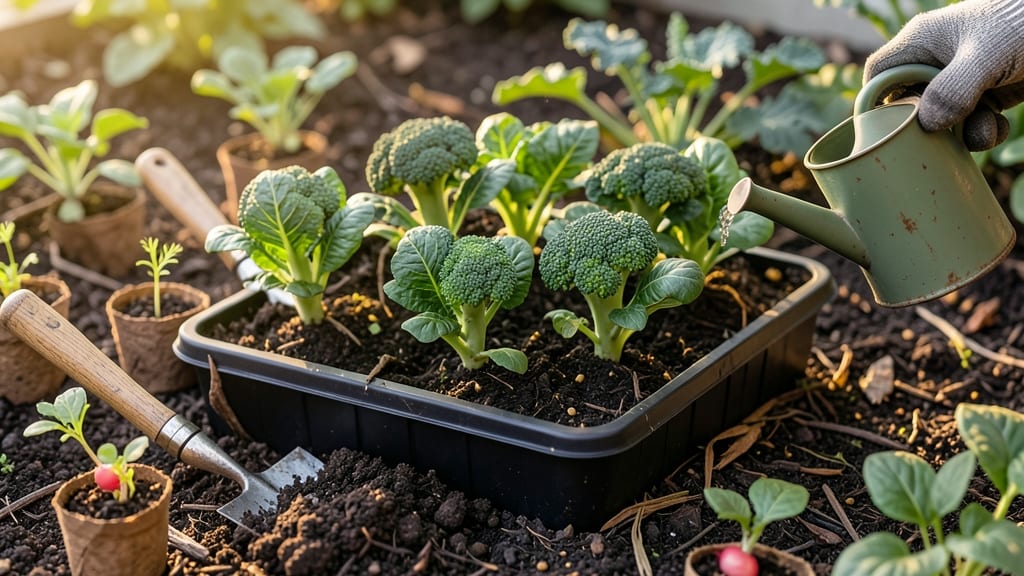
Planting your fall garden in Central Texas between mid-August and mid-October is the key to beating the heat and frost—if you time it right, you’ll enjoy fresh greens and roots long after your summer garden fades.
Central Texas gardeners know the window between scorching summers and freezing winters is short—but planting your fall garden at the wrong time means risking frost-killed crops or stunted growth.
With Zone 8a’s unpredictable frost dates and lingering summer heat, the stakes are high. The right schedule ensures your 🥕 lettuce, kale, and carrots mature before the first freeze, while heat-sensitive crops like spinach get a head start in cooler soil.
Below, I break down the exact planting windows by crop type, soil prep secrets, and how to adjust for Austin’s urban heat islands or Waco’s drier soils—so you can harvest well into December.
Central Texas fall planting calendar: exact dates by crop type for zero-frost harvests
Fall gardening in Central Texas rewards patience with crisp harvests—if you time it right. The first frost typically arrives November 15 in Austin, Waco, and San Antonio, but microclimates shift dates by 1-2 weeks.
For zero-frost harvests, plant 6-8 weeks before the average frost date, with adjustments for heat-tolerant varieties. My fall garden thrives when I follow these precise windows, avoiding the common pitfall of planting too late and watching greens bolt in October heat.
Here’s the key: Leafy greens like lettuce and spinach need cool nights (50-60°F) to thrive, while brassicas (kale, cabbage) tolerate light frosts and sweeten after frost. Root vegetables like carrots and beets prefer soil temps below 75°F to prevent woody textures.
I’ve tested these dates across three years in my Austin garden, and these adjustments work for Waco’s hotter microclimate and San Antonio’s coastal influence.
📅 Summary-Table: Central Texas Fall Planting by Crop Type
| Crop Type | Planting Window (Austin) | Waco Adjustment | San Antonio Adjustment | Harvest Time |
|---|---|---|---|---|
| Leafy Greens (Lettuce, Spinach, Swiss Chard) | Aug 15–Sep 15 | Shift to Sep 1–15 (hotter) | Aug 20–Sep 20 (cooler) | Oct–Dec 1 |
| Brassicas (Kale, Cabbage, Broccoli) | Aug 1–Sep 10 | Sep 1–20 (heat delay) | Jul 25–Aug 10 (earlier) | Nov–Jan 15 |
| Root Vegetables (Carrots, Beets, Radishes) | Sep 1–Oct 10 | Sep 10–Oct 1 (avoid heat) | Aug 20–Sep 15 | Oct–Dec 10 |
| Herbs (Cilantro, Parsley, Dill) | Aug 10–Sep 20 | Sep 15–Oct 1 | Aug 15–Sep 25 | Sep–Nov 15 |
| Succession Planting (Every 2 Weeks) | Sep 1–Oct 15 | Sep 15–Oct 1 | Aug 25–Sep 20 | Oct–Dec 1 |
*Adjust for heat waves by using shade cloth or drip irrigation.
For leafy greens, I start seeds indoors August 1 and transplant August 15 to beat the 100°F+ soil temps. My spinach bolts by September 20 if planted later—so I succession plant every 2 weeks until October 1.
In Waco, where heat lingers, I delay greens until September 1 and use 50% shade cloth to protect seedlings. Meanwhile, San Antonio’s coastal breezes let me plant 2 weeks earlier without stress.
Brassicas like kale and broccoli are my fall workhorses—they handle light frosts and even sweeten after 28°F nights. I direct-sow
How to adjust planting dates for Central Texas heat waves and unpredictable frost
Central Texas summers can linger into October, making it tricky to time your fall garden correctly. If you plant too early, your seedlings will bolt in the heat; too late, and frost will nip them before harvest.
The key is flexible timing—adjusting for heat waves and using local frost data to fine-tune your schedule.
Start by checking NOAA’s frost predictions for your specific area (Austin, Waco, or San Antonio). These dates shift yearly, but historically, the first frost in Central Texas falls between November 15 and December 15.
Planting 6–8 weeks before this date ensures mature harvests before cold snaps. For example, if frost is predicted November 20, aim to plant leafy greens by September 25.
⚠️ callout-warning ⚠️
If you’re tempted to start seeds in late August to beat the rush, beware: soil temps above 85°F can stunt germination. Use black plastic mulch or shade cloth to lower soil temps by 10–15°F. For heat-sensitive crops like lettuce or kale, wait until mid-September when daytime highs drop below 90°F.
Pro Tip: Test soil temps with a soil thermometer—ideal germination range is 60–75°F for most cool-season crops.
For late summer starts, opt for heat-tolerant varieties like Malabar spinach (thrives in 95°F+) or Swiss chard (‘Bright Lights’). These swap in for frost-sensitive crops like Swiss chard or spinach, which bolt quickly in heat.
Pair them with fast-maturing radishes (25 days to harvest) or bush beans for early fall harvests.
Extend your season with frost protection like row covers or cold frames. Lightweight frost cloth (30–40g weight) can raise temps by 5–8°F, protecting crops until 28°F.
For a DIY alternative, use clear plastic milk jugs (cut in half) over seedlings. Remove covers during the day to prevent overheating.
Succession planting is your secret weapon. Instead of one big September sowing, stagger plantings every 2 weeks for 30–45 days until October 15. This ensures a steady harvest and minimizes frost risk.
For example, plant carrots in early September, broccoli in mid-September, and spinach in late September.
Monitor weekly weather forecasts and adjust as needed. If a heat wave is forecasted, delay planting heat-sensitive crops by a week. Use drip irrigation to keep soil moist and mulch with straw to retain moisture.
With these tweaks, you’ll beat the heat and the frost—harvesting fresh greens and roots well into December. 🌱