
Planting
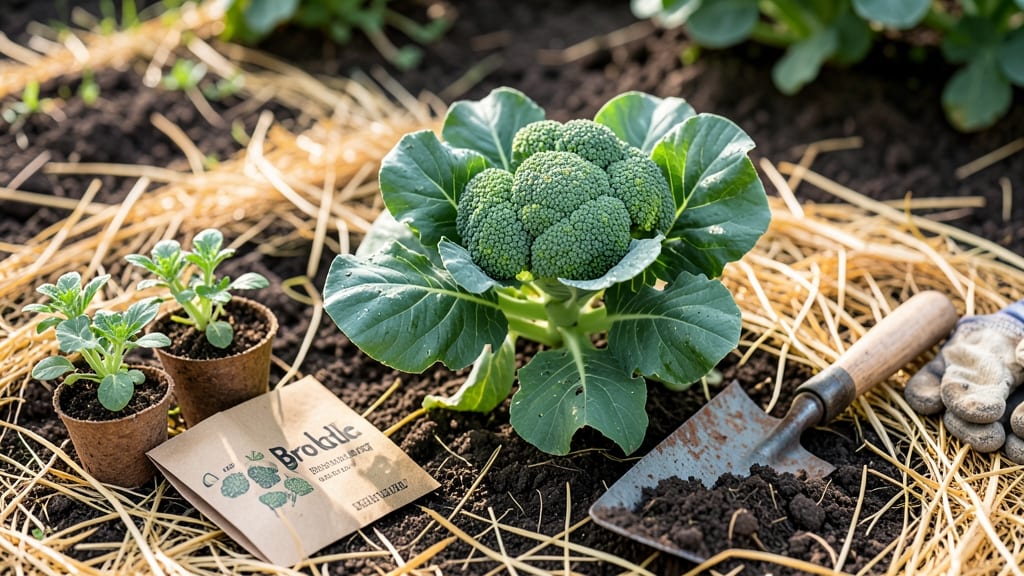
To plant a fall garden in South Texas, start between mid-August and mid-October — timing that lets heat-tolerant crops mature before the first frost.
South Texas gardeners know the struggle: scorching summers and unpredictable fall weather can make planting a tricky timing game—but mastering the schedule means bountiful harvests without frost damage.
Here, the key is choosing crops that thrive in lingering summer heat, like sweet potatoes and malabar spinach, while avoiding the late-September rush that often leads to stunted growth.
Below, I’ll break down the exact planting windows for your zone, the top 5 heat-resistant crops to prioritize, and how to transition smoothly from summer to fall without wasting your effort.
Optimal planting windows for fall vegetables in South Texas heat zones
South Texas's extended growing season means you can push your fall garden later than most regions—but timing is everything. The key is planting heat-tolerant crops early enough to mature before December frost while avoiding summer's brutal heat.
My USDA Zone 8b-9a garden thrives with this strategy: start warm-season crops in mid-August and transition to cool-season plants by mid-October.
Unlike northern gardens, South Texas's first frost often arrives in December, giving you an extra month to grow. However, soil temperatures drop faster than air temps, so I prioritize fast-maturing varieties.
For example, okra and sweet potatoes planted in late August will harvest before cold sets in, while collards and kale wait until September for cooler roots.
Here’s my month-by-month breakdown for planting heat-tolerant fall vegetables in South Texas, accounting for extended heat waves and unpredictable rains. This schedule ensures zero frost damage while maximizing your harvest.
| Month | Planting Window | Best Crops | Soil Temp (°F) | Notes |
|---|---|---|---|---|
| Mid-August | Direct sow | Okra, Sweet Potatoes, Malabar Spinach | 80-90°F | Plant in afternoon shade to avoid transplant shock. |
| Late August | Transplant or direct sow | Black-Eyed Peas, Cowpeas, Amaranth | 75-85°F | Use mulch to retain moisture during heat spikes. |
| Early September | Direct sow or transplant | Collards, Kale, Turnips | 70-80°F | Choose heat-tolerant varieties like 'Vates' collards. |
| Mid-September | Transplant seedlings | Broccoli, Cabbage, Swiss Chard | 65-75°F | Hardens off plants for fall cold snaps. |
| Late September | Direct sow for late harvest | Radishes, Lettuce, Spinach | 60-70°F | Use row covers for frost protection. |
| October | Transplant cold-hardy crops | Carrots, Beets, Onions | 55-65°F | Plant 6 weeks before frost for maturity. |
My August plantings focus on heat-loving crops like okra and sweet potatoes, which thrive in 90°F+ soil. I direct-sow these in well-draining beds with black plastic mulch to keep roots cool.
For transplants, I harden them off in partial shade for 3-5 days before moving to full sun.
By September, I shift to transition crops like collards and kale, which tolerate 80°F soil but sweeten with cooler weather. These get morning watering to prevent fungal issues from fall humidity
Top 5 heat-tolerant fall crops that thrive in South Texas climate
South Texas's long, hot growing season doesn't have to end with summer—fall planting is your secret to a thriving garden. The key lies in selecting heat-tolerant varieties that handle residual summer heat while maturing before frost.
These low-maintenance powerhouses deliver high yields with minimal fuss, perfect for busy gardeners chasing that last harvest of the year.
Unlike northern climates, South Texas's USDA Zones 8b-10a allow for extended growing seasons. The trick? Planting heat-loving crops early enough to capitalize on warm soil while avoiding the first frost (typically around December 1).
Let's dive into my top 5 fall workhorses that turn South Texas's late-season heat into harvest gold.