
Planting
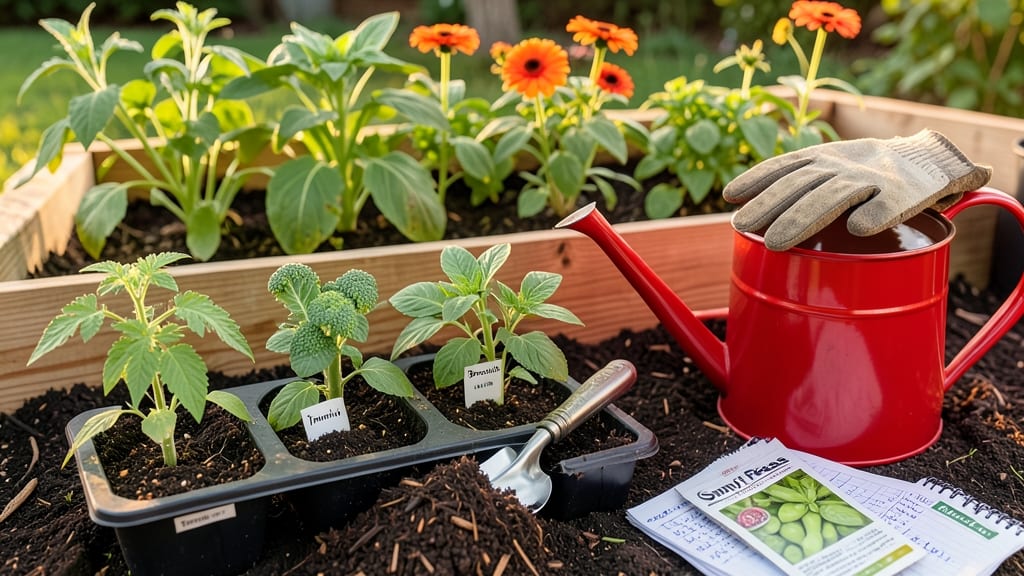
Planting a garden in East Tennessee at the right time means the difference between a bountiful harvest and wasted effort.
East Tennessee’s unique climate—with its chilly mountain winters and humid summers—means timing your garden planting just right can mean the difference between a thriving harvest and a sad, wilted disappointment.
If you’ve ever rushed to get seeds in the ground only to watch them freeze under a late frost, or planted too late and missed the growing season entirely, you know how critical getting the timing right really is.
In this guide, I’ll walk you through the exact frost dates for Zones 6a-7a, the best planting windows for cool-season vs. warm-season crops, and how to adjust for East Tennessee’s unpredictable weather—so you can maximize your garden’s potential every year.
East Tennessee frost dates and planting Zones: when to start seeds indoors vs. outdoors
East Tennessee spans USDA Zones 6a-7a, where last frost dates range from early April in Zone 7a to mid-April in Zone 6a. These dates determine whether you plant cool-season crops early or wait for warm-season favorites like tomatoes and peppers.
Microclimates—like sheltered valleys or higher elevations—can shift these dates by 1-2 weeks, so always check your specific location.
For indoor seed starting, begin cool-season crops like lettuce and spinach 6-8 weeks before last frost (around February 15 for Zone 7a). Warm-season crops such as tomatoes and peppers need 8-10 weeks indoors, so start them by March 1 to transplant outdoors after the frost-free window opens.
Outdoor planting windows vary dramatically. Cool-season crops (e.g., kale, peas, radishes) thrive when soil temps hit 40°F, as early as late February in Zone 7a. Warm-season crops like cucumbers and beans wait until soil reaches 60°F+, typically mid-May or later.
🌱 Key Tip: Use a soil thermometer to confirm readiness—cold soil stunts root growth. In valleys, plant 1-2 weeks earlier than higher elevations, where frosts linger.
| Plant Type | Indoor Start (Weeks Before Last Frost) | Outdoor Planting Window (Zone 6a/7a) | Soil Temp Requirement | Microclimate Note |
|---|---|---|---|---|
| Cool-Season Veggies (lettuce, spinach, peas) | 6-8 weeks | Feb 20 - Apr 15 (Zone 6a) / Feb 1 - Apr 1 (Zone 7a) | 40-50°F | Valleys: plant 1 week earlier |
| Warm-Season Veggies (tomatoes, peppers, cucumbers) | 8-10 weeks | May 15 - June 1 (Zone 6a) / May 1 - May 15 (Zone 7a) | 60°F+ | Higher elevations: wait 1-2 weeks |
| Herbs (basil, cilantro, dill) | 4-6 weeks (basil) | Apr 15 - May 1 (Zone 6a) / Mar 30 - Apr 15 (Zone 7a) | 50-60°F | Cilantro bolts in heat; plant fall |
| Flowers (marigolds, zinnias, sunflowers) | 4-6 weeks (annuals) | Apr 1 - May 15 (Zone 6a) / Mar 20 - Apr 30 (Zone 7a) | 55°F+ | Perennials: plant fall for root establishment |
| Fall Crops (kale, carrots, broccoli) | 6-8 weeks before first frost | Aug 1 - Sep 15 (Zone 6a) / Aug 15 - Sep 30 (Zone 7a) | 45-55°F | Use row covers for early starts |
If you’re in Zone 6a, expect first frost by November 1, cutting your growing season short. Zone 7a gardeners enjoy 2 extra weeks
Best planting schedule for East Tennessee gardens: month-by-month calendar for maximum yield
East Tennessee’s shorter growing season demands precision—plant too early, and a late frost will kill tender seedlings. Plant too late, and you’ll miss peak harvests. The key is strategic succession planting to stretch your garden’s productivity from March through October.
Below is my battle-tested month-by-month calendar for the region’s top crops, including companion planting tips to maximize space and yields.
For Zone 6a-7a, aim to plant cool-season crops 4-6 weeks before your last frost (typically April 1-15) and warm-season crops after soil reaches 60°F+ (usually mid-May). Fall crops should go in by mid-August to mature before frost hits in November. Let’s dive into the specifics.
- 1 March: Start cool-season seeds indoors (lettuce, spinach, kale) and plant hardy transplants outdoors (onions, peas, broccoli). Soil temps are still chilly—wait until 40°F+ for direct sowing.
- 2 April: Transplant cold-hardy crops (cabbage, Brussels sprouts) and sow radishes, carrots, and beets. After last frost (April 1-15), start warm-season seeds indoors (tomatoes, peppers, eggplants) for May transplanting.
- 3 May: Harden off indoor seedlings and transplant tomatoes, peppers, and basil after soil hits 60°F. Sow beans, cucumbers, and squash directly outdoors. Succession plant lettuce every 2 weeks for continuous harvests.
- 4 June: Plant heat-tolerant crops (okra, sweet potatoes, southern peas). Interplant fast-growing greens (bush beans, turnips) between rows of slower-maturing crops. Mulch heavily to retain moisture during humid summers.
- 5 July-August: Direct-sow fall crops (kale, spinach, radishes) for harvests before frost. Transplant broccoli and cabbage by mid-August for late-season growth. Use shade cloth to protect seedlings from intense summer sun.
- 6 September: Extend warm-season harvests with succession plantings of bush beans and cucumbers. Start cool-season seeds indoors (like leeks) for October transplants. Companion plant garlic with roses to deter pests naturally.
- 7 October: Plant garlic and onions for next year’s harvest. Sow winter rye cover crop to protect soil and suppress weeds. Harvest late-season crops (like Brussels sprouts) before hard frosts hit in November.
Pro tip: Use companion planting to boost yields in East Tennessee’s compact gardens. Pair basil with tomatoes to repel pests, or grow carrots with onions to deter carrot flies. For succession planting, stagger sowings every 2-3 weeks for crops like lettuce, radishes, and beans to ensure a steady supply.
Don’t forget to monitor soil temperatures—a simple soil thermometer is your best friend. Warm-season crops like peppers and eggplants need 70°F+ soil to thrive, while cool-season crops like spinach grow best in 50-65°F soil.
Adjust your schedule if spring or fall arrive late—East Tennessee’s microclimates can vary wildly between valleys and mountaintops.
With this schedule, you’ll turn East Tennessee’s 165-200 frost-free days into a year-round gardening victory, even with limited space. Happy planting! 🌱