
Planting
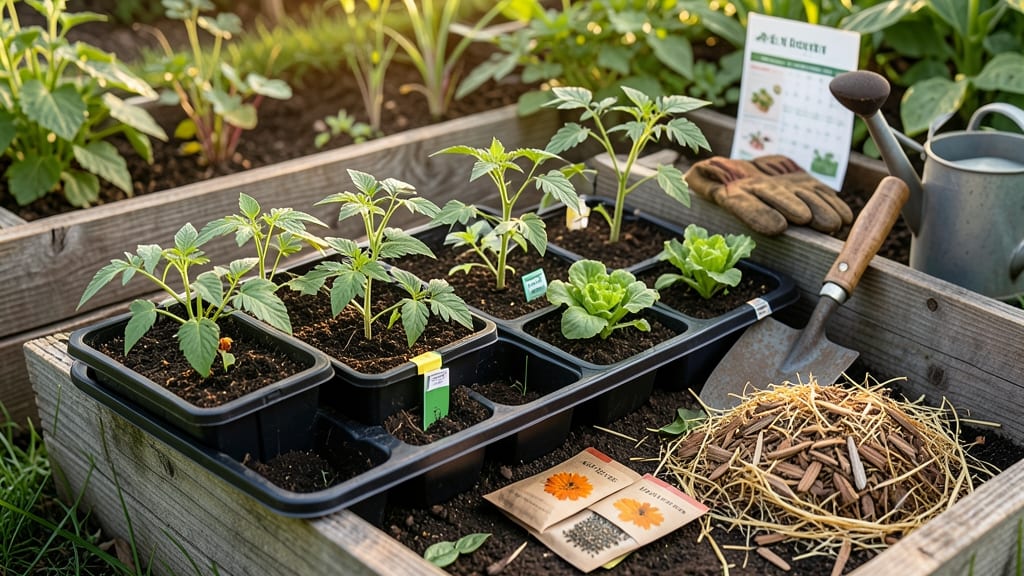
Planting a garden in Kentucky means timing your seeds and transplants to dodge those sneaky late frosts that can turn your hard work into a sad, crispy memory.
If you’ve ever watched your seedlings shiver under a surprise freeze, you know how quickly a beautiful spring can turn into a gardener’s nightmare. Kentucky’s USDA zones 6a-7a give you a narrow window—just 180-220 frost-free days—so getting the timing right is everything.
Cool-season crops like lettuce and peas can go in as early as February, but warm-season favorites like tomatoes and peppers need to wait until after your last frost, usually around mid-March to early April.
Miss that mark, and you’ll be chasing summer heat with nothing to show for it.
In this guide, I’ll break down the exact deadlines by region, the best zero-frost-risk crops for Kentucky, and the simple tricks to stretch your growing season—so you can finally enjoy a harvest that lasts from spring to fall.
Kentucky’s planting zones & last frost dates by region
Kentucky spans USDA Hardiness Zones 5b through 7a, meaning gardeners here enjoy a mix of mild winters and warm summers. The average last spring frost typically occurs between March 15 and April 15, while the first fall frost arrives between October 15 and November 15.
These dates vary by region, so knowing your local zone helps you time cool-season and warm-season crops perfectly to avoid frost damage.
Northern Kentucky (e.g., Paducah, Owensboro) falls in Zone 6b-7a with a longer growing season (up to 220 frost-free days). Southern Kentucky (e.g., Bowling Green, Lexington) is in Zone 6a-7a, offering 180-200 frost-free days.
The Bluegrass Region (Louisville, Frankfort) sits in Zone 6b-7a, balancing both extremes. Understanding these zones ensures you plant at the right time for zero-frost-risk crops like tomatoes and peppers.
Here’s a city-by-city breakdown of Kentucky’s last frost dates to help you plan your garden. Use these as your planting deadlines for cool-season crops like lettuce, spinach, and peas (plant 4-6 weeks before the last frost) and warm-season crops like tomatoes, peppers, and cucumbers (plant after the last frost).
For cool-season crops like broccoli, cabbage, and kale, start seeds indoors 6-8 weeks before your last frost date or plant directly in the garden 4-6 weeks before. These crops can handle light frosts and even thrive in cooler weather.
In contrast, warm-season crops like tomatoes, peppers, and squash need consistent warmth and should only be planted after the last frost date has passed.
If you’re growing heat-loving crops, consider using row covers or cold frames to extend your planting window by 2-3 weeks. This is especially useful in Zone 6a areas where late frosts are more common.
For example, in Eastern Kentucky, where the last frost can linger until March 25, using protective covers lets you plant tomato seedlings as early as April 5 instead of waiting until May 1.
Fall planting is another opportunity to grow crops like spinach, radishes, and lettuce. These can be sown 6-8 weeks before the first frost date, which typically falls between
Best zero-frost-risk crops for Kentucky gardens & their planting windows
Kentucky’s long, hot summers create the perfect conditions for growing heat-loving crops that thrive without frost risk.
These zero-frost-risk plants like tomatoes, peppers, and okra can be planted after your average last frost date (typically mid-April to early May in most of Kentucky) and will produce until the first frost in late October to November.
By focusing on these warm-season crops, you can maximize your harvest window and avoid the heartbreak of late freezes.
For Kentucky gardeners, timing is everything. Planting too early risks stunted growth or frost damage, while planting too late cuts your harvest short. The key is to start seeds indoors 6-8 weeks before your last frost date or transplant ready-to-grow seedlings once soil temperatures consistently reach 60°F or higher.
This ensures your plants have enough time to mature before Kentucky’s first frost arrives. Let’s dive into the top 8 zero-frost-risk crops and their ideal planting windows for your garden.
summary-table
| Crop | Planting Window | Days to Maturity | Sunlight Needs | Key Tip |
|---|---|---|---|---|
| Tomatoes | April 15 - May 15 | 60-85 days | 6-8 hours full sun | Stake plants early to prevent sprawling |
| Peppers (Bell, Jalapeño) | April 20 - May 10 | 60-90 days | 6-8 hours full sun | Use mulch to retain soil moisture |
| Okra | May 1 - June 1 | 50-65 days | Full sun (8+ hours) | Drought-tolerant; water deeply but infrequently |
| Sweet Potatoes | May 10 - June 1 | 90-120 days | Full sun (10+ hours) | Plant slips after soil warms to 70°F+ |
| Cucumbers | April 25 - May 10 | 50-70 days | 6-8 hours full sun | Trellis vines to save space and improve air flow |
| Eggplant | April 20 - May 15 | 70-90 days | 6-8 hours full sun | Fertilize lightly to prevent bitter fruit |
| Southern Peas (Cowpeas) | May 15 - June 1 | 60-90 days | Full sun (8+ hours) | Fixes nitrogen in soil; great for succession planting |
| Watermelon | May 1 - May 15 | 70-90 days | Full sun (10+ hours) | Plant in warm, well-drained soil for best yields |
One of my favorite zero-frost-risk crops for Kentucky gardens is okra, which thrives in the state’s heat and humidity. Okra is incredibly drought-tolerant once established, making it a low-maintenance choice for busy gardeners.
Plant okra seeds directly in the garden after the last frost, and you’ll have a bountiful harvest in just 50-65 days. The key is to keep the soil consistently moist during the first few weeks, then let it dry slightly between waterings to encourage strong root growth.
For gardeners in northern Kentucky (USDA Zone 6a), aim to plant tomatoes and peppers by April 15 to ensure they mature before the first frost. In southern Kentucky (Zones 7a-8a), you can push planting dates slightly later—May 1—thanks to the longer growing season.
Always monitor soil temperatures with a thermometer; warm-season crops like peppers need soil that’s at least 60°F to germinate properly. If your soil is still cool, consider using black plastic mulch to warm it up faster.
Don’t forget about succession planting for continuous harvests! Crops like cucumbers and Southern peas can be sown every 2-3 weeks from May through July. This strategy ensures you’ll have fresh produce all summer long without overcrowding your garden.
For example, if you plant cucumbers on April 25, follow up with another round on May 15 and June 1 to stagger your harvest. This method works especially well in Kentucky’s humid climate, where vining plants can spread quickly.
Finally, keep an eye on pests and diseases that thrive in Kentucky’s summer heat. Tomato hornworms and pepper maggots are common culprits, so I recommend using row covers or neem oil sprays as a preventative measure.
Regularly inspect the undersides of leaves and remove any damaged foliage to keep your plants healthy. With the right timing and care, these zero-frost-risk crops will reward you with a bountiful harvest that lasts well into fall.