
Planting
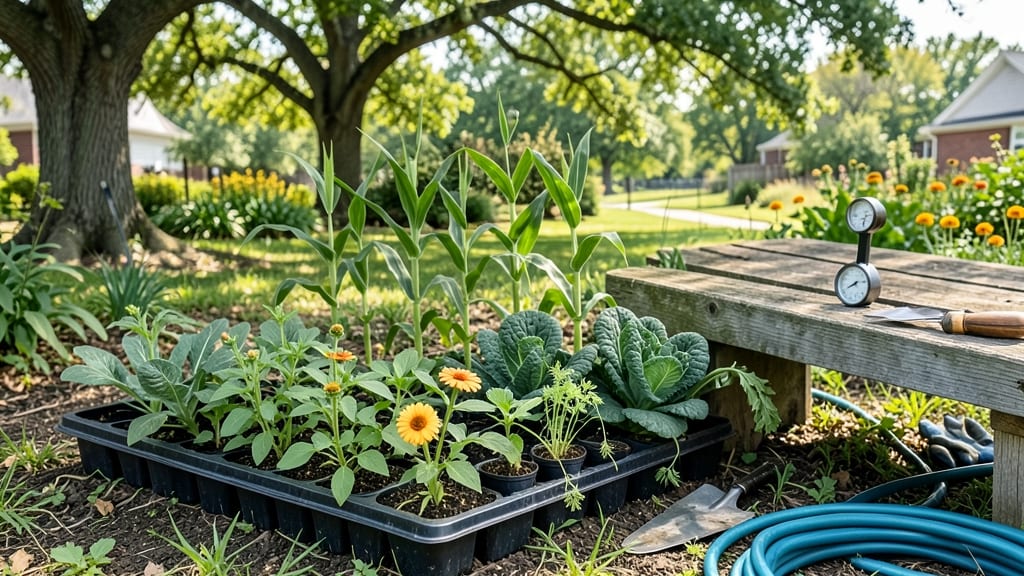
Planting your garden in North Carolina at the right time is the difference between a thriving harvest and a wasted season.
North Carolina’s diverse climate—from the mountains to the coast—means your garden’s success hinges on knowing the exact timing to plant. Get it wrong, and you’ll battle frost, heat, or pests. But get it right, and you’ll enjoy a bountiful harvest all season long.
For most of the state, cool-season crops like broccoli and spinach should hit the soil 4-6 weeks before your last frost date, typically by early March in zones 7a-8b.
Warm-season favorites like tomatoes and peppers, however, need to wait until 2-3 weeks after the last frost—usually mid-April or later.
Below, I’ll break down the best planting windows by region, share frost-free date maps, and give you the month-by-month schedule to keep your 🌱 thriving year-round.
North Carolina planting Zones: what heat Zone are you in?
North Carolina spans 8 USDA Hardiness Zones (5b through 8a), creating dramatic differences in planting windows from the cool mountain valleys to the warm coastal plains. Your frost-free date—the moment you can safely plant warm-season crops—varies by hundreds of days across the state.
For example, Wilmington (Zone 8a) enjoys 240 frost-free days, while Boone (Zone 6b) gets just 150 days. Knowing your zone helps you avoid late spring frosts or early fall chills that can devastate tender plants.
Each zone dictates when to start seeds indoors, when to transplant outdoor seedlings, and which heat-loving crops will thrive in your yard. The Piedmont region (Zones 7a-7b) often serves as the sweet spot, with 180-200 frost-free days—ideal for classic Southern crops like sweet potatoes and peanuts.
Meanwhile, coastal areas can grow tropical plants like okra or eggplant year-round, while mountain gardens must wait until late May for tomatoes and peppers.
Here’s how to use this zone guide: First, find your exact zone using the USDA map (or check your county extension office). Then, align your planting with the frost-free dates for your area.
For instance, in Zone 6b, you’ll plant cool-season crops like kale or broccoli in early March, but wait until mid-May for tomatoes. In Zone 8a, you can start warm-season crops 3-4 weeks earlier—by early April.
The coastal plain (Zones 7b-8a) is the most forgiving for gardeners, with longer growing seasons and warmer soil that lets you plant earlier in spring and later in fall.
For example, in Wilmington (Zone 8a), you can direct-sow okra or sweet potatoes as early as mid-March, while Asheville (Zone 6b) gardeners must wait until mid-May for the same crops. This delay can mean the difference between a bountiful harvest and stunted plants struggling to mature before frost.
In the mountains (Zones 5b-6b), gardeners rely on row covers and cold frames to extend seasons. Here, cool-season crops like spinach and peas thrive in early spring, but tomatoes and peppers often need greenhouse protection until late May. The Piedmont (Zones 7a-7b) strikes
Month-by-month planting calendar for NC gardens
North Carolina’s gardening season isn’t just about spring and summer—it’s a year-round adventure if you know the right timing. Cool-season crops like kale and broccoli thrive in early spring and fall, while tomatoes and peppers demand warm soil.
Missing these windows means struggling with frost damage or bolting plants. Let’s break down the month-by-month deadlines for your NC garden’s success.
Your first step is understanding frost dates, which vary wildly across NC’s 8 USDA zones. Coastal areas (like Wilmington) have 240 frost-free days, while mountain regions (like Boone) only get 150 days.
Use these dates as your planting compass—cool crops go in 4-6 weeks before last frost, and warm crops 2-3 weeks after. Let’s dive into the monthly action plan.
- 1. January-February: Start cool-season seeds indoors (lettuce, spinach) and plant garlic and onion sets. Coastal gardens can direct-sow peas and radishes.
- 2. March: Last frost date varies—coastal areas plant broccoli and cabbage by mid-March; mountains wait until April. Start tomato and pepper seeds indoors 6-8 weeks before last frost.
- 3. April: Direct-sow warm crops like beans and corn after soil reaches 60°F. Transplant broccoli and cauliflower seedlings. Coastal gardens can plant sweet potatoes in late April.
- 4. May-June: Peak planting for tomatoes, peppers, and squash. Succession plant lettuce and radishes every 2 weeks for continuous harvests. Mulch to retain moisture as temps rise.
- 5. July-August: Focus on fall crops. Start kale, spinach, and carrots indoors 8 weeks before first frost. Direct-sow turnips and beets in late summer for fall harvests.
- 6. September-October: Second planting window for cool crops! Transplant broccoli and cabbage seedlings. Plant garlic for next year’s harvest. Coastal areas can extend warm crops like peppers with row covers.
- 7. November: Clean up garden beds and add compost. Plant winter rye or clover as cover crops to protect soil. In Zone 8a (coastal), you can still plant spinach and radishes for early spring harvests.
Pro tip: Use NC State Extension’s frost date maps to pinpoint your exact last frost date. For example, Raleigh (Zone 7b) has an average last frost of March 15, while Asheville (Zone 6b) waits until April 15.
These dates dictate when to move seedlings outdoors or direct-sow heat-loving crops.
Don’t forget about succession planting—it’s how you stretch your harvest season! For instance, sow bush beans every 2 weeks from May through July to avoid a glut (or shortage) of green beans. Similarly, lettuce and radishes grow quickly, so plant new batches every 10-14 days for a steady supply.
For year-round greens, focus on kale, collards, and spinach, which tolerate light frosts. These cool-season workhorses can be planted in early spring and again in late summer for fall/winter harvests. Just be sure to mulch heavily in winter to protect roots from freezing.
Your NC garden thrives on timing—master these monthly deadlines, and you’ll enjoy fresh produce from January kale to November sweet potatoes. Happy planting! 🌱