
Planting
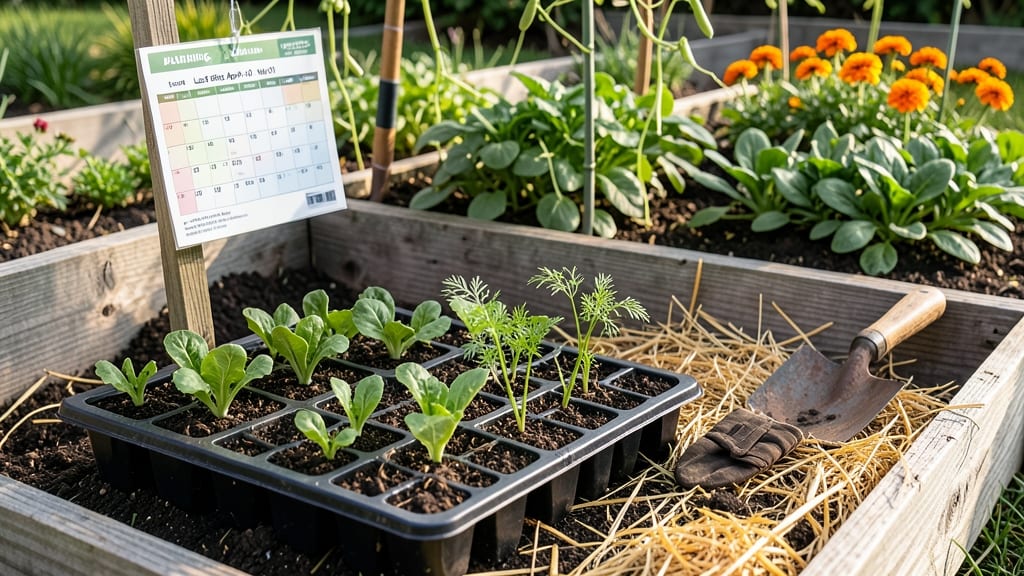
Planting a garden in Nebraska at the right time means the difference between a bountiful harvest and a wasted season—and the clock starts ticking as soon as the snow melts.
Nebraska’s unpredictable spring weather can turn your gardening dreams into a gamble unless you know the exact frost-free windows for each crop. Plant too early, and a late freeze could wipe out your hard work; too late, and you’ll miss peak harvests.
Here’s your science-backed guide to timing General Nebraska Garden 🌱 planting in the state’s unique climate zones.
The key is understanding your USDA zone—whether you’re in 5a-6b—and matching crops to Nebraska’s 150-180 frost-free days. Cool-season veggies like spinach and peas go in as early as mid-April, while tomatoes and peppers need to wait until soil warms to 50°F or higher, usually late May.
Below, I break down the perfect planting windows for every crop, plus pro tips to beat Nebraska’s tricky weather—so you can grow confidently, not guess.
Nebraska’s frost dates by region: when to plant cool-season crops
Nebraska’s cool-season crops like spinach, peas, and broccoli thrive when planted at the right time—just after the last average frost date. But with USDA zones 4a-6b across the state, timing varies dramatically from the Panhandle’s windy plains to Lincoln’s urban heat islands.
Using 3-year frost data from UNL Extension, I’ve broken down planting windows by region so you can avoid frost damage and maximize harvests.
In Western Nebraska (Zones 4a-5a), where nights can still dip below freezing into mid-May, hardy crops like potatoes and peas should wait until May 1-15.
Meanwhile, Eastern Nebraska (Zones 5b-6b)—like Omaha and Lincoln—typically sees its last frost by April 20-30, giving gardeners a 2-3 week head start on planting lettuce or spinach. These regional differences mean your neighbor’s success (or failure) might not match your own.
🌱
| Region (USDA Zone) | Avg. Last Frost | Plant Spinach | Plant Peas | Plant Lettuce | Plant Broccoli | Plant Potatoes |
|---|---|---|---|---|---|---|
| Western NE (4a-5a) | May 1-15 | May 1-15 | April 20-May 5 | May 1-15 | April 20-May 5 | April 15-30 |
| Central NE (5b-6a) | April 20-30 | April 20-May 5 | April 1-15 | April 20-May 5 | April 15-30 | April 1-15 |
| Eastern NE (6a-6b) | April 10-20 | April 10-25 | March 20-April 5 | April 10-25 | March 25-April 15 | March 15-April 1 |
| Urban Heat Islands (Lincoln/Omaha) | April 5-15 | April 1-15 | March 15-April 1 | April 1-15 | March 15-April 1 | March 1-15 |
Adjust your planting dates based on microclimates. Cities like Lincoln and Omaha experience urban heat islands, which can push last frost dates 1-2 weeks earlier than rural areas. Meanwhile, windy plains in Western Nebraska often see colder nights, delaying safe planting by up to 3 weeks.
To check your local trends, use UNL Extension’s Nebraska Mesonet for real-time soil and air temperature data.
For spinach and lettuce, which bolt in heat, aim to harvest before June 1 in most regions. In Eastern Nebraska, you can even plant a second crop in late July for a fall harvest
Warm-season planting schedule: tomatoes, peppers, and corn timing
Nebraska’s warm-season crops like tomatoes, peppers, and corn thrive when soil temperatures consistently stay above 50°F. For seeds, aim for 50°F+, while transplants need 60°F+ soil to root successfully.
In Nebraska, this typically translates to planting after mid-May in most regions, but Western Nebraska’s cooler climate may delay timing by 1-2 weeks. Use a soil thermometer to confirm readiness—don’t rely on air temperature alone!
To extend your growing season, try black plastic mulch or row covers to warm the soil faster. These methods can shave off 10-14 days from your planting window, letting you start peppers or tomatoes earlier.
Just remember to remove covers once flowers appear to prevent overheating. For corn, which prefers warmer soils, wait until the ground is 65°F+—usually late May to early June in Nebraska.
For tomatoes, start transplants indoors 6-8 weeks before your last frost date (around March 15 for most of Nebraska). Harden them off for 1 week before planting after May 15.
If you’re direct sowing, wait until soil is 60°F+—usually late May. Peppers are even more finicky; transplant them after May 20 when night temps stay above 55°F. They hate cold soil, so use straw mulch to insulate roots.
Corn is a high-stakes crop in Nebraska’s short season. Plant early-maturing varieties (like ‘Golden Bantam’) in blocks, not rows, for better pollination. Sow seeds 1 inch deep when soil hits 65°F, usually late May to early June.
Succession plant every 2 weeks for a staggered harvest. If you miss this window, consider fall-planted corn (like ‘Moonlight Sweet’) for a late-season crop.
Don’t forget to test your soil before planting—Nebraska’s alkaline soils often need sulfur or peat moss to lower pH for tomatoes and peppers, which thrive in 6.0-6.8 pH.
Add compost or aged manure 2 weeks before planting to boost fertility. For corn, a balanced 10-10-10 fertilizer at planting time ensures strong stalks and abundant ears.
Pro tip: Use floating row covers for early pepper transplants to protect against late frosts (which happen every 3-5 years in Nebraska). Remove covers once flowers appear to encourage pollination. And if your tomatoes start setting fruit in July’s heat, shade them with lightweight fabric to prevent sunscald.