
Planting
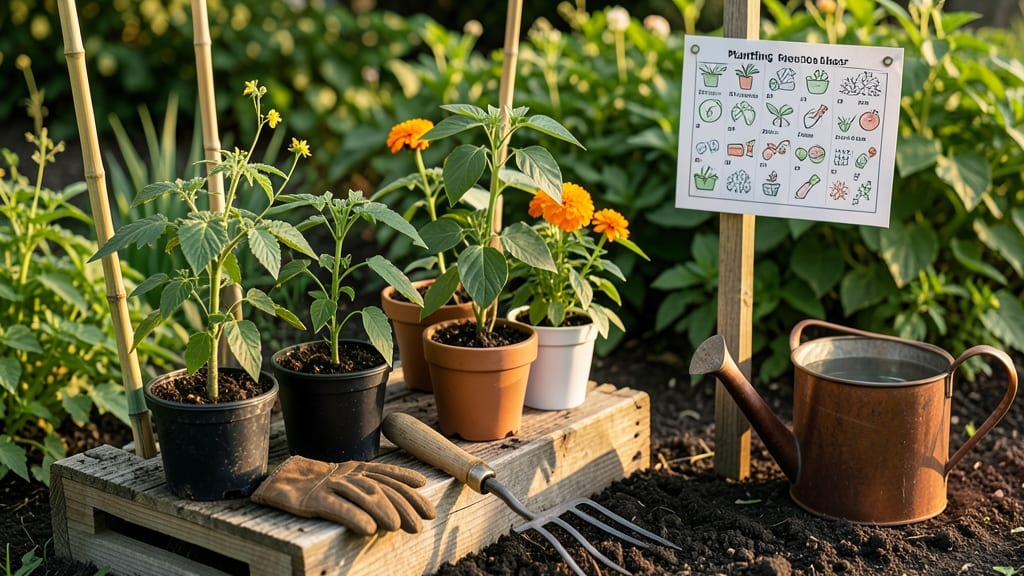
Planting your garden in Ohio at the right time means the difference between a fast, bountiful harvest and a season of frustration.
Ohio’s unpredictable spring weather can turn your gardening dreams into a gamble—but knowing the exact soil temperature triggers for planting can help you beat the frost and grow a thriving garden.
For most General Garden Plants (Ohio) 🌱, wait until the soil warms to at least 60°F, usually by mid-April in most zones.
Why does timing matter so much? Because cool soil slows root growth, and planting too early can leave your seedlings vulnerable to late frosts. In 6a-6b zones, that means holding off until after April 15th, even if the air feels warm.
Below, I’ll break down the fastest way to check soil temps, the best crops for early planting, and how to adjust for Ohio’s microclimates—so you can start strong and avoid common mistakes.
Ohio’s best planting calendar by soil temperature zones (2024 guide)
Ohio’s diverse climate—from the cool lakeside regions of the north to the warmer southern valleys—means your planting schedule should match your local soil temperature, not just the calendar date.
Unlike hard frost dates, soil temperature triggers (like 40°F, 50°F, and 60°F) tell you exactly when roots can thrive. Get this wrong, and your seedlings could rot or fail to sprout.
Northern Ohio (zones 5b-6a) often waits until mid-May for warm-season crops, while Southern Ohio (zones 6a-6b) can plant 2-3 weeks earlier. The key? Test your soil—not just air temperature. A soil thermometer (just $10) is your best tool for beating Ohio’s unpredictable spring.
Last frost dates vary wildly: April 15 in Cincinnati but May 10 near Cleveland. But frost alone doesn’t tell the full story—root-zone warmth is what matters. For example, peas and spinach can handle 40°F soil, while tomatoes and peppers need at least 60°F.
Here’s the golden rule: Cool-season crops (like spinach, peas, and lettuce) can go in as soon as soil hits 40°F, even if frost is still possible. But warm-season plants (tomatoes, peppers, cucumbers) won’t germinate until soil reaches 60°F or warmer.
Waiting for consistent 60°F soil (not air temp!) ensures strong root growth and faster harvests.
Pro tip: Use black plastic mulch to warm soil 5–10°F faster in early spring. Lay it down 2 weeks before planting warm crops like tomatoes or peppers. This trick can shave 3 weeks off your growing season in Northern Ohio, where cool soil delays planting.
Ohio’s fall planting window (August–September) is often overlooked but just as productive. Cool-season crops like kale and radishes thrive when soil temps drop to 50–60°F. Plant these 6–8 weeks before first frost (usually October 15) for a second harvest before winter sets in.
For herbs like basil and cilantro, aim for 50–60°F soil in spring. Basil, however, bolts in heat, so succession-plant it every 2 weeks from May to July. Cilantro, meanwhile, prefers cooler temps and can handle 40
How to test soil temperature & adjust planting for Ohio’s unpredictable spring
Ohio’s spring weather can swing from freezing nights to 80°F days in a week, making planting timing tricky. But checking your soil temperature—not just air temperature—gives you the real planting signal your plants need to thrive.
A soil thermometer (just $10 at garden centers) becomes your secret weapon against frost surprises.
Most gardeners wait for the last frost date, but cool-season crops like spinach and peas actually prefer cooler soil (40–50°F), while warm-season plants like tomatoes and peppers stall or rot below 60°F. Testing soil temperature helps you time plantings perfectly—whether you’re sowing seeds or transplanting seedlings.
Step-by-Step Soil Temperature Guide for Ohio
- Step 1: Test in the morning (between 8–10 AM) when soil is closest to daytime temps. Insert the thermometer 2–3 inches deep—this is where most seeds and roots will be.
- Step 2: Compare to planting charts:
- 40–50°F: Plant cool-season crops (spinach, peas, lettuce, kale).
- 50–60°F: Start hardy warm-season plants (beans, corn, cucumbers).
- 60°F+: Plant frost-sensitive seedlings (tomatoes, peppers, eggplants).
- Step 3: Adjust for Ohio’s microclimates. Southern Ohio (e.g., Cincinnati) warms 1–2 weeks earlier than Northern Ohio (e.g., Cleveland). Check local USDA Zone 6a/6b averages.
- Step 4: Use the 3-day warm-up trick for seedlings. If soil is 55–59°F but dropping, cover beds with row covers or black plastic for 3 days to raise temps 5–10°F.
- Step 5: Monitor after planting. If nights dip below 40°F, protect seedlings with frost cloth or move pots to a sunny windowsill.
For container gardens, soil warms faster than in-ground beds because pots absorb heat. Test containers too—if the soil hits 60°F by late April in Southern Ohio, you can plant tomatoes or peppers a week earlier than in-ground plots.
Pro tip: Keep a gardening journal to track your soil temps year after year. Over time, you’ll spot patterns—like how your raised beds warm up faster than the rest of the yard. This helps you predict planting windows even before the thermometer comes out.
Remember, soil temperature > air temperature when it comes to plant success. A 50°F morning might feel chilly, but if your soil is 60°F+, it’s prime time for tomatoes and peppers.
Stay ahead of Ohio’s weather whiplash with this simple tool—your garden will thank you with bigger yields and fewer losses.