
Planting
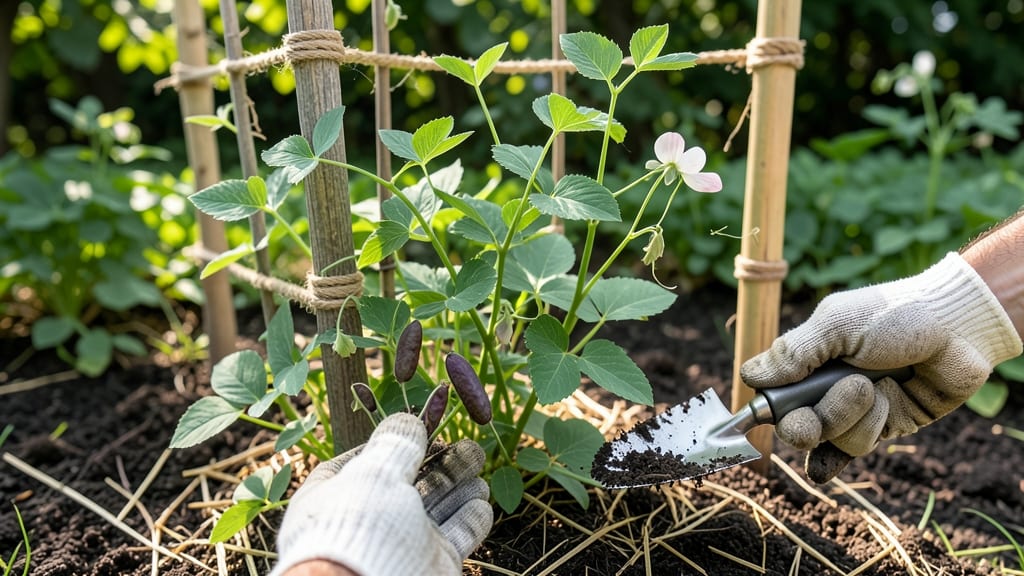
Planting garden peas at the right time ensures fast germination and a thriving harvest 🌱—aim for early spring or fall when soil temperatures hover between 40°F and 75°F.
If you’ve ever waited weeks for pea seedlings to appear only to watch them bolt in the heat, you know timing is everything. These cool-loving plants despise summer’s intensity, so getting them in the ground at the perfect moment—before the soil warms—is the secret to a bountiful crop.
For most gardeners in USDA Zone 6a, that means sowing seeds 4-6 weeks before your last frost (think late winter to early spring) or again in fall, 6-8 weeks before the first frost hits.
But regional tweaks matter—cooler climates can push planting even earlier, while hotter areas may need a late-winter or early-fall window to avoid summer’s swelter.
Below, I break down the exact planting schedule for your zone, soil prep tricks to speed up germination, and how to adjust for short growing seasons—so you can go from seed to pod in just 60 days.
Best planting times for garden peas by climate Zone
Garden peas (Pisum sativum) are cool-season champions that thrive when temperatures hover between 40°F and 75°F. Planting them at the wrong time—either too early or too late—can result in slow germination, stunted growth, or even total failure.
The key is understanding your USDA hardiness zone and adjusting your schedule to avoid heat stress or frost damage. Whether you're in a cold northern climate or a mild southern region, timing is everything for a productive pea harvest.
Peas can be sown in early spring, late summer, or even fall in warmer zones, but the exact window depends on your local frost dates.
For example, in USDA Zone 3, where winters are harsh, you’ll focus on early spring planting, while in Zone 10, you might get two harvests per year with strategic fall sowing.
Let’s break down the ideal planting times for each zone to ensure your peas get off to the best start.
In USDA Zones 3-4, where winters are long and brutal, your only reliable option is early spring planting. Aim to sow seeds 4-6 weeks before your last expected frost date, typically in March or early April.
The soil should be workable but not freezing—peas won’t germinate in cold, wet ground. If you plant too early, seeds may rot; too late, and you’ll miss the cool-season window. For these zones, fall planting is not recommended due to the risk of frost damage before harvest.
Gardeners in Zones 5-6 have more flexibility, with both spring and fall planting opportunities. For spring, follow the same 4-6 week rule before your last frost. For fall, plant 6-8 weeks before your first frost, usually in August or early September.
This gives peas enough time to mature before winter sets in. In these zones, you can also experiment with overwintering peas by using row covers or mulch to protect tender plants from light frosts. Just be sure to harvest before temperatures drop below 20°F.
Southern gardeners in Zones 7-10 can push the boundaries even further. In Zones 7-8, you can plant peas in both early spring and late summer, with a fall harvest. For Zone 9-10, the real magic happens in fall and winter planting.
Sow seeds in October or November for a harvest in late winter or early spring, then repeat in February or March for a summer crop. The key here is to avoid summer heat, which causes peas to bolt (flower prematurely).
Use shade cloth or drip irrigation to keep plants cool during hot spells.
One common mistake is assuming that "cool weather" means you can plant peas anytime the air feels chilly. Soil temperature is more important than air temperature. Use a soil thermometer to confirm your soil is at least 40°F before planting.
If the ground is too cold, seeds will sit dormant or rot. Similarly, don’t wait until the last possible moment before frost—peas need 60-70 days to mature, and late plantings often result in small, underdeveloped pods.
Plan ahead and adjust your schedule based on your local microclimate, such as sheltered spots that warm up faster in spring.
For gardeners in short-season areas, consider succession planting every 2-3 weeks in spring to stagger your harvest. This ensures a steady supply of fresh peas and maximizes your garden space. If you’re in a warmer zone, prioritize fall plantings to escape summer heat.
And remember, trellises are your friend—they improve air circulation, reduce disease risk, and make harvesting easier. With the right timing and a little preparation, you’ll enjoy a bountiful pea harvest no matter where you live.
How to time pea planting for fast germination and pest avoidance
Timing is everything when planting garden peas. These cool-season crops germinate best when soil temperatures hover between 40°F and 70°F, but planting too early or late can lead to slow sprouts or pest infestations.
The key lies in balancing soil warmth, local frost dates, and companion planting to create the perfect conditions for fast, healthy growth.
First, check your soil temperature using a soil thermometer—peas need consistently warm soil to sprout quickly. If temperatures dip below 40°F, germination slows dramatically, leaving your seeds vulnerable to rot or pests.
I’ve found that planting when the ground reaches 50°F ensures rapid sprouting within 7-10 days, giving you a head start on the growing season.
Pests like pea weevils and cabbage moths are most active when peas are young. To outsmart them, I plant radishes alongside my peas—their strong scent repels pests while adding a bonus harvest.
Another trick? Mulch heavily with straw to deter crawling insects and retain moisture, which peas love but hate to waste.
Microclimates can drastically alter your planting schedule. A south-facing slope warms up faster than a north-facing garden bed, so adjust your timing accordingly. For example, in USDA Zone 5, I plant peas in late April for sunny spots but wait until mid-May in shadier areas.
Always monitor your garden’s unique conditions—your peas will thank you with vigorous growth!
Finally, don’t overlook the power of succession planting. By sowing new seeds every 2 weeks during the optimal window, you’ll enjoy a steady supply of fresh peas while minimizing pest pressure.
This method also extends your harvest season, giving you more time to enjoy these sweet, protein-rich pods before summer heat sets in.
With these strategies, you’ll avoid the common pitfalls of slow germination and pest damage, ensuring your garden peas thrive from seed to harvest. Happy planting! 🌱