
Container Gardens
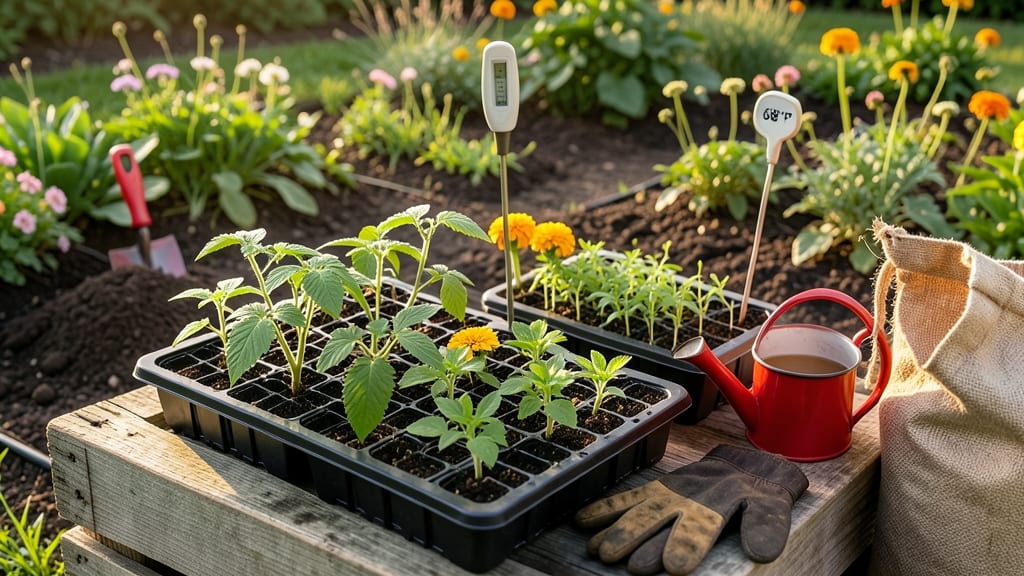
To plant gardens in Ohio, aim for after the last frost date—typically mid-April—when soil temperatures hit 50°F for most General Garden Plants 🌱.
Ohio’s unpredictable spring weather can turn a gardener’s best-laid plans into a guessing game—but timing your plantings based on Ohio’s USDA Hardiness Zones (5b-6b) ensures faster growth and higher yields.
Miss the window, and you risk stunted crops or pests taking over. Whether you’re growing tomatoes in southern Ohio or lettuce in the north, knowing the exact dates for warm-season and cool-season plants makes all the difference.
Here’s the zone-specific schedule you need to maximize your garden’s potential, from frost-free averages to soil prep tips for fast results.
Ohio planting calendar by Zone: exact dates for warmth-loving vs. cool-season crops
Ohio’s USDA Zones 5b (northern) and 6b (southern) create distinct planting windows, with Zone 6b enjoying 2-3 weeks earlier starts than Zone 5b. The average last frost date ranges from April 15 in southern Ohio to May 1 in northern Ohio, while first frost arrives October 15-30.
Warm-season crops like tomatoes and peppers need soil temps above 60°F—typically late May—while cool-season crops like spinach and peas thrive in 40-55°F soil, starting as early as March.
To avoid frost damage, I always check the National Weather Service’s frost predictions and use soil thermometers to confirm readiness. For Zone 5b, plant cool-season crops by April 15 and warm-season crops after May 15.
In Zone 6b, you can start cool-season crops by March 15 and warm-season crops by May 1. Succession planting every 2 weeks ensures a continuous harvest.
Soil temperature is just as critical as air temperature. Use a soil thermometer to verify 50°F+ for cool-season crops and 60°F+ for warm-season crops. In Zone 5b, soil warms slowly, so I often use black plastic mulch to raise temperatures faster. For Zone 6b, soil warms earlier, allowing earlier direct sowing of beans and squash.
Here’s a quick comparison of planting windows for Ohio’s two zones:
| Plant Type | Zone 5b (Northern Ohio) | Zone 6b (Southern Ohio) | Soil Temp Threshold |
|---|---|---|---|
| Cool-Season Crops (Spinach, Peas, Lettuce) | March 15 - April 15 | March 1 - March 30 | 40-55°F |
| Warm-Season Crops (Tomatoes, Peppers, Cucumbers) | May 15 - June 1 | April 20 - May 10 | 60-70°F |
| Herbs (Basil, Cilantro, Parsley) | April 1 - May 10 | March 20 - April 15 | 50-60°F |
| Flowers (Marigolds, Zinnias, Sunflowers) | April 15 - May 15 | April 1 - April 30 | 50°F+ |
| Succession Planting (Beans, Lettuce, Radishes) | Every 2 weeks until July 15 | Every 2 weeks until August 1 | Varies by crop |
For cool-season crops, I start seeds indoors 4-6 weeks before the last frost—typically February 15 in Zone 6b and March 1 in Zone 5b. Harden off seedlings 1 week before transplanting to avoid shock.
In Zone 6b, you can even plant spinach and peas outdoors by early March if you use row covers for frost protection.
Warm-season crops like tomatoes and peppers need extra care. I always soak seeds overnight before planting and use biodegradable pots to prevent transplant shock. In Zone 5b, wait until after May 15 to plant outdoors, or start seeds indoors by March 15 for a June harvest. In Zone 6b, you can plant outdoors by April 20 or start seeds indoors by February 28.
Herbs like basil are heat-loving and should only be planted after soil temps reach 60°F. In Zone
How to adjust planting times for Ohio’s microclimates and weather quirks
Ohio’s lake-effect snow and urban heat islands create wildly different growing conditions—even just miles apart. What works in Zone 6b Toledo may fail in Zone 5b Cleveland. The key? Adjusting your schedule based on your specific microclimate.
For example, areas near Lake Erie often see frost-free dates 2-3 weeks later than inland regions. Meanwhile, paved city centers can trap heat, allowing earlier plantings of warm-season crops like tomatoes.
Start by monitoring your local soil temperature—most vegetables need at least 50°F soil to germinate. Use a soil thermometer for 3-5 days to confirm readiness. In northern Ohio, this often means waiting until mid-May, while southern Ohio gardeners can plant peppers and eggplants by early May.
Even then, late-spring frosts (common until May 15) can devastate tender seedlings.
⚠️ callout-warning ⚠️
Ohio’s unpredictable late frosts catch gardeners off guard every year. Peppers and tomatoes planted before May 20 risk 50%+ failure in northern Ohio. Solution: Use row covers or cold frames to extend your season by 3-4 weeks. For cool-season crops like spinach, plant 6-8 weeks before last frost—but be ready to harvest before bolting if summer arrives early.
Extend your growing season with succession planting. Instead of one big planting of lettuce or radishes, sow small batches every 2 weeks from April through June. This ensures a steady harvest and reduces waste.
For warm-season crops, try staggered plantings of beans and cucumbers—start with 10 plants in early June, then add another 10 in mid-July to keep production going until frost.
Urban gardeners face unique challenges. Concrete and asphalt absorb heat, making soil 10-15°F warmer than rural areas. Take advantage of this by planting heat-loving crops like okra and sweet potatoes 2 weeks earlier than rural guidelines suggest.
However, watch for drought stressmulch to retain moisture and drip irrigation for consistent watering.
Don’t overlook lake-effect microclimates. Areas within 5 miles of Lake Erie experience cooler springs and warmer autumns. Adjust your schedule by delaying warm-season crops by 1-2 weeks and extending fall plantings by 3 weeks.
For example, kale and carrots can often be planted in late August near the lake, while inland gardeners should finish by mid-August.
Finally, keep a gardening journal to track your local conditions. Note when frosts occur, how long soil stays warm, and which crops thrive in your spot. Over time, you’ll refine your schedule to match your microclimate perfectly—leading to bigger yields and fewer disappointments! 🌱