
Planting
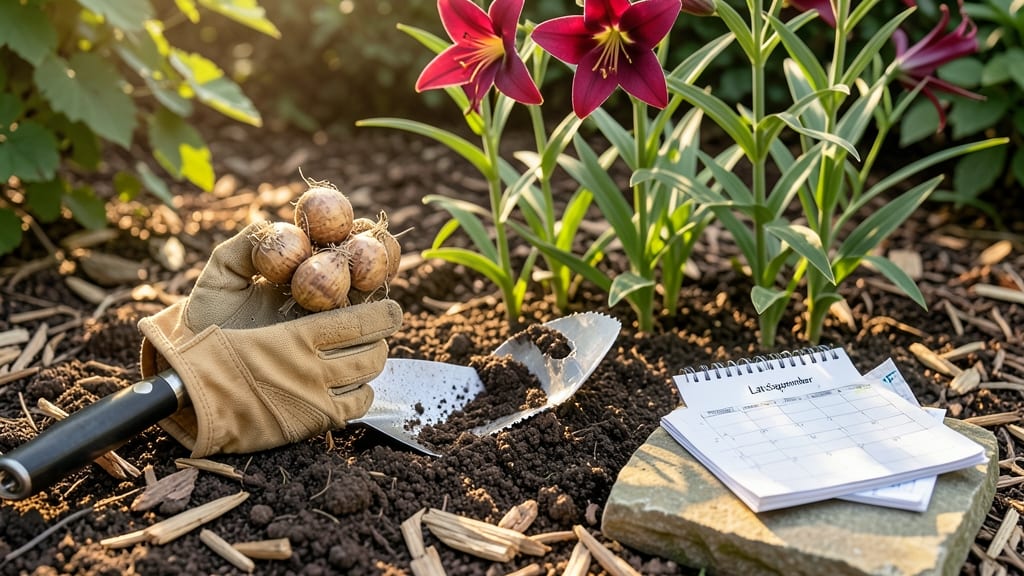
Planting lily bulbs in your garden at the wrong time can turn your dream blooms into a sad, wilted mess — and the perfect window is narrower than you think.
Timing your lily bulb planting wrong can mean wilted dreams instead of vibrant blooms—so when exactly should you plant them for a showstopping garden? The answer depends on your USDA zone, soil temperature, and whether you're planting hardy or tropical varieties.
For most gardeners in Zone 6a and similar climates, the ideal time is September to October (fall) or early spring (March to April). This gives the bulbs time to root before winter dormancy or summer heat stress.
Below, I break down the exact frost-date rules by zone, how to tell when soil is ready, and the one mistake that kills more lilies than any other. Let’s get those 🌸 planted right!
Lily bulb planting timeline by USDA hardiness Zones (with frost-date rules)
Planting lily bulbs at the wrong time can turn your dream garden into a sad, brown patch—but don't worry! The key lies in understanding your USDA hardiness zone and calculating frost dates with precision.
Most gardeners swear by fall planting, but spring is a lifesaver in warmer climates. Let's break down the exact windows for Zones 3 through 10 to ensure your bulbs thrive.
Lilies need 4-6 weeks to establish roots before winter sets in. This means planting 6-8 weeks before your first frost date—not just "in autumn." For example, in Zone 5, that's typically mid-September, while Zone 9 gardeners can plant as late as November.
Spring planting works too, but only in zones where frost arrives late.
| Zone | Fall Planting Window | Spring Planting Window | Key Rule | Soil Temp |
|---|---|---|---|---|
| 3-4 | Early Sept - Mid-Oct | Late April - May | 6-8 weeks before frost | 45-55°F |
| 5-6 | Mid-Sept - Early Nov | Early May | Soil must be 50°F+ | 50-60°F |
| 7-8 | Oct - Early Dec | Late Feb - March | Avoid summer heat | 55-65°F |
| 9-10 | Nov - Jan | Jan - Feb | Plant after rains | 60-70°F |
In Zones 3-4, where winters are harsh, focus on early fall planting (early September) to give roots time to anchor before snow arrives. Use organic mulch after planting to protect bulbs from freezing.
For Zones 5-6, aim for mid-September—this is when soil temps drop to 50°F, signaling bulbs to start rooting.
Gardeners in Zones 7-8 have more flexibility. Plant in October for fall blooms next year, or wait until late winter (February-March) to avoid summer heat stress. In these zones, spring-planted lilies often bloom earlier than fall-planted ones.
For Zones 9-10, where frost is rare, plant anytime from November through January—just ensure soil stays moist.
Pro tip: Check your local frost dates (not just zone averages) using the National Weather Service or Almanac. For example, Denver (Zone 5) often has its first frost in mid-October, while Seattle (Zone 8) might see frost in December.
Adjust your timeline accordingly to avoid premature blooming or winter kill.
For early blooming varieties like Asiatic lilies, plant in late summer (August) to push blooms forward. Oriental lilies, which need more time, should go in early fall.
Mixing varieties? Plant the earliest bloomers first to avoid crowding. Always space bulbs 6 inches apart and plant 6-8 inches deep for best results.
One common mistake? Planting too early when soil is still warm. Bulbs need cool soil (below 60°F) to trigger root growth. Use a soil thermometer if unsure—this $10 tool saves bulbs from rotting. In Zone 10, where soil rarely cools, consider elevated beds or
5 Critical signs your lily bulbs are ready to plant (even if calendar says no)
Your garden calendar might say "wait until fall," but lily bulbs often have their own timeline. These hardy perennials thrive when planted at the perfect intersection of soil temperature and bulb dormancy.
Ignoring these signs can lead to winter rot or premature blooming—so let’s decode what your bulbs are actually telling you.
First, forget rigid dates. Instead, focus on three key environmental cues: soil warmth, bulb condition, and weather patterns. For example, in Zone 6a, where first frost hits around October 15, I’ve planted lilies successfully in early September—but only after checking these critical signs.
Here’s how to read your bulbs’ signals.
🌱 5 Signs Your Lily Bulbs Are Ready to Plant
-
1. Soil Temperature Hits 50°F
Use a soil thermometer—when temps stay consistently above 50°F at 6" depth, roots can establish without freezing. In Zone 5, this often means late August to early September. -
2. Bulbs Feel Firm, Not Shriveled
Squeeze a bulb—if it’s plump and firm, it’s ready. Wrinkled or soft bulbs need more time (or chilling if forced). -
3. Nighttime Temps Stay Above 40°F
Frost risk drops when nights consistently stay above 40°F. Check your local frost-free date—planting 4–6 weeks before ensures safety. -
4. Rainfall Predictions Show 1–2 Weeks Dry
Waterlogged soil rots bulbs. Plant when drought conditions are forecasted—or use raised beds for drainage. -
5. Local Weather Patterns Shift
If your area has unpredictable frosts (like Zone 7’s late surprises), wait for stable warmth. Microclimates matter—south-facing beds warm faster!
Pro Tip: In Zones 8–10, plant in winter (Dec–Jan) to avoid heat stress—bulbs need cool dormancy even in warm climates. 🌡️
What if your calendar says "plant in October," but your soil is still below 50°F? Don’t panic—delay planting until conditions align. I’ve seen gardeners rush and end up with frozen bulbs or stunted growth.
Instead, store bulbs in a cool, dry place (like a garage) until signs #1–3 appear.
For tropical lilies (like Lilium longiflorum), ignore frost dates entirely. These bulbs need warm soil (60°F+) and no chill period. Plant when your last frost is 6+ weeks past—usually April–May in Zones 9–11. A soil thermometer is your best friend here!
Remember: Lilies hate soggy soil but love well-draining beds. Amend clay soil with compost or sand to prevent rot. Once planted, mulch with straw or pine needles to insulate roots—especially in cold zones.
With these signs as your guide, your lilies will bloom earlier and bigger than ever. 🌸