Planting
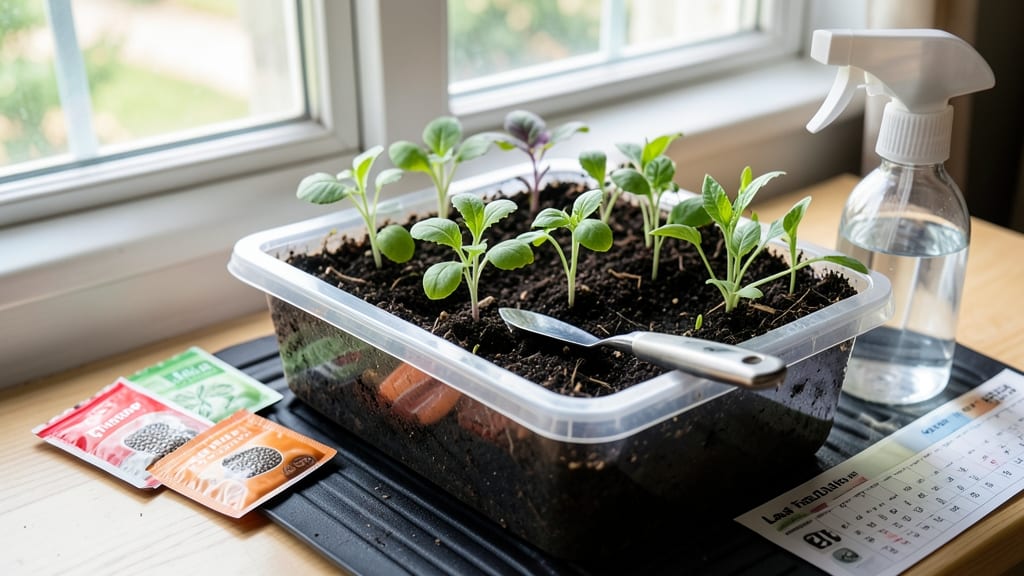
Planting seeds in the garden at the right time means the difference between fast germination and weeks of waiting — and it all starts with soil temperature.
You’ve probably guessed when to plant by the calendar, but frost dates only tell half the story. The real trigger? Soil warmth. Cold ground can leave seeds sitting there for weeks, while too-hot soil can scorch delicate roots before they even sprout.
I’ll show you how to read your soil’s temperature cues for reliable results every season.
Whether you’re growing tomatoes in Zone 6a or herbs in a container, knowing when to plant seeds in the garden isn’t about memorizing dates—it’s about matching your seeds to the ideal soil conditions they need to wake up.
Below, I break down the exact temperatures for cool-season vs. warm-season crops, plus how to test your soil without fancy tools.
Ready to skip the guesswork? You’ll learn three simple tricks to time your planting for fast, consistent germination, no matter where you garden.
Soil temperature guidelines for planting seeds by season
Getting your seed planting timing right isn't just about checking the calendar—it's all about soil temperature. Seeds need specific warmth to germinate, and planting too early or late can leave you with slow starts or failed sprouts.
For example, cool-season crops like lettuce and peas thrive when soil temps hover around 40-50°F, while warm-season crops such as tomatoes and peppers demand 60-80°F to kickstart growth. Understanding these triggers ensures your seeds sprout quickly and grow strong.
Your USDA hardiness zone plays a critical role in adjusting these guidelines. A zone 5 garden will have cooler soil in spring than a zone 8 garden, meaning you might need to wait longer before planting heat-loving seeds.
Meanwhile, fall planting for cool-season crops often works in zones 6-10, where frost arrives later. Always check your local last frost date and soil temps to fine-tune your schedule—this small step can transform your garden's success rate.
| Season | Ideal Soil Temp (°F) | Example Crops | USDA Zones | Planting Window |
|---|---|---|---|---|
| Cool Season | 40-50°F | Lettuce, Spinach, Peas, Kale | 3-8 | Early Spring, Fall |
| Cool Season | 50-60°F | Carrots, Radishes, Broccoli | 4-9 | Late Winter, Early Fall |
| Warm Season | 60-70°F | Tomatoes, Peppers, Cucumbers | 5-10 | After Last Frost |
| Warm Season | 70-80°F | Beans, Corn, Basil | 6-11 | Mid-Spring to Early Summer |
| Herbs | 55-75°F | Basil, Cilantro, Parsley | All Zones | Spring or Fall |
For cool-season crops, aim to plant when soil temperatures consistently stay below 60°F. This typically means starting in early spring or late summer/fall, depending on your zone.
In USDA zones 3-5, you might begin planting peas and spinach as early as March or April, while zones 7-10 can extend planting into October or November. Always monitor soil temps for 7-10 days before planting to avoid surprises.
Warm-season crops are far pickier—most won’t germinate until soil reaches 60°F or higher. In zone 6a, this usually means waiting until mid-May or later, after the last frost has passed.
If you're eager to get a head start, consider using black plastic mulch or a cold frame to warm the soil faster. Just remember: planting too early can lead to rotten seeds or stunted seedlings.
Regional adjustments are key. In southern zones (7-10), you might plant warm-season crops like okra or sweet potatoes as early as February, while northern zones (1-4) may not see ideal temps until June.
Always check local agricultural extension service guidelines for zone-specific advice. For example, zone 8 gardens can often plant fall crops in August, but zone 5 gardens should wait until September.
Herbs often bridge the gap between cool and warm seasons, thriving in 55-75°F soil. Basil, for instance, loves warmth but can bolt in hot climates, so timing is everything.
Plant it in early spring or late summer in most zones, but in zone 10, you might grow it year-round with proper care. Always match your herb seeds to the season—cool-loving parsley does best in spring, while cilantro prefers cooler fall weather.
Pro tip: If you're unsure about soil temps, use a soil thermometer to check readings at 6 inches deep (where most seeds germinate). Early morning is the best time to take readings, as afternoon sun can skew temps. For fast germination
How to test soil temperature before planting seeds
Testing soil temperature before planting seeds ensures your garden starts strong. Many seeds need specific warmth levels to germinate properly—too cold, and they rot; too hot, and they fail to sprout. The key is knowing exactly when your soil hits the ideal temperature for your plants.
Most gardeners rely on a soil thermometer, but you can also use simple DIY methods if you don’t have one. Understanding how to read these temperatures helps you adjust planting times for cool-season crops (like lettuce) versus warm-season crops (like tomatoes). Let’s break it down step by step.
Step-by-Step Guide to Testing Soil Temperature
- Step 1: Choose the right tool. Use a soil thermometer (digital or analog) or a DIY thermometer (like a candy thermometer or even a bottle of rubbing alcohol in a jar).
- Step 2: Test at planting depth. Insert the thermometer 1 inch deep for small seeds (like herbs) or 2-3 inches deep for larger seeds (like beans or tomatoes).
- Step 3: Take readings at the same time daily. Early morning (6-9 AM) is best because soil temps are most stable then.
- Step 4: Check for 3 consecutive days at the ideal temperature before planting. This ensures consistency.
- Step 5: Compare to seed package guidelines. Most cool-season crops need 40-50°F, while warm-season crops thrive at 60-85°F.
- Step 6: Adjust planting if needed. If soil is too cold, use row covers or wait. If too hot, plant in shaded areas or water soil to cool it.
For cool-season crops like spinach or peas, aim for 40-50°F soil. These plants can handle cooler temps and even light frost once established. On the other hand, warm-season crops such as peppers or cucumbers need soil temps above 60°F—any colder, and germination slows or stops.
If you don’t have a thermometer, watch for natural signs. Earthworms and bees become active when soil warms to 50-60°F, signaling it’s time for warm-season seeds. For cooler crops, plant when dandelions bloom—a classic gardener’s rule of thumb.
Pro tip: Keep a soil temperature journal for a few seasons. Note when your soil hits key temps in spring and fall. This helps you predict future planting windows without daily checks. Over time, you’ll recognize patterns unique to your garden’s microclimate.
Don’t let guesswork ruin your garden’s start. A few minutes with a thermometer now saves weeks of frustration later. Happy planting! 🌱