Tools
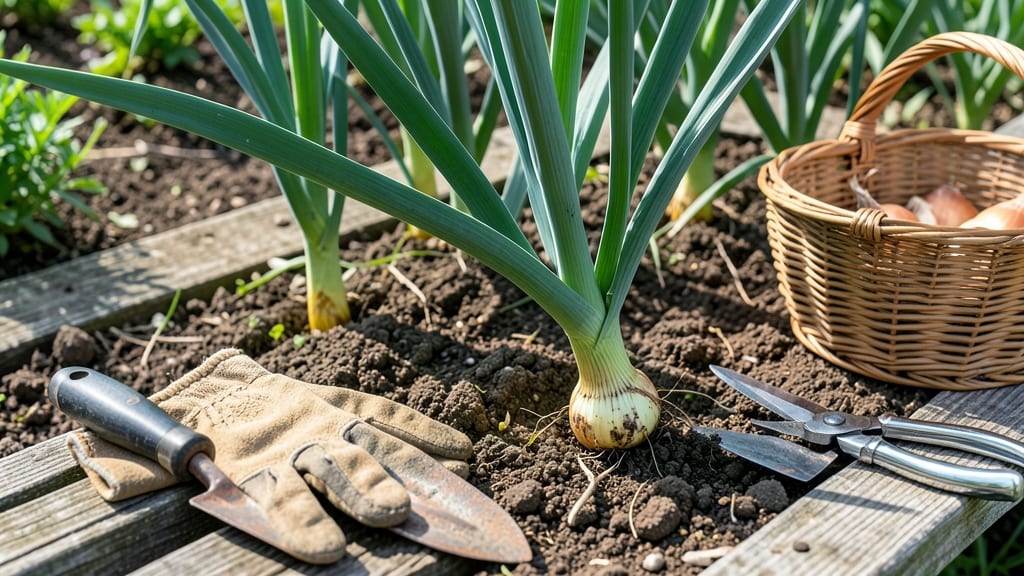
Pulling onions from the garden at the wrong time can turn a flavorful harvest into a bitter disappointment — so timing is everything for peak taste and storage potential.
Picture this: you’ve spent months nurturing your 🧅 onions, only to pull them too early and end up with pungent, stringy bulbs that won’t last. Or worse, you wait too long, and they split or rot in the ground.
Knowing the exact moment to harvest isn’t just about avoiding waste—it’s about unlocking the best flavor and texture.
Most gardeners wait for the tops to yellow and flop over, but there’s more to it than that. Soil conditions, regional climate, and even the type of onion (green vs. storage) play a role in determining the perfect harvest window.
Below, I’ll walk you through the top 3 visual cues to pull your onions at their prime, plus how to test maturity without guessing.
Whether you’re a beginner or a seasoned grower, these tips will help you avoid common mistakes and ensure your onions are ready to store or enjoy fresh from the garden. Let’s get started!
3 Clear visual signs your onions are ready for harvesting
Onions are one of those crops where timing is everything—harvest too early, and you’ll get small, pungent bulbs that won’t store well. Harvest too late, and they’ll split or rot in the ground.
The key is watching for these 3 foolproof visual signs that guarantee peak flavor and long-term storage potential. Once you recognize them, you’ll never second-guess when to pull onions again.
First, let’s address the biggest myth: you don’t harvest onions by days after planting. While most varieties take 100-120 days to mature, environmental factors like sunlight, soil, and temperature can shift that window dramatically.
Instead, focus on these physical cues that tell you—without a doubt—your onions are ready to come out of the soil.
Here’s my summary-table of the top 3 visual signs, so you can reference them quickly while you’re in the garden:
The first sign—leaf browning—is often the easiest to spot. When your onion tops turn from vibrant green to a straw-yellow color and start flopping over (like a bowing plant), it’s nature’s way of saying, “Time to harvest!”
This usually happens 2-3 weeks before the bulbs are fully mature, so don’t wait too long after you notice it.
Next, check the bulb size. Mature onions should feel firm and round, about the size of a golf ball or tennis ball, depending on the variety. If you gently brush away the soil and see small, soft bulbs, they need more time.
But if they’re plump and resistant to gentle squeezing, they’re ready. Pro tip: Long-day onions (like Yellow Sweet Spanish) will develop larger bulbs than short-day varieties.
Finally, examine the neck of the onion—the stem connecting the bulb to the top. When it’s fully mature, this neck will dry out and turn papery, almost like the skin of the bulb itself. This is your final green light to harvest.
If you wait too long after this stage, the neck can harden and crack, making storage difficult. Think of it as the onion’s way of “sealing” itself for storage.
One common mistake I see is gardeners waiting until the tops are completely brown and crispy before harvesting. By then, the bulbs may have already started to split or rot in the ground.
The ideal time is when the tops are mostly yellow but still slightly green at the base. This ensures the bulbs are fully developed but haven’t overmatured.
Here’s a quick visual checklist to confirm readiness: Are the tops yellow and floppy? Are the bulbs firm and round? Is the neck dry and papery?
If you answer “yes” to all three, grab your garden fork or trowel and get ready to harvest. The flavor and storage life of your onions depend on it!
Once you’ve confirmed these signs, the next step is how to harvest properly—but that’s a topic for another section. For now, trust these visual cues, and you’ll always pull onions at their peak. Your future self (and your pantry) will thank you!
How to test onion maturity without guessing: the finger-press method
When your onion tops start yellowing, it’s tempting to dig up a few bulbs to check their size—but that’s risky. Premature harvesting leads to small, pungent onions, while waiting too long causes them to split or rot.
The finger-press method gives you a foolproof way to test maturity without damaging your crop. This tactile trick helps you determine if bulbs are firm enough for storage or still need time to mature.
Start by selecting a few onions where the tops have turned yellow and begun to flop over—these are the best candidates for testing. Avoid plants with green tops or bulbs that feel soft, as they’re not ready.
The finger-press method works best on storage onions (not green onions), so focus on varieties like Yellow Granex or Sweet Spanish, which develop full bulbs.
Don’t wait until the neck dries completely—this signals overmaturity, leading to split bulbs or poor storage life. If your region’s first frost is approaching (typically October 15 in Zone 6a), harvest 2-3 weeks before to avoid frost damage. For green onions, pull when 4-6 inches tall—they don’t need this test!
Gently grasp an onion bulb near the soil line with your thumb and forefinger. Apply light pressure—just enough to feel resistance. A mature onion will feel firm and slightly springy, like a hard-boiled egg.
If the bulb gives slightly or feels soft or mushy, it needs more time. This test works because mature onions redirect nutrients from the tops to the bulb, creating a dense, compact structure.
Common mistakes include pressing too hard (which bruises the bulb) or testing onions with green tops still growing. Always choose bulbs where the top has yellowed and fallen over—this is your first visual cue that the finger-press test will be accurate.
For large varieties, like Texas Early White, press near the base where the bulb is thickest, as this area is most reliable for determining maturity.
If your onions pass the finger-press test but the neck hasn’t dried yet, you can still harvest them for short-term use (like cooking or fresh eating). However, for long-term storage, wait until the neck is papery and dry—this ensures the bulb’s skin will stay intact.
Cure harvested onions in a dry, shady spot for 1-2 weeks before storing to harden the skins and extend shelf life.
Pro tip: Test onions on a cloudy day when soil is moist but not soggy. Dry soil can make bulbs feel firmer than they are, leading to false readings. By mastering this method, you’ll never guess again—just press, assess, and harvest with confidence! 🧅