
Tools
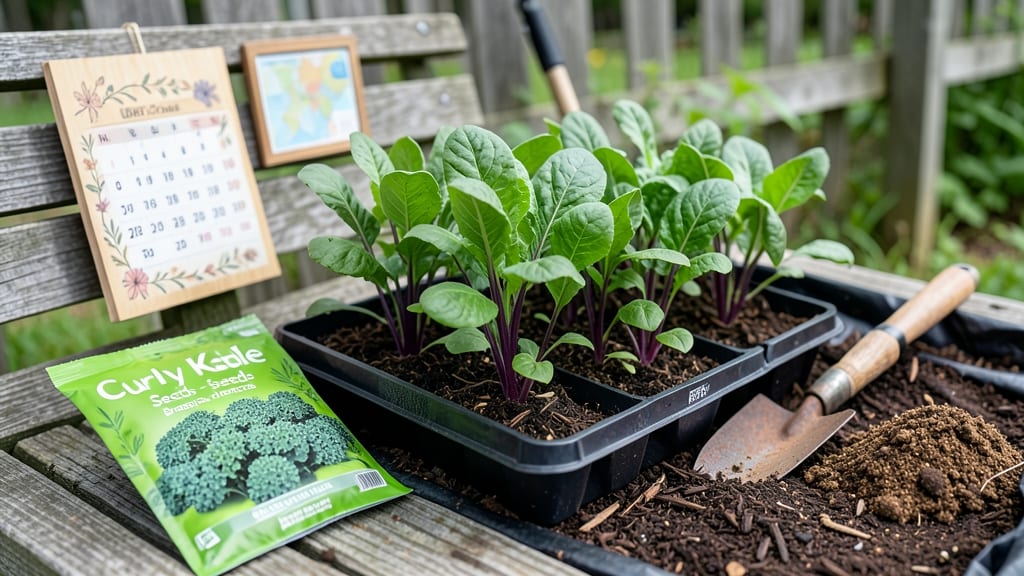
To start a garden in Michigan, time your planting around your region's last frost date—typically late April to mid-May in southern areas and late May to early June in northern zones. Cold-hardy crops like peas and spinach should go in 4-6 weeks before the last frost, while warm-season plants like tomatoes and peppers need soil temperatures above 60°F, usually planted after Memorial Day.
Michigan's planting timeline varies dramatically between the Upper Peninsula and Lower Peninsula, with some areas experiencing frost as late as early June. 🌱 The key is checking your local USDA Plant Hardiness Zone—southern Michigan's Zone 6 can start earlier than northern Zone 4b areas.
I always recommend testing soil temperatures with a thermometer rather than relying solely on dates, as spring weather can be unpredictable. For example, while southern Michigan might be ready by late April, northern regions often need to wait until Memorial Day or later for safe planting.
Another critical factor is understanding which crops thrive in Michigan's short growing season.
Cool-season vegetables like lettuce and radishes can handle early spring plantings, while heat-loving plants like cucumbers and squash need to wait until after the last frost when nighttime temperatures consistently stay above 50°F. I've found that using row covers can extend the growing season by 2-3 weeks for early plantings, giving me more flexibility with my schedule.
💡 In This Article
- Michigan’s Last Frost Dates by Region and Their Impact on Planting
- Plant-Specific Michigan Gardening Calendar: What to Sow When
Michigan’s last frost dates by region and their impact on planting
Michigan's frost patterns create a dramatic gardening divide between regions. The Upper Peninsula (Zone 4b-5a) often sees its last frost in late May to early June, while southern Michigan (Zone 6a) can be frost-free by mid-May. This 10-15 day difference means early plantings in Detroit might fail in Marquette.
Microclimates add complexity—urban areas like Ann Arbor warm up faster than rural farmland due to concrete heat absorption, creating 2-3 week variations even within 20 miles.
The science behind frost timing involves atmospheric conditions where cold air settles into low-lying areas. In Michigan's valleys, frost lingers longer than hilltops where warmer air collects. This is why gardeners in Traverse City (Zone 6a) can plant peas by early April while those in Sault Ste.
Marie (Zone 4b) must wait until May 15. Soil temperature matters just as much—seeds need 40-50°F for germination, but roots won't develop properly below 55°F, even if air temperatures are warmer.
USDA Plant Hardiness Zone maps provide a baseline, but local data is crucial. The Michigan State University Extension offers county-specific frost records showing 30-year averages—these reveal that while the average last frost in Kalamazoo is May 10, actual dates can vary by ±14 days.
I always recommend checking weekly forecasts in spring, as a late cold snap can push frost dates back by weeks. For example, the infamous 2018 late-May frost damaged thousands of tomato plants statewide.
Transplanting adds another layer of complexity. Seedlings like peppers need 60-70°F soil temperatures and can't tolerate frost, even if they're hardy plants. This means northern Michigan gardeners often start warm-season crops indoors in March to have mature plants ready by June.
The 3-week head start gives seedlings time to develop strong root systems before facing Michigan's unpredictable spring weather patterns.
Urban gardeners face additional challenges from wind exposure. City buildings create wind tunnels that accelerate heat loss, making frost more likely in downtown areas. I've noticed my Detroit garden's north side gets frost 3-5 days later than the south side, where brick walls radiate heat.
This microclimate effect explains why some urban gardeners succeed with earlier plantings while their rural neighbors struggle—location matters more than general frost dates.
For precision planning, combine USDA zones with local weather station data. The National Weather Service's Frost/Freeze Forecast provides 3-day warnings that help time critical plantings. I've found that setting calendar reminders for April 15 and May 15 helps me track progress toward frost-free dates across Michigan's diverse regions.
The 10-day rule (waiting 10 days after average last frost) gives a safety margin for those late-year surprises.