Vegetables
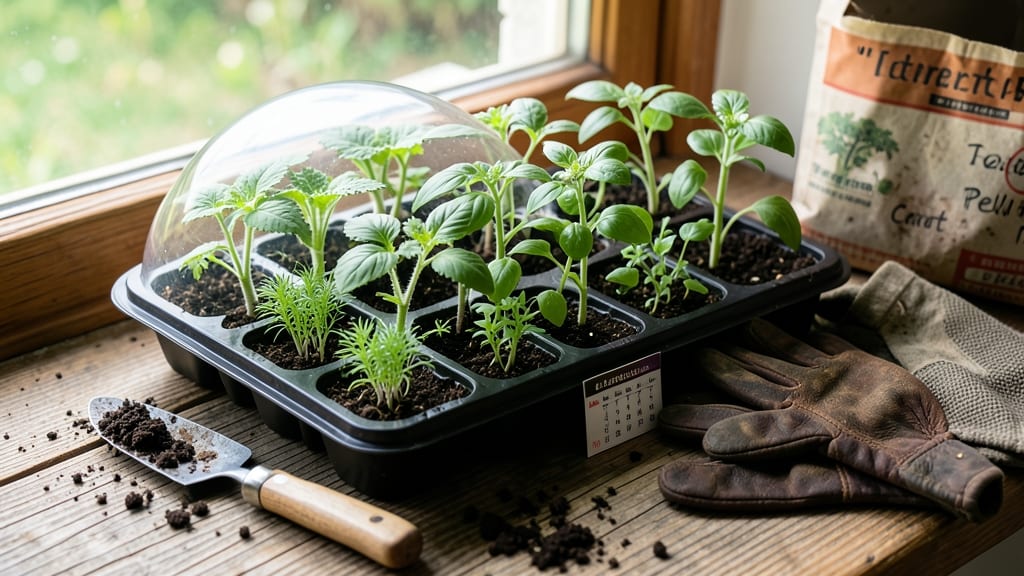
To start gardening vegetables at the perfect time means planting when the soil is warm enough and the frost risk is gone—so you avoid stunted plants or bolted greens.
Timing your vegetable planting wrong can mean wasted seeds, stunted growth, or even crop failure—so knowing your zone-specific deadlines is the secret to a thriving garden.
In Zone 6a, like many northern regions, the window opens around March to April, but the exact date depends on whether you're sowing cool-season crops like lettuce or heat-lovers like tomatoes.
Most gardeners wait until after the last frost—usually mid-April in Zone 6a—but soil temperature matters just as much. If you plant too early, your 🥕 seedlings will languish in cold ground, while waiting too long risks missing the growing season entirely for fast-maturing crops.
Below, I break down how to pinpoint your ideal planting window, including when to start seeds indoors, how to prep your soil, and which vegetables to prioritize for a foolproof harvest.
Zone-by-zone planting deadlines for frost-free vegetable success
Getting your zero-frost vegetables like tomatoes, peppers, and cucumbers in the ground at the right time makes all the difference between a bountiful harvest and wasted effort.
Each USDA hardiness zone has unique last frost dates, and planting too early can kill tender seedlings while waiting too long reduces your growing season.
Let’s break down the exact windows for frost-free success across zones 3 through 10, including regional tweaks for areas like the Pacific Northwest or Deep South.
Most heat-loving crops need soil temperatures above 60°F and no risk of frost to thrive. If you plant too soon, cold snaps will shock or kill your plants—especially tomatoes and peppers, which are particularly sensitive.
Conversely, planting too late cuts your harvest window short. Here’s how to time it perfectly based on your zone, plus regional adjustments that can save your garden from common mistakes.
📌 Key Rule: Always check your local frost dates (not just the USDA zone averages) and adjust for microclimates like urban heat islands or sheltered valleys. For example, a Zone 7 garden in the foothills might have a later last frost than one in a valley.
Below is your zone-by-zone planting timeline for frost-free vegetables, including regional variations and actionable deadlines for starting seeds indoors or transplanting outdoors.
| USDA Zone | Last Frost Date (Avg.) | Start Seeds Indoors | Transplant Outdoors | Regional Adjustments |
|---|---|---|---|---|
| Zones 3-4 | May 1 - May 15 | March 1 - March 15 | May 20 - June 1 | Northern MN/MI: Delay 1-2 weeks |
| Zones 5-6 | April 15 - May 1 | February 15 - March 1 | April 30 - May 10 | Pacific NW: Start 2 weeks earlier |
| Zones 7-8 | March 15 - April 1 | January 15 - February 1 | March 20 - April 1 | Deep South: Start 1 week later |
| Zones 9-10 | January 15 - February 1 | Direct sow after threat of frost | February 15 - March 1 | Desert SW: Plant in fall for winter harvest |
For Zones 3-4, where frosts linger into May, start tomatoes and peppers indoors by early March to give seedlings enough time to mature before the last frost.
In Zones 5-6, you can push it slightly earlier, but be ready to protect young plants with row covers if late frosts sneak in.
Gardeners in Zones 7-8 often enjoy two planting seasons—spring and fall—but zero-frost crops like cucumbers and basil still need warm soil, so wait until mid-March for transplanting.
In Zones 9-10, frost is rare, but heat waves can stress young plants. Direct-sow okra and sweet potatoes after February 15 for a summer harvest, or plant in fall for a winter crop.
The Pacific Northwest (e.g., Oregon, Washington) often has cooler microclimates, so adjust your timeline 2 weeks earlier than the zone average. Conversely, the Deep South (e.g., Florida, Louisiana) can plant 1-2 weeks later thanks to longer growing seasons.
💡 Pro Tip: Use soil thermometers to confirm temperatures are above 60°F before transplanting. Cold soil stunts root growth, even if air temperatures are warm. For container gardens, add 1-2 weeks to your timeline since pots heat up and cool down faster than in-ground soil.
If you’re in a transitional zone (e.g., Zone 7b vs. 8a), err on the side of planting later—you can always extend your season with season extenders like cold frames or black plastic mulch.
And remember: Peppers are the most frost-sensitive of all zero-frost crops, so give them extra time to harden off before transplanting.
Finally, track your local frost dates for the past 5 years—climate change is shifting these windows faster than USDA maps can keep up.
Adjust your planting deadlines based on your personal garden’s history to avoid common pitfalls like blossom end rot in tomatoes (a sign of inconsistent soil temperatures) or stunted peppers from early cold stress.
With these zone-specific deadlines, you’ll maximize your harvest and avoid the heartbreak of frost-killed seedlings. Now that you’ve got your timeline, it’s time to prep your soil and get those seeds in the ground!
How to calculate your local planting window for maximum yield
Figuring out the perfect time to plant your vegetables isn't just about guessing—it's about understanding your local climate, soil conditions, and plant needs. One wrong move can mean wasted seeds or stunted growth, but getting it right means bigger harvests and healthier plants.
Start by checking your last frost date, which varies dramatically across the U.S. For example, in Zone 5, the last frost might be May 15, while in Zone 9, it could be as late as February 15.
Next, grab your seed packet instructions—they often include a "days to maturity" estimate. This tells you how long your plants need to grow before harvest.
For instance, if your tomatoes take 80 days to mature and your last frost is April 15, you'll need to plant 6 weeks earlier to ensure a full growing season. But remember, this is just the starting point!
- 📅 Step 1: Find Your Last Frost Date
Check your USDA Zone and local weather averages. Use resources like the National Oceanic and Atmospheric Administration (NOAA) or your local Cooperative Extension Service for precise data. - 🌱 Step 2: Check Seed Packet Instructions
Note the days to maturity for your chosen vegetables. For example, basil might take 60 days, while squash could take 50 days. - ⏳ Step 3: Calculate Your Planting Window
Subtract the days to maturity from your last frost date. For Zone 6 with a May 10 last frost, planting tomatoes (80 days) means starting seeds by February 20. - 🌡️ Step 4: Verify Soil Temperature
Most vegetables need soil temps of at least 60°F (15°C). Use a soil thermometer to confirm before planting. If it's too cold, wait or use row covers. - 🏙️ Step 5: Adjust for Micro-Climates
Urban areas, near bodies of water, or slopes can create warmer or cooler spots. Observe your garden’s unique conditions—south-facing walls or paved areas may heat up faster. - 🪴 Step 6: Modify for Containers
Potted plants warm up faster than in-ground soil. Start 1-2 weeks earlier for container-grown vegetables, as they’re more exposed to heat. - 📝 Step 7: Mark Your Calendar
Once you’ve calculated your window, write it down and set reminders. Pro tip: Use a garden journal to track success and tweak future years.
Don’t forget to account for warm-season vs. cool-season crops. Tomatoes, peppers, and cucumbers thrive in warm soil and should only be planted after your last frost, while lettuce, spinach, and peas can handle cooler temps and may even do better with an early spring planting.
If you’re unsure, start with fast-growing crops like radishes or green onions to test your timing.
For urban gardeners or those with limited space, consider successive planting. Instead of planting all your seeds at once, stagger them every 2 weeks to extend your harvest.
For example, plant a batch of bush beans on May 1, another on May 15, and a final batch on June 1 to enjoy fresh beans all summer long.
Finally, keep an eye on weather forecasts in the weeks leading up to your planting date. A sudden cold snap can delay your garden, so have a backup plan—like row covers or cold frames—to protect tender seedlings.
With these steps, you’ll be well on your way to a productive, timely garden that yields delicious vegetables all season long! 🌱