
How To
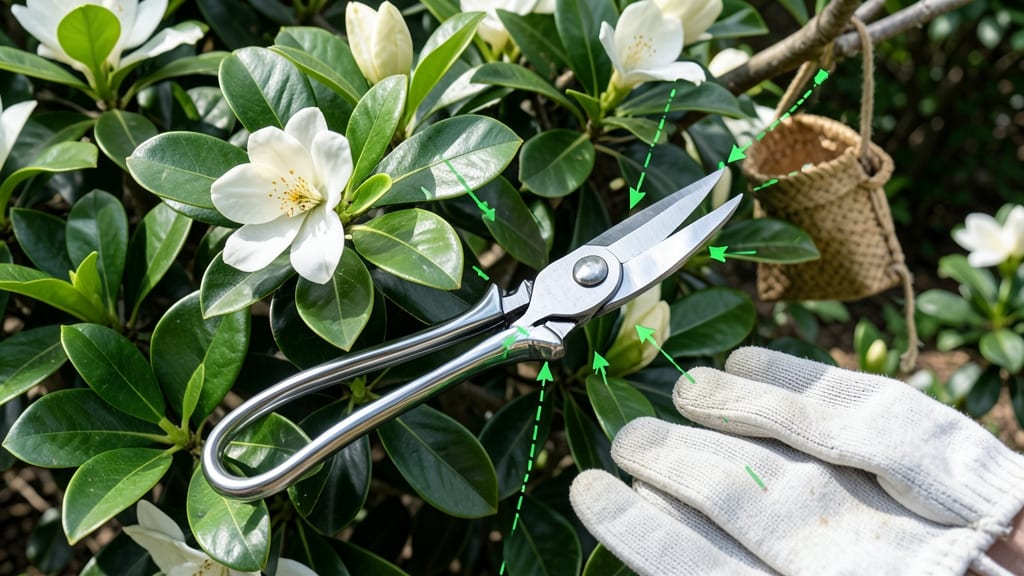
To trim gardenia bushes at the right time ensures stronger blooms and healthier growth—late winter, just as new buds form, is the game-changer for your 🌸 gardenia’s success.
Picture this: You’ve spent months admiring your gardenia’s fragrant white blooms, only to watch them dwindle after a misplaced trim. The truth? Timing everything wrong can leave your plant struggling to recover—or worse, skip blooming entirely.
Most gardeners in USDA Zones 6a-10a (including Zone 6 defaults) should prune between February and early March, cutting back just as the plant begins to wake from dormancy. This window gives your gardenia time to heal before the rush of spring growth.
In this guide, I’ll walk you through the exact steps to trim your gardenia—when to stop, what tools to use, and how to avoid the three biggest mistakes that kill blooms. Ready to transform your gardenia from struggling shrub to showstopper?
Best late winter timing for trimming gardenia bushes
Timing your gardenia pruning correctly in late winter is the difference between a bush bursting with fragrant blooms and one that struggles to recover. Gardenias bloom on old wood, meaning last year's growth produces this year's flowers.
Cutting too early or too late disrupts this process, often leading to fewer blooms or leggy, weak growth.
For most regions, the ideal window falls between 4-6 weeks after dormancy, typically late February through early April in USDA zones 7-11. This timing aligns with when gardenias break dormancy but before new growth signals active spring.
Miss this window, and you risk pruning off next year's flower buds.
The key is watching for swollen buds on branches—these indicate the plant is waking up. In warmer zones (like zone 10-11), this might happen as early as January, while cooler zones (like zone 7-8) may wait until March.
Always prune before you see fresh green leaves emerge.
| USDA Zone | Optimal Pruning Window | Key Sign to Watch | Avoid Pruning If... |
|---|---|---|---|
| Zones 7-8 | Late February - Early April | Swollen buds appear | New green leaves emerge |
| Zones 9-10 | January - Mid-February | First signs of bud swell | Active leaf growth starts |
| Zone 11 | December - January | Bud formation begins | Tender new shoots appear |
Why does this timing matter so much? Gardenias form flower buds on the previous year's growth. If you prune too early (like in winter), you risk cutting off these buds before they mature.
Prune too late (after spring growth starts), and you remove energy the plant needs for new foliage and blooms.
In USDA zone 7, for example, gardenias often enter dormancy in November and stay dormant until February. Wait until late February to prune—this gives the plant enough time to recover before spring's active growth.
In zone 10, where winters are mild, prune in January to avoid disturbing early bud formation.
One common mistake is pruning based on calendar dates instead of plant signals. Always inspect your gardenia for dormant buds—they'll look like small, firm bumps along the branches. If you see green tips or new leaves, it's too late to prune for blooms that year.
Regional microclimates also play a role. A gardenia in a sheltered, sunny spot may wake up earlier than one in a shady or windy area. Observe your plant's behavior for 2-3 years to pinpoint the best time for your specific location.
Adjust your timing by 1-2 weeks if needed based on these observations.
Pro tip: Mark your calendar after your gardenia's first bud swell in late winter. This becomes your personalized pruning deadline for the following year. Over time, you'll develop an instinct for when your gardenia is ready—just look for those tight, swollen buds along the branches.
Remember, gardenias reward patience. A well-timed late winter prune sets the stage for healthier growth and more abundant blooms all season. Skip this step, and you might end up with a bush that's all leaves and no flowers—so don't wait until spring to get your pruners out!
Step-by-step pruning guide for maximum blooms
Pruning your gardenia bushes isn't just about shaping—the timing and technique directly impact next year's flower production. When done right, you'll encourage lush foliage and abundant blooms, but cutting at the wrong time can leave your plant stressed.
The key is to remove dead wood, crossing branches, and overcrowded growth while preserving healthy buds.
Start by gathering your tools: sharp bypass pruners for clean cuts, sterilized shears for small branches, and rubbing alcohol to disinfect tools between cuts. Avoid dull blades—they crush stems, inviting disease infections.
Focus on making 30-degree angle cuts just above outward-facing buds, which encourages new growth in the right direction.
- Step 1: Remove dead or diseased branches first—cut them back to healthy wood or the main stem.
- Step 2: Trim crossing branches to improve airflow and reduce fungal risks.
- Step 3: Cut back overcrowded growth to open the center of the bush for sunlight penetration.
- Step 4: Shape the bush by trimming outer growth to maintain a balanced silhouette.
- Step 5: Make 30-degree angle cuts above outward-facing buds to encourage new growth.
- Step 6: Sterilize tools with rubbing alcohol between cuts to prevent spread of disease.
- Step 7: Apply mulch around the base to retain moisture and protect roots.
One of the biggest mistakes gardeners make is cutting into old wood—the thick, woody stems that no longer produce new growth. These cuts won't regenerate, leaving your gardenia with bare spots. Instead, focus on younger branches that can sprout new leaves and flowers.
If you've over-pruned in the past, don't panic—apply a balanced fertilizer (like 10-10-10) and keep the soil consistently moist to encourage recovery.
For reviving over-pruned gardenias, prune lightly in the next growing season to stimulate new growth. Avoid heavy pruning again until the plant shows signs of recovery, like new leaf production.
Patience is key—over-pruned bushes may take a season or two to bounce back fully, but with proper care, they'll reward you with even more stunning blooms.
After pruning, monitor your gardenia for new growth signs like fresh leaves or buds. If you notice yellowing leaves or dropping buds, it could signal stress—adjust your watering or check for pests like spider mites.
With the right technique, your gardenia will thrive and become the fragrant centerpiece of your garden.
Remember, the goal is to encourage healthy regrowth while maintaining the bush's natural shape. A little effort now means months of beautiful blooms later—worth every minute of pruning!