
Vegetables
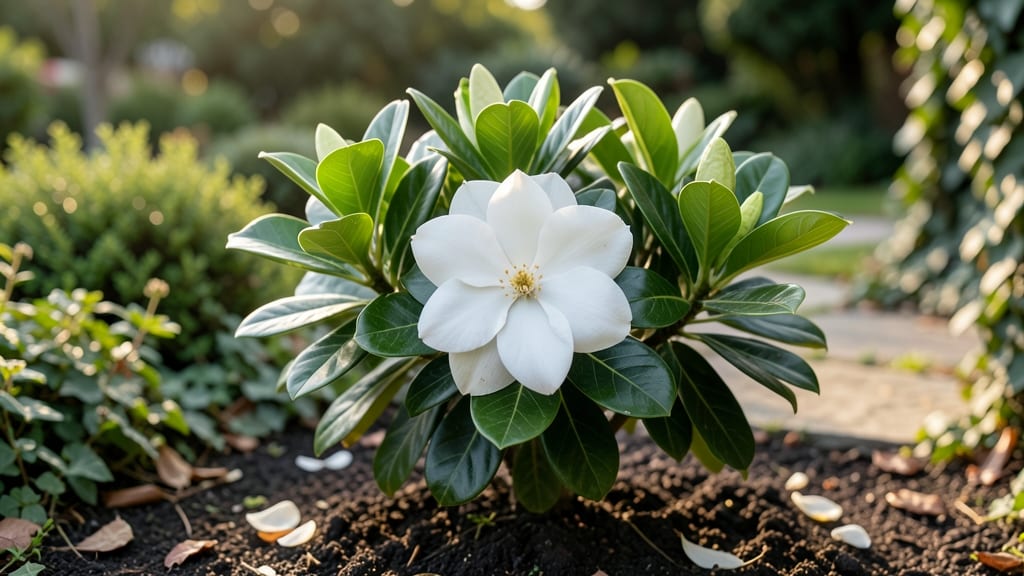
White House gardeners grow seasonal produce, heirloom flowers, and native plants tailored to the First Family’s preferences and eco-friendly goals, employing organic practices and historical varieties. Their methods combine tradition with innovative techniques for both aesthetic appeal and productive harvests.
The White House gardener’s approach reflects a thoughtful balance between history and sustainability. 🌿 For example, they often incorporate heirloom varieties like 'Cherokee Purple' tomatoes, prized for their flavor and historical significance, alongside modern hybrids that thrive in Washington’s climate.
This careful selection ensures both visual beauty and practical yields—whether for presidential dinners or community outreach programs.
What sets their work apart is the integration of modern techniques with traditional values. 💫 Organic soil management, such as composting kitchen scraps from the White House kitchen, reduces waste while enriching the garden naturally.
Water conservation methods, like drip irrigation, help maintain the gardens during dry spells, proving that even iconic spaces can lead by example in environmental stewardship.
💡 In This Article
- Historical and Modern Plant Choices in White House Gardens
- Sustainable Gardening Techniques Used by White House Gardeners
Historical and modern plant choices in White House gardens
The White House gardens have long been a canvas for both history and horticulture, with plant selections carefully curated to reflect the First Family's tastes while honoring the nation's agricultural heritage. 🌸 For instance, heirloom varieties like 'Cherokee Purple' tomatoes—known for their deep purple hue and rich, smoky flavor—were introduced during Michelle Obama's tenure as First Lady.
These tomatoes aren't just chosen for their taste; they're also drought-resistant, making them ideal for Washington's humid summers where rainfall can be unpredictable. The decision to plant them aligns with both culinary tradition and practical sustainability.
Flowers play an equally vital role, with roses often taking center stage due to their historical significance and versatility. 🌹 The 'Knock Out' rose series, for example, was a favorite during the Obama administration because it blooms continuously from spring to frost, requiring minimal care while providing year-round color.
These roses thrive in Washington's USDA Hardiness Zone 7a, where winters can dip below 10°F but summers regularly reach 90°F. The gardeners also incorporate native plants like black-eyed Susans and purple coneflowers to support local pollinators, creating a self-sustaining ecosystem that reduces the need for chemical interventions.
Modern plant choices often reflect the First Family's personal interests and dietary preferences.
For example, during the Trump administration, the gardens featured an expanded vegetable plot that included 20 varieties of herbs, such as basil, rosemary, and thyme, to support the White House kitchen's focus on fresh, locally sourced ingredients. 🌿 These herbs were planted in raised beds to improve drainage and soil quality, a technique that also makes them more accessible for visitors with mobility challenges.
The gardeners use soil tests to ensure pH levels stay between 6.0 and 7.0, the optimal range for most vegetables and herbs.
Seasonal adaptations are critical in Washington's climate, where growing conditions shift dramatically between spring and fall.
In early spring, gardeners plant cool-season crops like lettuce and spinach, which can tolerate temperatures down to 32°F, while summer brings heat-loving plants such as okra and sweet potatoes. 🌿 The use of cold frames and row covers extends the growing season by 4-6 weeks at both ends of the year, allowing for nearly year-round harvests.
This approach not only maximizes productivity but also reduces the need for imported produce, aligning with the White House's sustainability goals.
Historical varieties are often chosen for their resilience and adaptability, as seen with the 'Washington Market' tomato, a heirloom developed in the 19th century.
This variety was a staple in early American gardens and is particularly well-suited to Washington's climate, producing 6-8 ounces per tomato with a balanced sweet-tart flavor. 🍅 By integrating these plants, the gardeners create a living connection to America's agricultural past while ensuring the gardens remain productive and visually stunning for visitors and the First Family alike.
The gardeners also pay close attention to color palettes, often selecting plants that complement the White House's historic architecture.
For example, the use of white and blush-colored flowers like peonies and hydrangeas creates a soft, elegant backdrop that contrasts beautifully with the building's iconic white facade. 💫 This thoughtful design ensures the gardens not only serve a functional purpose but also enhance the White House's aesthetic appeal, making them a point of pride for both residents and visitors.