
Vegetables
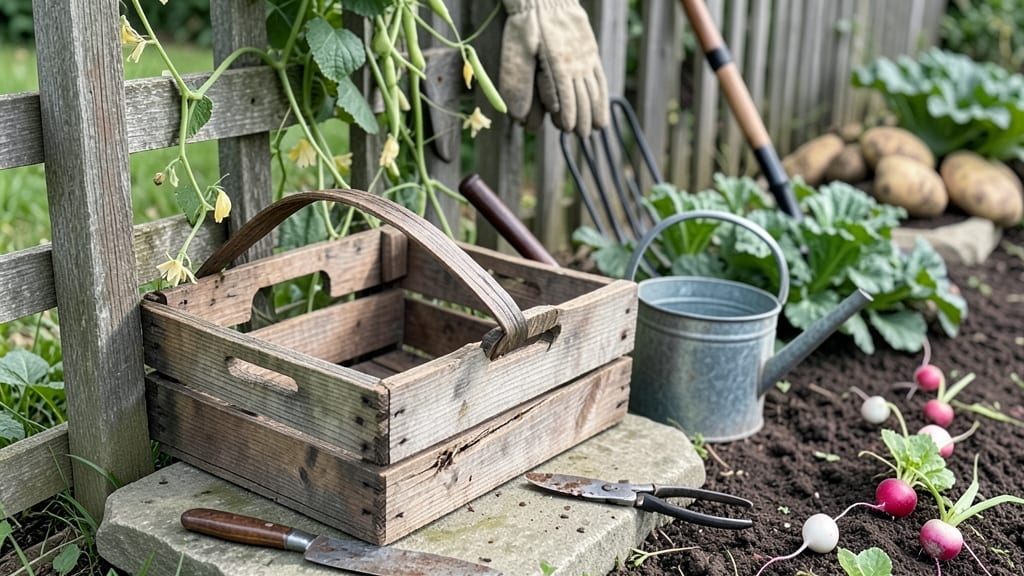
World War One victory gardens transformed backyards and urban spaces into productive farms, growing vegetables, herbs, and fruits to combat food shortages during wartime rationing, producing millions of pounds of produce annually while inspiring a lasting gardening movement that continues to shape urban agriculture today.
These wartime gardens weren't just about survival—they were a strategic response to food scarcity. 🌱 The U.S. government launched "Food Will Win the War" campaigns in 1917, encouraging families to dedicate just 10% of their land to growing vegetables like potatoes, carrots, and cabbage.
What made them so effective was their adaptability: gardeners used every inch of space, from rooftops to window boxes, and even planted in trenches to maximize yield. Many communities formed cooperative plots where neighbors shared tools and knowledge, creating a sense of collective purpose that extended beyond the war years.
What's fascinating is how these methods directly influenced modern urban farming. Techniques like vertical gardening and intensive planting—originally developed to stretch limited space—are now staples in city gardens worldwide.
Today's urban growers can replicate this success by focusing on high-yield crops, using raised beds for better soil control, and implementing companion planting to deter pests naturally. The legacy of WWI victory gardens proves that even small spaces can make a big impact on food security and community resilience.
💡 In This Article
- How WWI Victory Gardens Revolutionized Home Food Production
- Modern Victory Garden Techniques for Urban Growers
How WWI victory gardens revolutionized home food production
The U.S. government's "Food Will Win the War" campaign in 1917 wasn't just propaganda—it was a calculated strategy to supplement wartime food supplies. 🌱 By encouraging families to dedicate just 10% of their land to growing vegetables, the program transformed private spaces into productive farms.
The government distributed free seeds through local post offices, prioritizing high-yield crops like potatoes (3-5 pounds per plant), carrots (1-2 pounds per square foot), and cabbage (2-3 heads per plant) that could thrive in small plots.
Space optimization was key to their success. Gardeners employed intensive planting techniques, like the "trench method" where seeds were planted in narrow, deep furrows to maximize root growth in limited soil.
Vertical gardening also emerged as a necessity—trellises for peas and beans saved space while increasing yield by 30-50% compared to ground planting. Even urban dwellers grew food in window boxes and rooftops, proving that productivity wasn't tied to land size but to smart planning.
The crop selection wasn't random—it was data-driven. Agricultural experts recommended varieties that matured quickly (like radishes in 3-4 weeks) and stored well (potatoes could last months in cool cellars). This ensured families had fresh produce during growing seasons and preserved food through winters.
The government even published home gardening manuals with planting charts and pest control tips, making success accessible to novices.
What made these gardens truly revolutionary was their community aspect. Neighborhoods formed cooperative plots where families shared tools, knowledge, and harvests. 🌿 This collective effort not only increased production but also fostered social bonds that lasted beyond the war.
The success of these gardens proved that decentralized food production could relieve pressure on commercial supplies—a lesson that resonates today in discussions about food sovereignty and urban resilience.
Another critical factor was the psychological impact. During rationing, growing even a few vegetables gave families a sense of control and self-sufficiency. The act of planting and harvesting became a morale booster, demonstrating how personal actions could contribute to national efforts.
This dual benefit—practical food production and emotional support—made victory gardens uniquely effective during wartime.
Perhaps most importantly, these gardens laid the foundation for modern urban agriculture. The techniques developed during WWI—like maximizing vertical space, selecting high-yield crops, and fostering community collaboration—are now staples in city farming movements worldwide.
Today's urban growers can draw directly from this history to create productive spaces in even the most constrained environments.