
Container Gardens
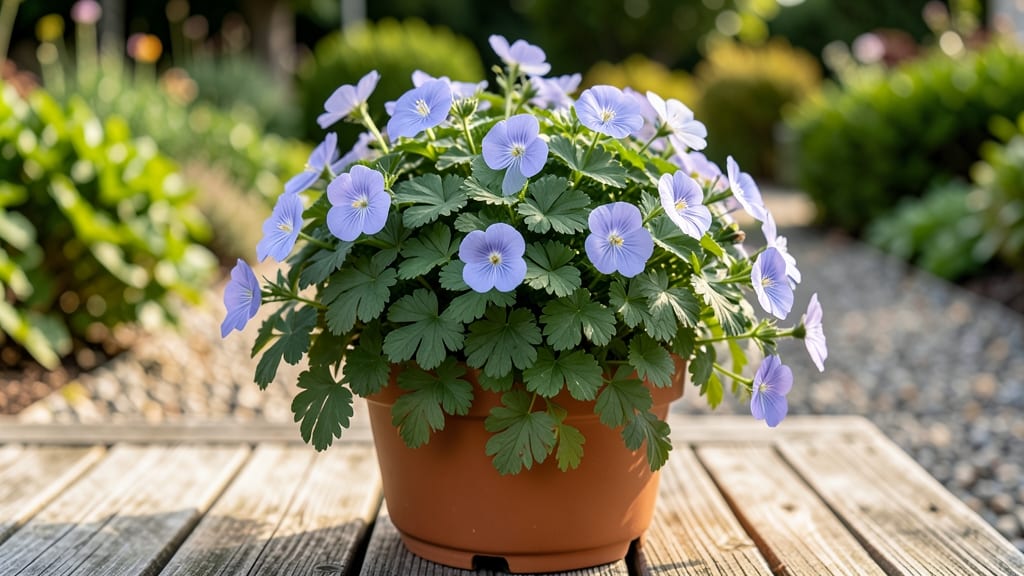
Thirty-litre garden pots create ideal growing conditions for medium-sized plants, accommodating vegetables like bell peppers, fragrant herbs such as rosemary, or vibrant flowering shrubs like geraniums. Prioritize drainage and sturdy construction to handle weight loads up to 20-30kg safely.
These containers strike the perfect balance between size and portability, making them perfect for urban balconies or small patios. 🌱 The 30-litre capacity supports plants that need more space than small pots but aren't ready for full-ground planting.
I've found that adding a layer of gravel at the bottom improves drainage while keeping roots aerated—critical for preventing waterlogged soil. For stability, wider bases distribute weight better than tall, narrow designs, especially when filled with soil and mature plants.
When choosing plants, focus on varieties with moderate root systems like basil or thyme, which thrive in this volume without becoming root-bound. Pairing plants with complementary needs—like a shallow-rooted herb with a deeper vegetable—maximizes space efficiency.
Always verify a pot's material: plastic offers lightweight portability, while ceramic adds aesthetic appeal but requires more maintenance to prevent cracking.
💡 In This Article
- Optimal Plant Selection for 30-Litre Containers
- Maximizing Drainage and Stability in Large Garden Pots
Optimal plant selection for 30-Litre containers
Root depth and growth habits are the key factors when selecting plants for 30-litre containers. Most vegetables and herbs need roots to spread 30-50cm deep to access nutrients and water efficiently.
For example, bell peppers develop root systems about 45cm deep at maturity, making them ideal candidates, while shallower-rooted herbs like thyme or oregano thrive with just 20-30cm of soil depth. The 30-litre capacity provides roughly 30cm of depth in a standard pot, which works perfectly for these mid-sized plants.
Water retention needs vary dramatically between plant types.
Succulents like sedum or sempervivum store water in their leaves, requiring minimal moisture, while leafy greens like lettuce or spinach need consistently damp soil. 🌱 The 30-litre pot holds about 25-30 litres of soil when filled, which means you'll need to water roughly once every 2-3 days in warm weather for thirsty plants like tomatoes, compared to once a week for drought-tolerant rosemary.
This volume also supports companion planting—pairing a deep-rooted tomato with a shallow basil plant maximizes vertical space while meeting both plants' needs.
Nutrient demands play a critical role in container gardening. A 30-litre pot contains roughly 20kg of soil, which holds about 1-2% organic matter by volume. This means heavy feeders like tomatoes or peppers will deplete nutrients faster than lighter plants.
To compensate, use a slow-release fertilizer or liquid feed every 4-6 weeks during the growing season. I've found that adding 2-3 handfuls of compost at planting time provides a nutrient boost without overwhelming the root system.
Consider the mature plant size when choosing varieties. A single tomato plant can reach 1.5-2m tall with sprawling foliage, while a rosemary bush stays compact at 60-90cm. The 30-litre pot can comfortably support one medium-sized plant or two smaller companions, but avoid overcrowding—roots need space to breathe.
For instance, you could pair a single basil plant with a small chili pepper, but adding a second pepper would compete for resources and stunt growth.
Seasonal considerations matter too. Cool-season crops like kale or radishes grow quickly and can be harvested before they outgrow the container, while warm-season plants need the full growing season to mature.
The 30-litre pot is versatile enough for both, but you'll need to adjust planting times—cool crops in early spring or fall, warm crops after the last frost when soil temperatures reach 15°C or higher.
This timing ensures roots have enough time to establish before the plant reaches its peak size.
Finally, think about the plant's life cycle. Annuals like marigolds or zinnias complete their growth in one season, while perennials like lavender or sage return year after year. The 30-litre pot works well for both, but perennials benefit from a winter mulch layer to protect roots during cold months.
For example, a lavender plant in a 30-litre pot will thrive for years with proper care, while an annual like nasturtiums will need replanting each spring.