
Planting
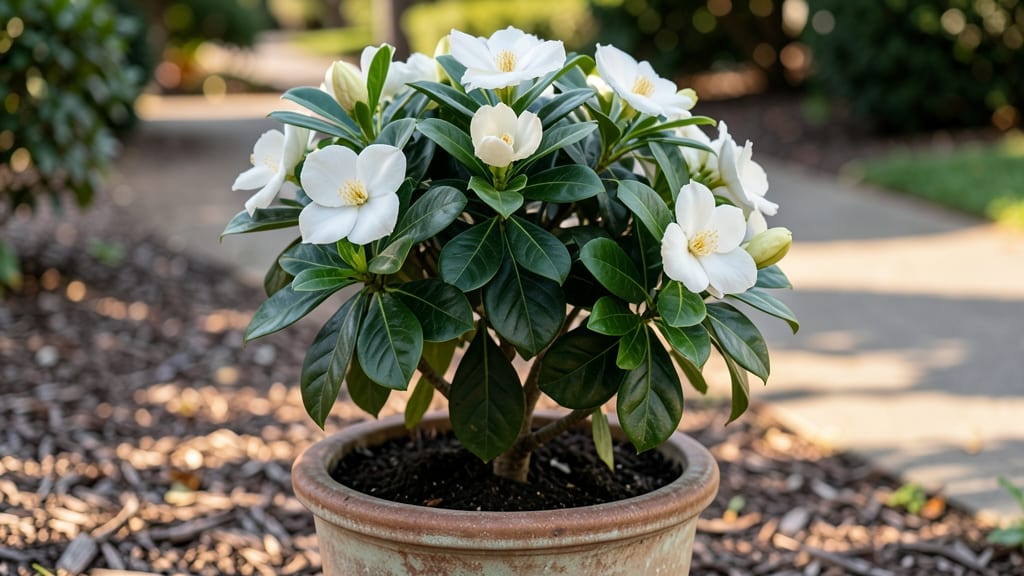
The size of a gardenia plant 🌸 can transform your garden from a modest corner to a fragrant centerpiece—if you pick the right variety for your space.
If you’ve ever dreamed of adding fragrant, glossy-leaved gardenias to your landscape but worry about them outgrowing their space, you’re not alone. These tropical beauties vary wildly in size, from compact patio darlings to towering shrubs that need room to breathe.
Understanding gardenia plant size isn’t just about aesthetics—it’s about choosing the perfect fit for your garden layout. A 3-foot dwarf thrives in containers, while a 6-foot standard makes a stunning hedge.
Pruning and spacing play a huge role in keeping them manageable, whether you’re working with a small balcony or a sprawling backyard.
Below, I’ll break down mature heights by variety, share pruning secrets to control growth, and help you decide which gardenia will flourish in your space—without taking over.


Gardenia plant size by variety: mature heights and spread
Choosing the right gardenia variety starts with understanding their mature size and growth habits. Some varieties stay under 3 feet, perfect for containers, while others reach 15 feet, making them ideal for hedges or privacy screens.
Knowing these dimensions helps you plan spacing, sunlight exposure, and even pruning strategies to keep your gardenia thriving without overcrowding.
Gardenias grow at different rates depending on the variety, soil conditions, and care routine. For example, Gardenia jasminoides—the most common type—typically matures between 3 to 6 feet in height, while Gardenia radicans can climb up to 15 feet if given support.
Below, I’ve broken down the most popular varieties, including their height ranges, spread, and growth rates to help you pick the perfect fit for your space.
| Variety | Mature Height (ft) | Mature Spread (ft) | Growth Rate | Best For |
|---|---|---|---|---|
| Gardenia jasminoides | 3–6 ft | 3–5 ft | Moderate | Borders, hedges, containers |
| Gardenia augusta (Fortuniana) | 6–10 ft | 5–8 ft | Fast | Privacy screens, large landscapes |
| Gardenia radicans | 10–15 ft (climbing) | 3–5 ft (spread) | Fast | Trellises, fences, vertical gardens |
| Gardenia 'Kleim's Hardy' | 3–5 ft | 3–4 ft | Slow to moderate | Cold-hardy zones, containers |
| Gardenia 'Radicans Veitchii' | 8–12 ft (climbing) | 4–6 ft | Fast | Arbors, pergolas, walls |
| Gardenia 'Mystery' | 2–3 ft | 2–3 ft | Slow | Small spaces, balconies, pots |
| Gardenia 'Veitchii' | 10–12 ft (climbing) | 3–5 ft | Moderate | Tropical landscapes, large gardens |
| Gardenia 'Fortuniana' | 6–8 ft | 5–7 ft | Fast | Hedges, foundation plantings |
| Gardenia 'Radicans Veitchii Compacta' | 4–6 ft | 3–4 ft | Moderate | Small gardens, mixed borders |
| Gardenia 'Kleim's Hardy Compact' | 2–3 ft | 2–3 ft | Slow | Patio pots, windowsills |
| Gardenia 'Radicans Veitchii Variegata' | 8–10 ft (climbing) | 4–5 ft | Fast | Vertical gardens, trellises |
| Gardenia 'Radicans Veitchii Mini' | 1–2 ft | 1–2 ft | Very slow | Tiny spaces, fairy gardens |
If you’re working with limited space, varieties like 'Mystery' or 'Kleim's Hardy Compact' are
How to control gardenia plant size: pruning and growth habits
Gardenia plants thrive when given the right care, but their growth can quickly spiral out of control if left unchecked. Without proper size management, your once-charming gardenia can become an unruly giant, overshadowing other plants and disrupting your landscape design.
The key to keeping them in check lies in pruning techniques and understanding their natural growth habits.
Most gardenias grow 3-6 feet tall and wide, but some varieties—like Gardenia jasminoides—can reach up to 15 feet if unpruned. Even compact varieties need occasional trimming to maintain their shape and encourage abundant blooming.
The good news? With the right approach, you can shape your gardenia into a manageable, bushy beauty that fits perfectly in your garden.
⚠️ Warning: Over-Pruning Risks
Don’t trim more than 1/3 of the plant at once—this stresses gardenias and can reduce blooming. Timing matters too: Prune after flowering (late summer/early fall) to avoid cutting off next year’s buds. Dwarf varieties need gentler pruning—just shape lightly to maintain their small stature.
Start by inspecting your gardenia for overgrowth signs: leggy stems, sparse foliage, or branches growing inward. These are clear indicators it’s time to prune. Use clean, sharp pruners to make cuts just above a leaf node or bud.
This encourages new growth in the right direction and keeps your gardenia looking full and healthy.
For container-grown gardenias, root restriction naturally limits size—but don’t let the pot become too cramped. Repot every 2-3 years to refresh the soil and give roots room to spread. If your gardenia is in the ground, consider installing a root barrier if you’re worried about it spreading too far.
This is especially useful for climbing varieties like Gardenia radicans.
Seasonal care plays a huge role in managing size. In spring and summer, focus on watering deeply and fertilizing lightly to support steady growth. By late summer, reduce watering slightly to signal the plant it’s time to prepare for dormancy.
This helps control autumn growth spurts that can lead to unruly branches.
If you’re growing gardenias in containers, choose a pot that’s only slightly larger than the root ball—this encourages smaller, more compact growth. For in-ground plantings, space them 3-6 feet apart, depending on the variety.
Regularly check for suckers (shoots growing at the base) and remove them promptly to prevent overcrowding.
With consistent pruning and care, your gardenia will stay lush, fragrant, and perfectly sized for your space. The secret is patience—gardenia plants reward gentle, regular maintenance with vibrant blooms and healthy growth all season long. 🌿