
Fertilization
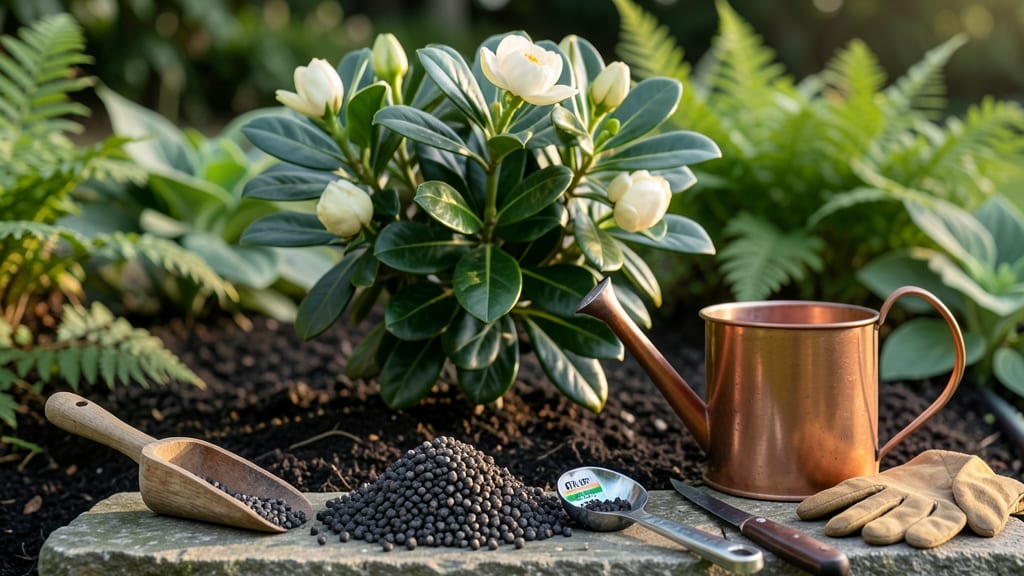
To keep your gardenias 🌸 thriving with vibrant blooms, you need an acid-based fertilizer tailored to their acidic soil needs.
Struggling to keep your gardenias blooming year after year? The secret might be hiding in your soil pH—gardenias thrive only in acidic conditions, and the right acid-based fertilizer can transform your plants from lackluster to lush in just weeks.
These plants demand a pH between 5.0 and 6.0, which is why standard fertilizers often leave them yellowing or failing to bloom. But with the right approach—whether it’s sulfur, peat moss, or citrus-based blends—you can give them the perfect growing environment.
Below, I’ll walk you through how to test your soil, choose the best fertilizer, and apply it the right way for year-round blooms without overdoing it.
How acid-based fertilizers boost gardenia growth and flowering
If your gardenias look more like sad, sparse shrubs than fragrant, blooming beauties, your soil might be the culprit. Gardenias crave acidic soil with a pH between 4.5 and 6.0—any higher, and they struggle to absorb essential nutrients like iron and manganese.
That’s where acid-based fertilizers come in, acting like a pH-balancing superhero for your plants.
These fertilizers don’t just add nutrients; they lower soil pH naturally by introducing elements like sulfur, aluminum, or peat moss. When the pH is just right, your gardenias can finally access the phosphorus and potassium they need to produce those iconic white, fragrant blooms.
Without it, you’re left with yellowing leaves, stunted growth, and fewer flowers—even if you’re watering and pruning perfectly.
But here’s the kicker: not all acid-based fertilizers work the same. Some release acid quickly (like ammonium sulfate), while others (like pine bark fines) take time to break down.
And if you overdo it, you can make the soil too acidic, which is just as harmful as soil that’s too alkaline. Let’s break down how to get it right—so your gardenias can finally thrive.
| Soil Condition | Ideal Range for Gardenias | Signs of Issue | Solution |
|---|---|---|---|
| pH Level | 4.5–6.0 | Yellow leaves, poor blooms | Apply acid-based fertilizer (e.g., sulfur, peat moss) |
| Iron Deficiency | pH > 6.5 | Yellowing between veins | Use chelated iron + lower pH |
| Manganese Deficiency | pH > 6.0 | Brown spots on leaves | Add manganese sulfate + acidifier |
| Aluminum Toxicity | pH < 4.5 | Stunted roots, wilting | Raise pH slightly with lime |
| Nutrient Uptake | 4.5–6.0 | Slow growth, pale leaves | Use acid-loving fertilizer (e.g., 8-3-9 NPK) |
The science behind acid-based fertilizers is all about making nutrients available. Gardenias need three critical micronutrients that become locked up in alkaline soil: iron, manganese, and aluminum. When your soil pH is too high (above 6.0), these nutrients bind to soil particles and become inaccessible.
Acid-based fertilizers dissolve these bonds, freeing up nutrients so your gardenias can absorb them through their roots.
For example, iron deficiency (common in alkaline soil) causes yellowing between leaf veins—a classic sign your gardenias aren’t getting enough. An acid-based fertilizer with chelated iron can reverse this in as little as 4–6 weeks.
Similarly, manganese deficiency shows up as brown spots, while aluminum toxicity (from over-acidification) stunts root growth. Balancing the pH is the key to fixing these issues.
To apply acid-based fertilizers correctly, start by testing your soil pH with a kit (available at garden centers for ~$10). If your pH is above 6.0, choose a slow-release acidifier like sulfur-coated urea or pine bark fines.
For quick fixes, ammonium sulfate works fast but requires careful monitoring. Always water deeply after application to help the fertilizer integrate into the soil.
One mistake I see often is over-applying acidifiers, which can drop the pH below 4.5—too acidic for gardenias. If you notice yellowing leaves with dark green veins or wilting despite proper watering, your soil may be too acidic.
In this case, raise the pH slightly with pelletized lime (but avoid quick lime, which can burn roots). Aim for small adjustments—changing the pH by 0.5–1.0 points per application is safest.
Pairing acid-based fertilizers with organic matter like compost or peat moss also helps maintain the right pH over time. These amendments buffer soil pH, preventing drastic swings. And don’t forget: well-draining soil is just as important as acidity.
Gardenias hate soggy roots, so amend heavy clay with perlite or sand if needed. With the right balance, your gardenias will reward you with glossy leaves and abundant blooms all season long.
Ready to give your gardenias the acidic boost they crave? Start with a soil test, then choose an acid-based fertilizer tailored to your pH needs. Your fragrant, blooming shrubs will thank you—literally, with their
Top 5 acid-based fertilizers for gardenias: comparison and best uses
Gardenias demand acidic soil (pH 4.5–6.0) to unlock their full potential, and choosing the right acid-based fertilizer can mean the difference between sparse blooms and lush, fragrant flowers. Organic options like pine bark and peat moss release acidity slowly, while synthetic choices such as ammonium sulfate deliver quick results.
Each has unique benefits—whether you prioritize long-term soil health or immediate pH correction.
For seasonal blooming, timing matters too. Slow-release fertilizers like sulfur-coated urea provide steady nutrition, while fast-acting elemental sulfur can rapidly adjust pH for struggling plants. Below, we break down the top 5 options, comparing cost, ease of use, and ideal scenarios for your gardenias.
| Fertilizer | Type | Pros | Cons | Best For |
|---|---|---|---|---|
| Pine Bark | Organic | Slow-release, improves soil structure, long-term acidity | Expensive, takes weeks to take effect | Established gardenias, soil amendment |
| Peat Moss | Organic | Holds moisture, affordable, easy to mix | Depletes over time, not a fertilizer itself | New plantings, container gardens |
| Ammonium Sulfate | Synthetic | Fast-acting, high nitrogen for growth, budget-friendly | Can burn roots if overused, salt buildup | Quick fixes, leafy growth boost |
| Sulfur-Coated Urea | Synthetic | Slow-release, balanced NPK, reduces leaching | Slower than ammonium sulfate, pricier | Season-long feeding, blooming phases |
| Elemental Sulfur | Synthetic | Pure acidifier, long-lasting, safe for roots | Slow to acidify (weeks), requires reapplication | Soil pH correction, heavy clay soils |
When selecting a fertilizer, consider your gardenias’ current pH level and growth stage. For new plantings, organic options like pine bark or peat moss build soil health over time, while ammonium sulfate delivers a quick nitrogen kick for established plants needing a growth boost.
If your gardenias show yellow leaves or poor blooms, elemental sulfur can gradually restore ideal acidity.
For seasonal blooming, opt for sulfur-coated urea—its slow-release formula aligns with gardenias’ natural cycle, providing steady nutrition without risking over-fertilization. Apply it every 6–8 weeks during spring and summer, pairing it with morning watering to prevent root burn.
Always test soil pH before and after applying acid-based fertilizers to avoid over-acidification, which can harm roots.
Pro tip: Mix organic and synthetic fertilizers for balanced results. For example, use peat moss in spring to prep soil, then switch to ammonium sulfate mid-season for a bloom-boosting nitrogen spike. Monitor your gardenias’ response—healthy foliage and abundant flowers are your best indicators of success!
🌸