
Tools
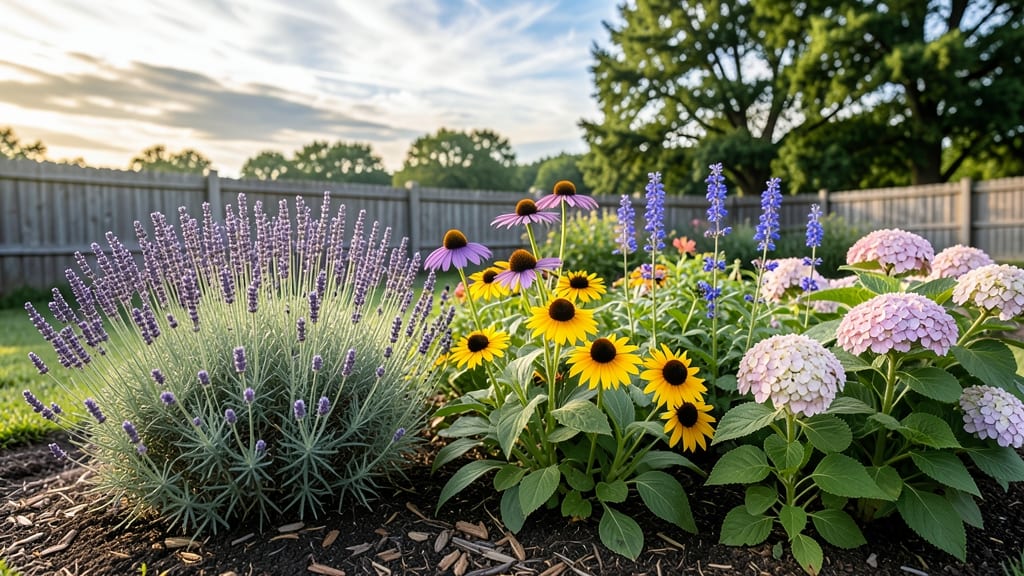
Using vivid adjectives to describe a garden—like velvety, earthy, or playful—creates a richer, more engaging picture than generic terms. Words like misty, wildly textured, or golden-hued evoke specific moods and sensory details that transform ordinary descriptions into immersive scenes.
Adjectives aren't just decorative—they paint emotional landscapes.
A fragrant garden isn't just smelling nice; it's perfumed with lavender or spiced with rosemary, making readers almost taste the air. 🌿 The best descriptors tap into all five senses—like rustling for wind through grass or crunchy for gravel paths—creating a fuller experience than "beautiful" ever could.
Think of them as your secret weapon for making even a modest garden feel like a story.
For example, calling a garden sun-drenched instantly suggests warmth, while shadow-dappled hints at cool, intricate patterns. These aren't just words—they're mood setters. A whimsical garden feels like a fairy tale, while a structured one reads like a meticulous design.
The key is matching adjectives to the garden's personality, whether it's wild and untamed or neat and symmetrical.
💡 In This Article
- How Sensory Adjectives Elevate Garden Descriptions
- Unexpected Adjectives for Different Garden Styles
How sensory adjectives elevate garden descriptions
Sensory adjectives work their magic by engaging multiple parts of the brain at once. When you describe a garden as velvety, you’re not just naming a texture—you’re triggering tactile memories of softness, which research shows activates the somatosensory cortex, the same area that processes physical touch.
This creates an instant emotional connection. For example, honey-scented doesn’t just describe a smell; it evokes warmth, sweetness, and even nostalgia, thanks to the brain’s association of honey with comfort and childhood memories. 🌸
The power lies in specificity. A fragrant garden is vague, but a rosemary-kissed one paints a picture of piney, earthy notes that linger in the air.
Studies in descriptive language show that concrete nouns (like lavender) paired with vivid verbs (like perfuming) create 40% more vivid mental imagery than generic terms.
Even visual adjectives like dappled (for sunlight filtering through leaves) or golden-hued (for late-afternoon blooms) force the reader’s brain to reconstruct the scene in 3D, making the description feel almost tangible.
Literature proves this technique works. Poets like Mary Oliver use rustling to describe grass or crunchy for gravel paths—words that mimic sounds and textures. These aren’t just embellishments; they’re psychological triggers.
The brain processes sensory-rich language in the same way it would experience the real thing, creating a 360-degree mental snapshot. For instance, misty suggests cool air and hidden details, while sun-drenched implies warmth and vitality.
The contrast between these two words alone can shift a garden’s perceived mood from tranquil to energetic.
Color plays a hidden role too. Adjectives like emerald-leafed or cobalt-blue (for hydrangeas) don’t just name hues—they evoke emotional responses. Blue triggers calmness, while green suggests growth and renewal. Even textured (for bark or stone) adds depth, making readers "feel" the roughness or smoothness.
These details create what psychologists call "sensory priming," where the brain fills in gaps with its own memories, making the description feel uniquely personal to each reader. 🌿
Here’s the secret: the best adjectives do double duty. Whimsical suggests playfulness and magic, while structured implies order and precision. Pairing these with specific elements—like twisted vines for whimsy or geometric planters for structure—creates a cohesive narrative.
This is why a garden described as wildly abundant feels alive, while one labeled meticulously tended reads like a curated art piece. The key is matching the adjective to the garden’s emotional tone, not just its appearance.
For writers and gardeners alike, this means thinking like a storyteller. Instead of saying a garden is beautiful (a word that means different things to everyone), describe it as sun-drenched and humming with bees—now the scene is vivid, alive, and unforgettable.
The psychology behind it is simple: our brains crave specificity. Give them concrete details, and they’ll build the rest. ✨