
Fertilization
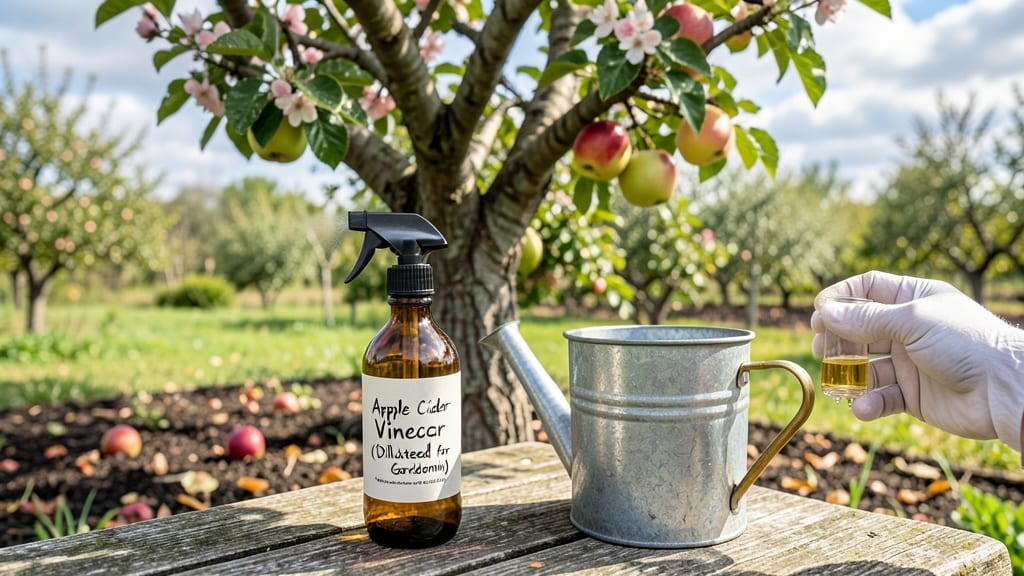
Apple cider vinegar gardening uses diluted vinegar as a natural fertilizer, fungicide, and weed killer thanks to its acetic acid, which adjusts soil acidity and repels pests without synthetic chemicals. Always dilute it properly to prevent plant damage.
Apple cider vinegar's acetic acid acts like a gentle soil pH regulator, making nutrients more accessible to plants—especially acid-loving varieties like blueberries and azaleas. 🌱 When used as a fungicide, its low pH disrupts harmful pathogens like powdery mildew, while its natural acidity mimics the conditions these plants thrive in.
For best results, I recommend starting with a 1:10 dilution ratio (1 part vinegar to 10 parts water) and adjusting based on your plants' needs.
This versatile garden helper isn't just about treating problems—it's also a proactive tool. Regular applications can strengthen plant cell walls, improving disease resistance over time. Just remember that too much can harm your plants, so always monitor soil pH and plant reactions closely.
The key is balance: use it strategically, not as a one-size-fits-all solution.
💡 In This Article
- How Apple Cider Vinegar Boosts Plant Health
- Safe Dosages and Applications for Different Plants
How apple cider vinegar boosts plant health
The magic of apple cider vinegar in gardening lies in its acetic acid content—typically 4-6%—which acts like a natural soil pH regulator. When diluted, it lowers soil alkalinity by releasing hydrogen ions, making nutrients like iron, manganese, and phosphorus more available to plants.
This is especially critical for acid-loving species where soil pH often sits too high (7.0+), locking out essential minerals. For example, blueberries thrive at pH 4.5-5.2, while hydrangeas prefer 5.0-6.0—vinegar helps maintain these ideal ranges without synthetic amendments. 🌿
The fungicidal properties come from acetic acid's ability to disrupt cell membranes in pathogens like powdery mildew and black spot. These fungi prefer neutral to alkaline soils, but vinegar's low pH (2.5-3.5) creates an inhospitable environment.
Studies show a 1:10 dilution (1 part vinegar to 10 parts water) can reduce fungal spores by up to 70% when applied as a foliar spray. The key mechanism? Acetic acid interferes with the fungal enzymes responsible for breaking down plant tissues, essentially starving the infection at the cellular level.
For acid-loving plants, vinegar mimics the natural soil conditions they evolved in. Take blueberries: their roots naturally acidify the soil through organic matter decomposition, creating a 4.0-5.0 pH zone. A weekly 1:20 dilution (sprayed on leaves and soil) can replicate this effect without the risk of over-acidification.
The acetic acid also stimulates root growth by promoting microbial activity—beneficial bacteria thrive in slightly acidic conditions, breaking down organic matter into plant-available nutrients. 🌱
However, the benefits aren't universal. Neutral-soil plants like tomatoes or peppers (pH 6.0-7.0) can suffer from overuse. Vinegar's acidity can cause leaf burn (visible as brown, crispy edges) or disrupt beneficial soil microbes if applied too frequently.
The solution? Always test soil pH before application and use vinegar as a supplemental treatment rather than a primary soil amendment. For most gardeners, a monthly maintenance spray during growing season strikes the right balance.
What most gardeners overlook is vinegar's role in pest deterrence. The strong scent repels soft-bodied insects like aphids and spider mites, which prefer alkaline environments. A 1:5 dilution sprayed directly on infested areas creates a temporary barrier these pests avoid.
The acetic acid also disrupts their feeding patterns by altering the plant's surface chemistry—almost like giving your plants a natural "insect-repellent spray." Just be sure to apply in early morning or late evening to avoid harming beneficial insects like bees. 🐝
To maximize benefits, combine vinegar with other natural amendments. For example, pairing it with compost tea enhances nutrient uptake, while adding a dash of baking soda (for foliar sprays) can neutralize any excess acidity.
The secret is consistency: regular, moderate applications yield the best results without risking plant stress. Think of it as a gentle tune-up for your garden's ecosystem, not a heavy-handed intervention. 💫