
Container Gardens
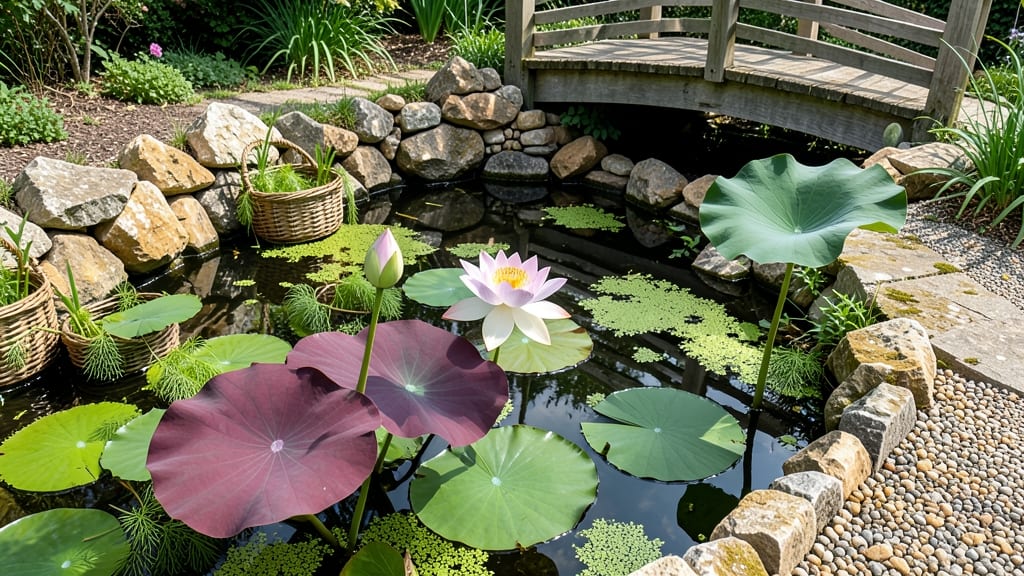
To find aquatic gardens near you, explore nearby botanical gardens, nature preserves, or waterfront parks featuring ponds, streams, or wetlands with aquatic plant collections. Search gardening directories, community forums, or mapping apps to identify options, and always check seasonal bloom schedules and visitor guidelines before your trip.
Aquatic gardens thrive where water meets land—think ponds, marshes, or even decorative water features in public parks. 🌿 These spaces often showcase native plants like water lilies, cattails, and lotus flowers, which not only create stunning visuals but also support local ecosystems by filtering water and providing habitats for wildlife.
Many cities maintain hidden aquatic gardens in botanical centers, where you can observe rare species up close while learning about their conservation roles.
For the best experience, plan your visit during spring or summer when most aquatic plants are in full bloom. Bring a camera and a small notebook to jot down plant names—some gardens offer guided tours or free plant ID sheets.
If you're looking to expand your own garden, many aquatic plant nurseries operate near these gardens, making it easy to bring home a piece of the experience.
💡 In This Article
- What Makes a Garden an Aquatic Plant Haven?
- How to Plan Your Visit to Local Aquatic Gardens
What makes a garden an aquatic plant haven?
Aquatic gardens transform ordinary water bodies into thriving ecosystems by carefully selecting plants that thrive in specific water depths and conditions.
The defining feature is the water source itself—whether it's a calm pond (ideal for water lilies), a slow-moving stream (perfect for horsetail reeds), or a wetland area (home to cattails and pickerelweed). These environments naturally filter pollutants, reduce algae growth, and provide habitats for frogs, dragonflies, and aquatic insects.
Look for gardens featuring floating plants like water hyacinths (which absorb excess nutrients) and submerged species such as anacharis (a favorite of koi ponds).
The plant selection often follows ecological zones: shallow areas for marshy plants like sweet flag, while deeper sections host lotus flowers with their striking 5-8 inch blooms. Many top aquatic gardens also incorporate biofiltration systems where plants like water lettuce clean runoff before it enters natural waterways.
The magic happens in the root systems—oxygenating plants like water celery release bubbles that improve water quality, while oxygen-free species (e.g., water lilies) create shaded microhabitats.
What most visitors don't realize is how these plants work together: the roots trap sediment, while the leaves provide shade that prevents harmful algal blooms. This natural balance is why aquatic gardens often appear crystal clear even in urban settings.
Seasonal changes dramatically alter the garden's appearance. In spring, you'll see emergent plants like arrowhead shooting up through the water, while summer brings vibrant blooms of blue flag iris. Winter often reveals dormant stems and seed heads that provide winter food for birds.
The best aquatic gardens maintain a year-round display by incorporating both native and adaptable species that handle temperature fluctuations.
Consider the water depth gradient—most well-designed aquatic gardens have 3-5 foot depth variations to accommodate different plant types. For example, a 1-2 foot zone might host water forget-me-nots, while 3-4 foot areas support lotus roots.
This layering creates visual depth and maximizes biodiversity. The sensory experience is unmatched: the rustling of cattail leaves, the scent of water mint in the breeze, and the sight of dragonflies skimming the surface.
Ecologically, these gardens serve as miniature wetlands that demonstrate nature's water purification processes. Plants like water hyacinth can remove up to 70% of nitrogen from polluted water, while bulrushes stabilize shorelines. The best aquatic gardens often include interpretive signs explaining these processes, making them both beautiful and educational spaces.