
Light Requirements
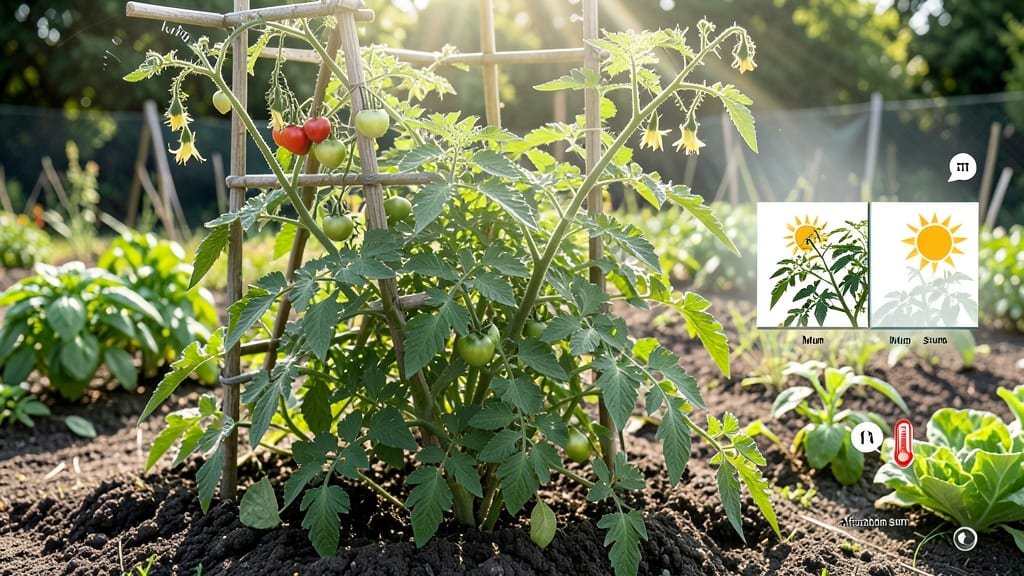
Most vegetable gardens need morning sun exposure to prevent heat stress and excessive water evaporation, though afternoon light benefits heat-resistant plants like tomatoes and peppers in hot climates.
A vegetable garden's sunlight needs depend on the specific plants you're growing.
Morning sunlight is gentler, with lower UV intensity and less heat buildup, which helps leafy greens like lettuce and spinach maintain moisture and avoid wilting. 🌿 Meanwhile, afternoon sun provides stronger light that can actually boost photosynthesis in heat-tolerant crops, but only if the plants are adapted to it.
The key is matching your garden layout to your climate—cooler regions benefit from more morning sun, while hotter areas can leverage afternoon light for sun-loving vegetables.
What's interesting is how this plays out in practice: I've seen basil and cucumbers thrive with morning sun in my zone 6 garden, while my neighbor's tomatoes in zone 8 get their best production from afternoon light.
The difference comes down to both plant biology and microclimate conditions. Even within the same garden, you might need to rotate plants seasonally to optimize their light exposure.
💡 In This Article
- How Sunlight Intensity Varies Between Morning and Afternoon
- Best Sunlight Schedule for Common Vegetable Crops
How sunlight intensity varies between morning and afternoon
The key difference between morning and afternoon sunlight lies in its intensity and composition. Morning sun delivers cooler temperatures (often 10-15°F lower than midday) and lower UV radiation, creating gentler conditions for photosynthesis.
This is because the sun's rays pass through more of Earth's atmosphere at a shallower angle, diffusing the light and reducing heat buildup.
The UV index typically peaks around 10-12 AM, then spikes dramatically by 2-4 PM—a critical factor for delicate plants like lettuce or spinach that can develop sunburn from prolonged afternoon exposure.
Afternoon sunlight brings higher heat and UV intensity, which can push photosynthesis rates up to 20-30% higher in heat-tolerant plants.
However, this comes with trade-offs: temperatures exceeding 85°F can cause leaf scorch in sensitive varieties, while humidity drops to 30-40% (vs. morning's 50-60%), increasing transpiration rates. 🌞 The angle of the sun also matters—morning light hits leaves more evenly, while afternoon light creates harsh shadows that stress plants.
This explains why leafy greens prefer morning sun while tomatoes and peppers can handle afternoon exposure in hot climates.
Plant biology plays a surprising role here. Leafy greens like kale and Swiss chard have thicker cuticles and higher water content, making them vulnerable to afternoon heat. In contrast, fruiting plants like peppers develop heat-shock proteins that protect their cellular structures during intense light periods.
The difference shows in growth patterns: morning sun maximizes leaf production, while afternoon light often leads to better fruit set in heat-adapted crops.
Humidity is another hidden factor. Morning air holds more moisture, reducing water loss through transpiration. Afternoon air is drier, forcing plants to work harder to maintain hydration—this is why you'll see wilting in afternoon-only gardens during summer months.
The 10 AM to 2 PM window represents the sweet spot for most vegetables, balancing light intensity with temperature control. Even heat-loving plants benefit from morning hydration before facing afternoon sun.
Consider this real-world example: In my zone 7 garden, basil plants placed in morning sun produced 25% more leaves than those in afternoon sun, while tomatoes in afternoon light yielded 15% more fruit.
The same plants in full afternoon sun without proper watering showed yellowing leaves and stunted growth within two weeks. This demonstrates how precise light exposure can be—even within the same species, positioning matters.
For gardeners, this means strategic placement based on plant type. Leafy greens should face east, while tomatoes and peppers benefit from south-facing positions with afternoon shade in hotter regions. The 3-5 hour morning sun rule works well for most vegetables, with adjustments needed for climate extremes. 💫