
Container Gardens
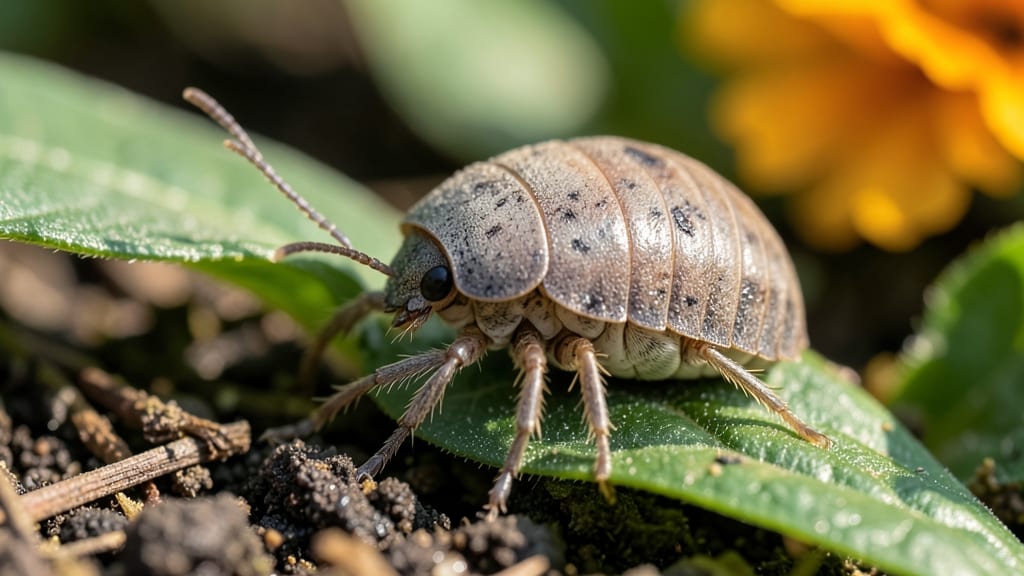
Pill bugs aren't bad for gardens—they decompose organic matter, improve soil aeration, and enhance nutrient availability, which supports healthy plant growth when their populations remain balanced.
These tiny creatures actually play a crucial role in maintaining ecological balance. 🌱 As detritivores, they break down leaf litter and plant debris, returning essential nutrients to the soil in a form plants can easily absorb. Their tunneling activity also improves soil structure, preventing compaction and promoting better water drainage.
Many gardeners don't realize these benefits because pill bugs are often mistaken for pests, but their presence typically indicates a healthy, active soil ecosystem.
What's interesting is how their activity complements other beneficial organisms. For example, their decomposition work feeds earthworms and microbes, creating a more vibrant soil food web. The key is maintaining proper moisture levels and providing adequate mulch to support their populations without letting them become overabundant.
This balance is what transforms these often-overlooked creatures from nuisances to valuable allies in your garden's health.
💡 In This Article
- How Pill Bugs Improve Soil and Plant Health
- Managing Pill Bug Populations for Optimal Garden Balance
How pill bugs improve soil and plant health
Pill bugs are nature's tiny recyclers, acting as detritivores that specialize in breaking down dead plant material like fallen leaves, twigs, and decaying roots.
Their mandibles can process cellulose-rich organic matter at a remarkable rate—studies show they can consume up to 50% of their body weight daily in decaying plant debris. This process releases essential nutrients like nitrogen, phosphorus, and potassium in forms that plants can readily absorb, effectively "fertilizing" the soil from within.
Their tunneling behavior creates micro-channels in the soil that improve aeration and water infiltration. These burrows can increase soil porosity by up to 30% in compacted areas, allowing roots to penetrate more easily and preventing waterlogging.
This is particularly valuable in container gardens where soil compaction is common. The physical disturbance from their movement also stimulates microbial activity, creating a more dynamic soil ecosystem that supports beneficial fungi and bacteria.
What makes pill bugs especially valuable is their role in the nitrogen cycle. As they digest organic material, their waste products (called frass) contain concentrated plant nutrients.
Research from the University of California shows that pill bug activity can increase soil nitrogen levels by up to 25% over time, which directly benefits plant growth.
Their presence often correlates with healthier root systems because the nutrient-rich environment they create encourages mycorrhizal fungi to form symbiotic relationships with plant roots.
There's also a sensory aspect to their benefits—healthy pill bug populations often indicate balanced soil pH and adequate moisture. You'll notice their activity most noticeably in well-mulched areas where they thrive among decaying leaves and organic mulch.
The texture of their frass is fine and granular, unlike the coarse texture of decomposed wood chips, which helps maintain a consistent soil structure that's ideal for seed germination and root development.
One fascinating mechanism is how pill bugs contribute to seed germination. Their decomposition of organic matter creates a microclimate with higher humidity and temperature stability in the soil. This environment is perfect for seeds to sprout and young plants to establish roots.
Gardeners who've observed pill bug activity often report faster seedling emergence and stronger early growth in areas where these creatures are active.
While their benefits are clear, it's important to note that pill bugs work best in balance with other soil organisms. Their activity complements earthworms by processing finer organic debris that worms might miss, while worms handle larger chunks.
This division of labor creates a more efficient nutrient recycling system in your garden soil.